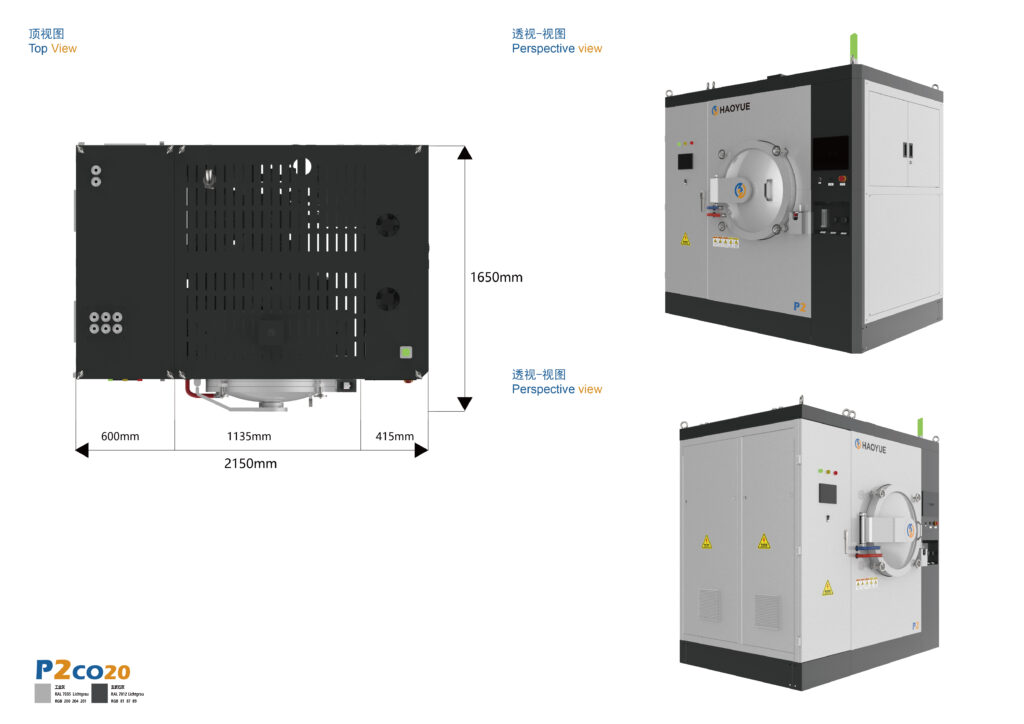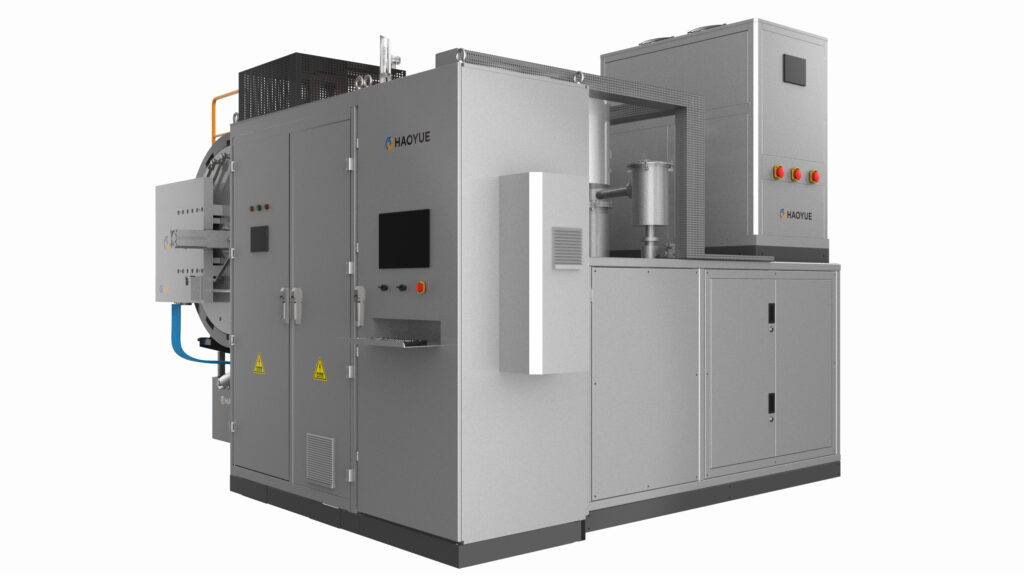






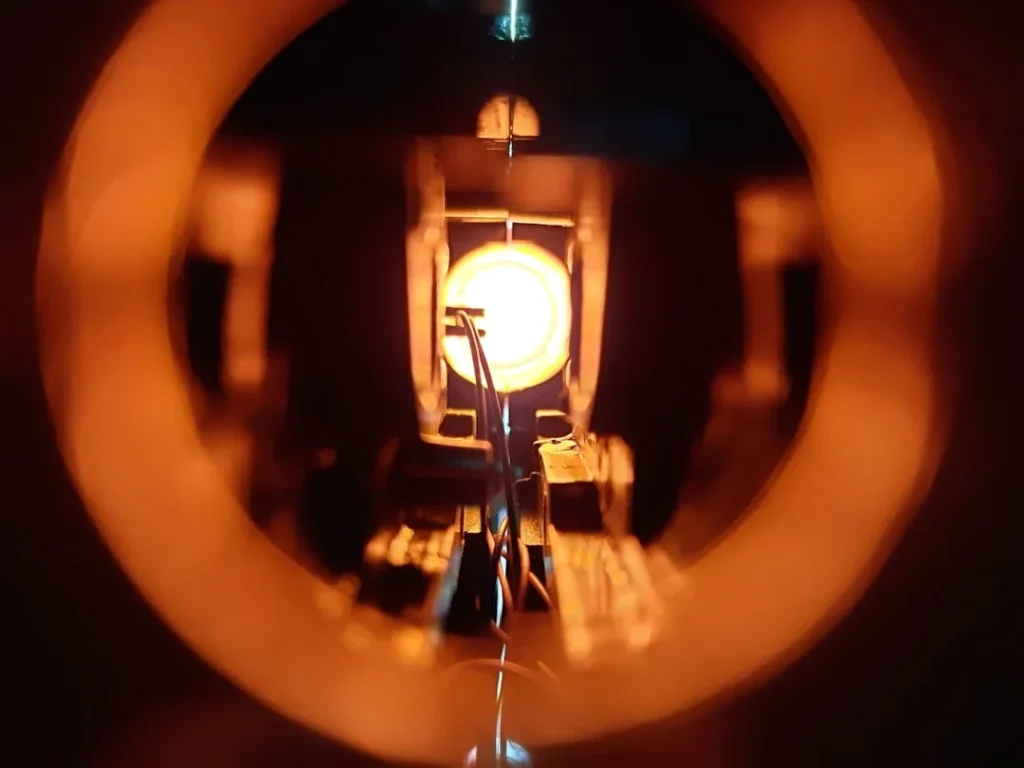
As modern engineering continues to push the boundaries of material science, selecting the right thermal processing equipment has become a critical decision for high-tech manufacturers. Partnering with an experienced vacuum furnace manufacturer or a specialized vacuum sintering furnace manufacturer is essential for achieving precise metallurgical, physical, and chemical properties in advanced materials. From aerospace alloys to medical ceramics, the performance of the final product depends entirely on the precision of the thermal cycle and the purity of the processing environment.
Sintering Technologies & Equipment Comparisons
When evaluating advanced consolidation methods, materials engineers must analyze SPS vs hot pressing to determine the optimal route for rapid densification. An industry-leading SPS furnace manufacturer provides systems that utilize pulsed direct current to achieve rapid heating rates and consolidation in minutes, whereas a traditional hot pressing furnace manufacturer offers classical uniaxial pressure-assisted sintering for larger, uniform components. For extreme densification requirements where zero internal porosity is non-negotiable, consulting a HIP manufacturer to implement Hot Isostatic Pressing is standard practice.
Understanding the differences between HIP vs vacuum sintering is vital; while vacuum sintering is highly cost-effective for high-volume batch production, HIP eliminates closed porosity completely under high gas pressure. In some cases, a gas pressure sintering furnace offers a middle ground, balancing vacuum sintering vs pressure sintering parameters to prevent thermal decomposition of advanced nitrides, silicon-based ceramics, and other volatile compounds at ultra-high temperatures.
Advanced Sintering Processes & Material Applications
The choice of thermal processing equipment is heavily dictated by the specific material and its corresponding vacuum sintering process. For instance, high-performance technical ceramics require precise temperature and atmosphere controls, such as those found in silicon carbide sintering, the zirconia sintering process, and the alumina sintering process. For refractory metals and hardmetals, specialized configurations are required for tungsten carbide sintering and molybdenum sintering to achieve maximum hardness and wear resistance.
In these applications, using a vacuum hydrogen furnace can facilitate oxide reduction and ensure high-purity microstructures. These specialized technologies are extensively deployed across various industries, utilizing a carbide tool sintering furnace for industrial cutting tools, a medical implant sintering furnace for load-bearing orthopedic joints, and a dental implant vacuum furnace for high-translucency zirconia crowns.
Heat Treatment, Brazing, and Chamber Selection
Beyond sintering, post-processing and joining demand highly sophisticated thermal environments. Working with a dedicated vacuum heat treatment furnace manufacturer allows facilities to implement precise thermal cycles, including the vacuum annealing process to relieve internal stresses, and the vacuum hardening process to optimize mechanical strength and wear resistance. For structural materials requiring extreme reliability, such as in titanium alloy heat treatment, maintaining an ultra-clean vacuum is paramount to avoid interstitial gas contamination.
Similarly, joining critical metal and ceramic assemblies relies on a vacuum brazing furnace manufacturer to supply systems that execute the vacuum brazing process. When comparing vacuum brazing vs conventional brazing, the vacuum environment eliminates the need for corrosive fluxes and prevents oxidation, yielding pristine, high-strength joint interfaces. Selecting the correct hot zone configuration is also crucial; comparing a vacuum furnace vs atmosphere furnace highlights the superior purity of vacuum systems, while evaluating a graphite furnace vs molybdenum furnace helps engineers balance maximum operating temperatures against potential carbon contamination risks in sensitive alloys.
Industry-Specific Thermal Processing Solutions
High-tech sectors demand specialized thermal processing configurations designed for strict regulatory compliance. The aerospace sector relies heavily on an aerospace vacuum furnace and an aerospace heat treatment furnace to meet AMS2750 standards for critical engine turbine blades and structural components. Meanwhile, the electronics sector utilizes a semiconductor vacuum furnace for wafer processing, thin-film deposition, and crystal growth, while the energy sector depends on a battery material sintering furnace to synthesize high-capacity anode and cathode powders under strictly controlled atmospheres.
Ultimately, selecting the right equipment and configuration requires a deep understanding of thermal dynamics, material behavior, and system engineering. By partnering with an industry-leading thermal processing expert, manufacturing facilities can ensure consistent quality, high throughput, and long-term operational reliability.