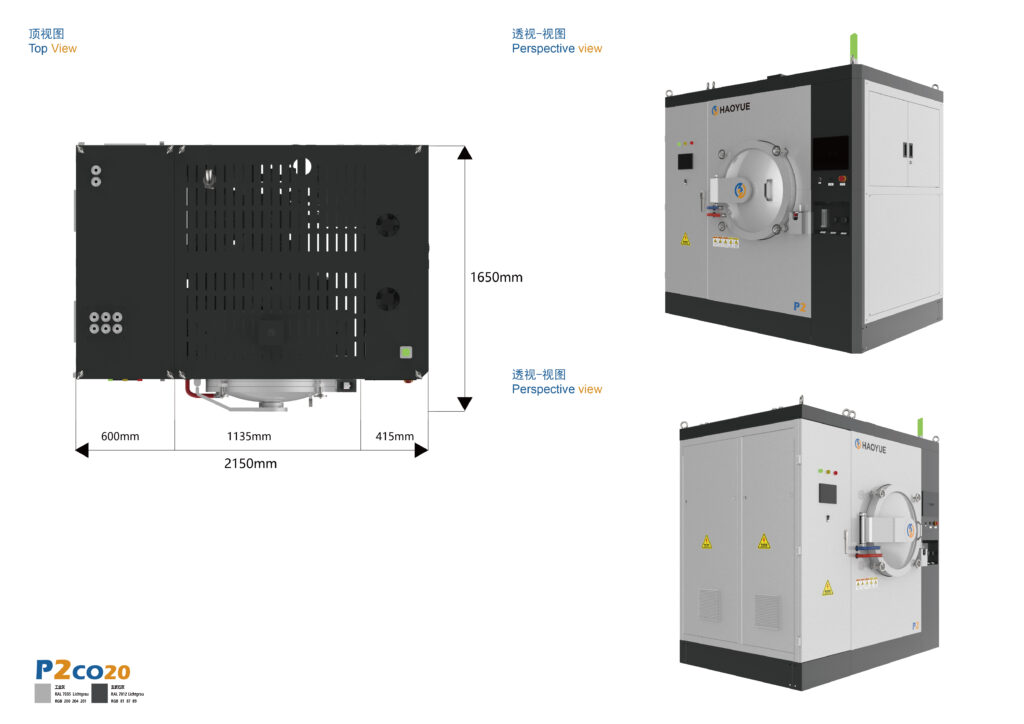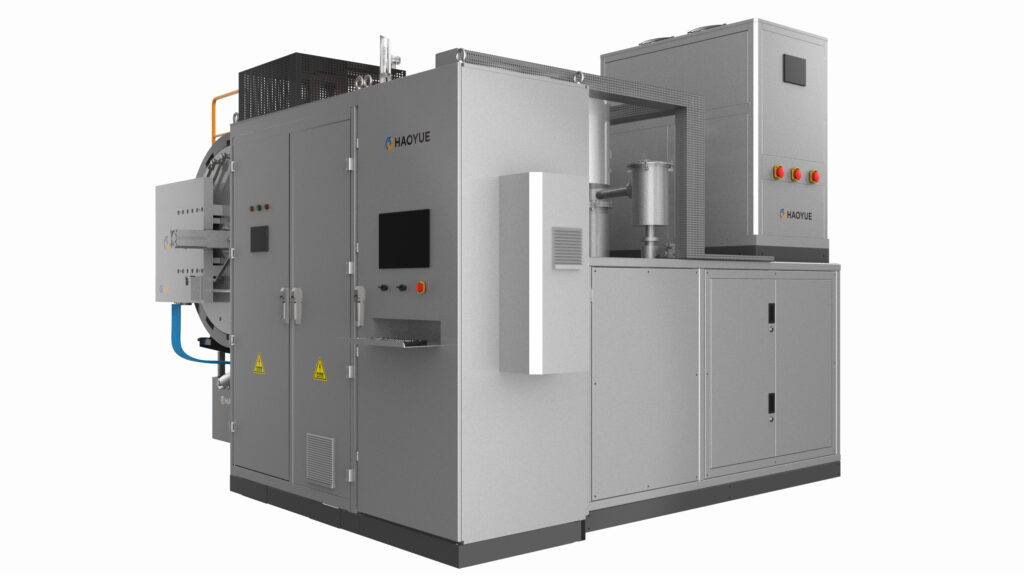






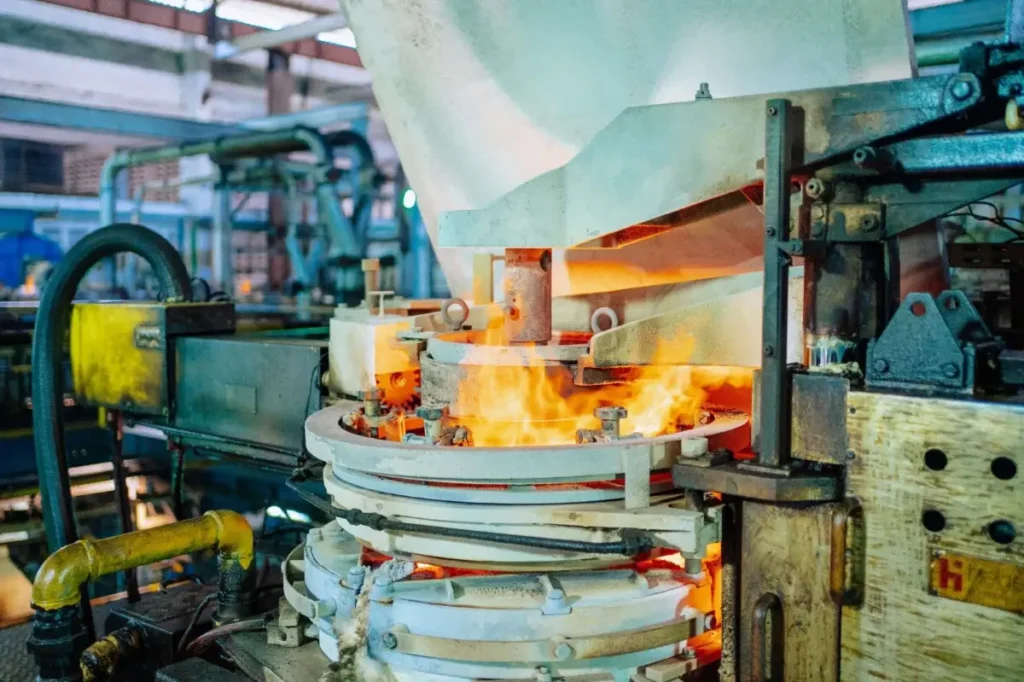
In modern industrial manufacturing, achieving superior material properties requires precise control over thermal environments. When selecting thermal processing equipment, engineers must evaluate the fundamental operational differences of a vacuum furnace vs atmosphere furnace. While atmosphere furnaces introduce specific protective gases, a vacuum environment completely eliminates atmospheric contaminants, making it the gold standard for high-performance metallurgy. Partnering with an established vacuum furnace manufacturer allows industrial buyers to customize thermal profiles to meet exact metallurgical standards.
Advanced Sintering Technologies and Equipment Selection
Sintering is a critical phase in producing high-strength ceramics and powder metals. For advanced structural ceramics, achieving full theoretical density requires specialized thermal cycles. For instance, high-temperature operations like silicon carbide sintering, the precise thermal control of the alumina sintering process, and the biocompatibility-driven zirconia sintering process all demand extremely stable heating environments. Similarly, powder metallurgy applications such as heavy-duty tungsten carbide sintering and high-melting-point molybdenum sintering depend heavily on uniform heat distribution to prevent microstructural defects.
To achieve these properties, manufacturing facilities must choose the appropriate equipment configuration. When comparing sintering methodologies, engineers often evaluate SPS vs hot pressing. Spark Plasma Sintering (SPS) offers rapid heating rates and shorter cycle times, and consulting a specialized SPS furnace manufacturer can help determine if this technology fits your production line. On the other hand, working with a hot pressing furnace manufacturer provides solutions for uniaxial pressure application at elevated temperatures, ideal for large-scale structural parts.
Furthermore, assessing vacuum sintering vs pressure sintering is essential when working with materials prone to thermal decomposition. Implementing a gas pressure sintering furnace allows for overpressure sintering, which suppresses volatilization. For critical, zero-defect components, comparing HIP vs vacuum sintering (Hot Isostatic Pressing) is necessary; a leading HIP manufacturer can deliver systems that eliminate internal voids and micro-porosity through simultaneous high pressure and temperature, surpassing the density limits of the standard vacuum sintering process.
Precision Heat Treatment and Surface Engineering
Beyond sintering, precise thermal cycles dictate the mechanical characteristics of engineered components. The vacuum annealing process relieves internal stresses in cold-worked metals without causing surface oxidation or decarburization. For high-strength structural parts, achieving high wear resistance and core toughness via the vacuum hardening process is paramount. This is particularly vital in aerospace applications, where components must withstand extreme environments. Sourcing an aerospace vacuum furnace or a dedicated aerospace heat treatment furnace ensures compliance with strict AMS2750 standards, especially during complex procedures like titanium alloy heat treatment.
Specialized fields require dedicated equipment. For example, the medical sector relies on the precision of a medical implant sintering furnace to produce biocompatible joint replacements, while orthodontic labs utilize the compact footprint of a dental implant vacuum furnace. For advanced energy storage, the high throughput of a battery material sintering furnace is necessary to process cathode and anode powders. Additionally, toolmakers rely on the robust reliability of a carbide tool sintering furnace to produce high-durability cutting inserts. For specialized reduction, decarburization, or bright annealing, utilizing a vacuum hydrogen furnace provides a highly controlled reducing atmosphere.
High-Performance Joining and Semiconductor Applications
Industrial assemblies often require joining dissimilar materials with high joint integrity. Comparing vacuum brazing vs conventional brazing highlights the clear benefits of the vacuum method: it eliminates the need for corrosive flux, prevents oxidation, and produces clean, bright joints with minimal distortion. Optimizing the vacuum brazing process requires specialized equipment, and sourcing from a dedicated vacuum brazing furnace manufacturer guarantees the thermal uniformity needed for complex multi-channel heat exchangers. For broader thermal processing needs, collaborating with a comprehensive vacuum heat treatment furnace manufacturer is essential to design multi-purpose lines.
In the microelectronics industry, cleanliness and precision are non-negotiable. The integration of a semiconductor vacuum furnace in cleanrooms allows for precise wafer annealing, oxidation, and contact alloying. Whether you are looking for a high-purity semiconductor vacuum furnace or high-capacity industrial systems, choosing the correct heating element technology is vital. This often involves choosing between a graphite furnace vs molybdenum furnace configuration; graphite zones offer cost-effective, robust performance for high-temperature carbon-tolerant processes, whereas molybdenum zones provide an ultra-clean, metal-shielded environment essential for semiconductor and medical applications.