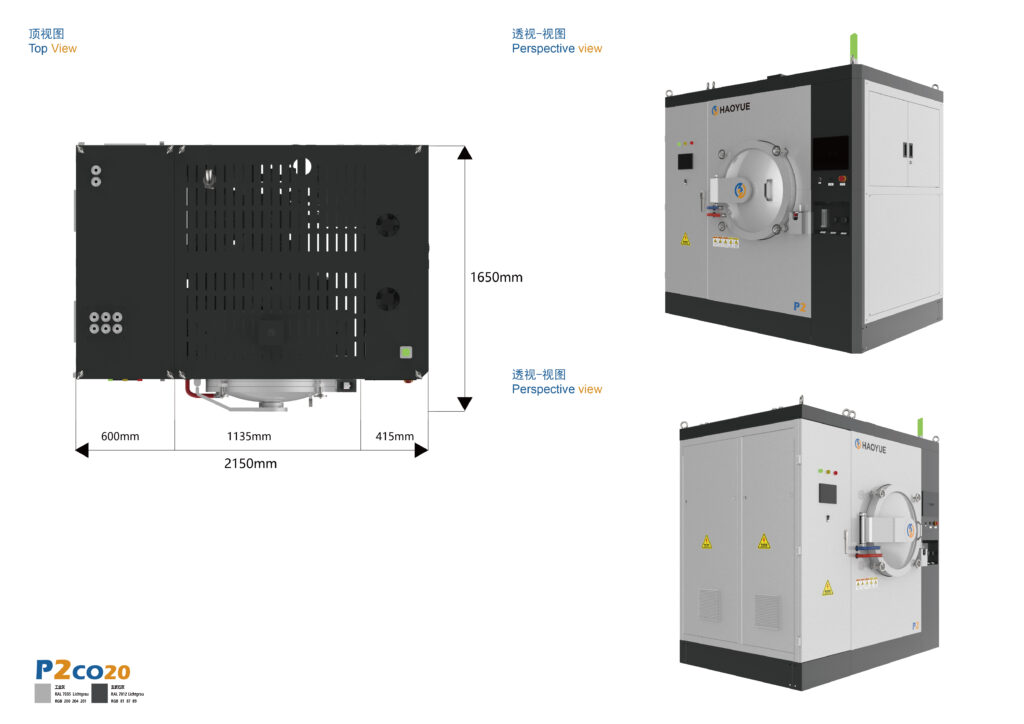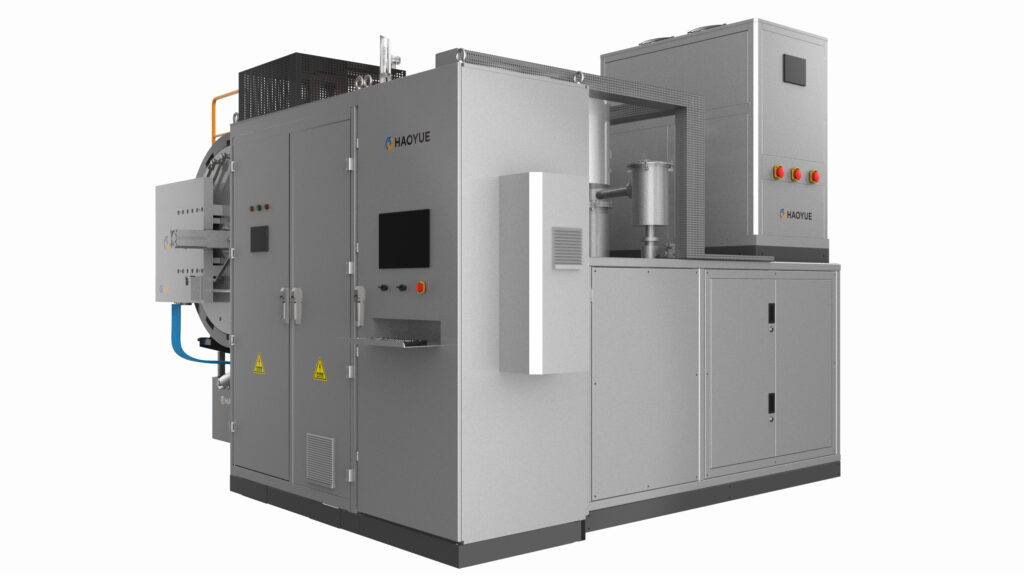






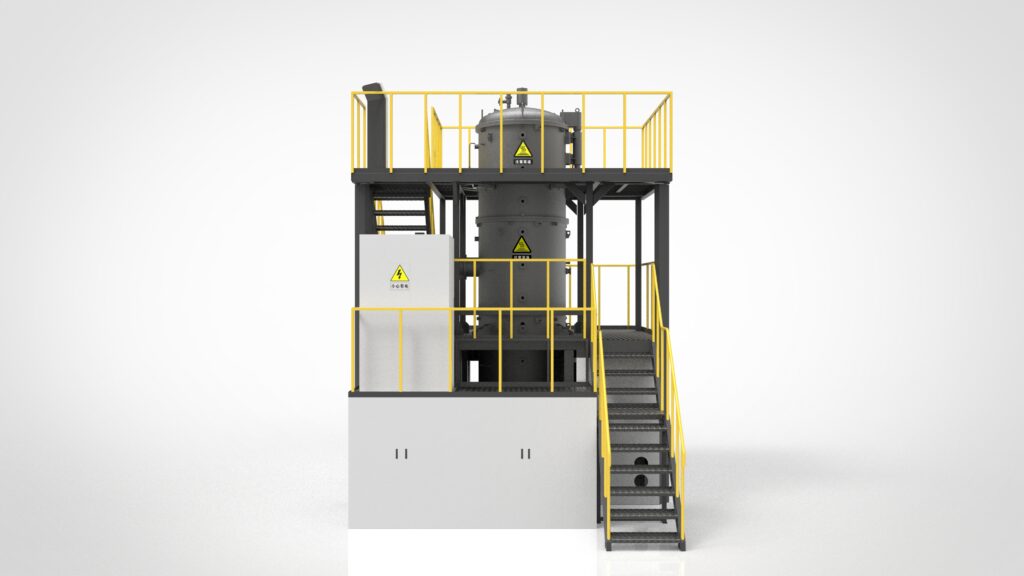
In the realm of industrial manufacturing, achieving consistent part quality and avoiding issues such as oxidation and contamination is paramount. For industries like aerospace and medical devices, where compliance with Nadcap, ISO, and FDA standards is non-negotiable, these challenges are even more pressing. Amidst these concerns, vacuum sintering furnaces have emerged as a crucial component in ensuring high-quality production and efficiency in vacuum heat treatment processes.
Why Vacuum Sintering Furnaces Are Critical for High-Precision MIM Parts
Vacuum sintering furnaces offer unparalleled control over the sintering environment, which is essential for manufacturing high-precision Metal Injection Molding (MIM) parts. By maintaining a controlled atmosphere, these furnaces prevent oxidation and contamination that can compromise part integrity. Vacuum levels reaching up to 10⁻⁶ mbar ensure minimal gas presence, crucial for achieving the desired material properties.
Industries such as aerospace and medical devices benefit greatly from this technology. The vacuum environment allows for consistent temperature uniformity, often within ±1°C, which is critical for meeting stringent quality standards. This precision in process control ensures repeatability and reliability in batch production, enhancing overall product quality and yield rates.
Key Features to Look for in a Hydrogen Molybdenum Furnace
When selecting a hydrogen molybdenum furnace, industrial buyers should prioritize features that enhance performance and efficiency. Key specifications include high-temperature capabilities and advanced safety features. High-temperature sintering equipment should offer robust temperature control, essential for processes such as vacuum brazing and diffusion bonding.
In applications involving powder metallurgy, these furnaces enable high-precision joining processes by providing stable and controlled heating environments. The use of hydrogen atmospheres reduces oxidation risk while improving the mechanical properties of sintered parts, making these furnaces indispensable for quality-sensitive industries.
Meeting Industry Standards with Vacuum Technology
Compliance with industry standards like Nadcap and ISO is a critical consideration for manufacturers. Vacuum furnace technology supports adherence to these standards by offering process stability and repeatable accuracy. In aerospace applications, where AMS specifications are common, vacuum heat treatment ensures components meet rigorous quality requirements.
For medical device manufacturers, compliance with FDA and ISO 13485 standards demands precise and contamination-free production environments. Vacuum technology provides the controlled atmospheres necessary to meet these stringent regulatory demands, facilitating production that is both efficient and compliant.
Improving Production Efficiency and Cost Effectiveness
Vacuum technology not only enhances product quality but also improves cost efficiency. By reducing material waste and energy consumption, manufacturers can achieve significant savings. Automated systems within modern vacuum furnaces allow for consistent batch processing, further increasing throughput and reducing labor costs.
For industries looking to optimize their production processes, investing in vacuum technology provides a dual benefit of higher quality outputs and reduced operational costs. The ability to maintain precise control over the sintering process minimizes defects and ensures that each production cycle meets the expected standards.
For custom sintering solutions tailored to your production needs, reach out to our engineering team to discuss your project requirements.
Related Products & Services
- Vacuum Sintering Furnace – Advanced sintering solutions from HaoYue Group.
- Vacuum Brazing Process Guide
- Vacuum Heat Treatment Process Guide
Looking for high-quality vacuum furnace solutions? Contact HaoYue Group for more information.
Related Products & Services
- Vacuum Sintering Furnace – Advanced sintering solutions from HaoYue Group.
- Vacuum Brazing Process Guide
- Vacuum Heat Treatment Process Guide
Looking for high-quality vacuum furnace solutions? Contact HaoYue Group for more information.
Frequently Asked Questions
How does vacuum sintering prevent oxidation and contamination in manufacturing?
Vacuum sintering furnaces maintain a controlled atmosphere with vacuum levels reaching up to 10⁻⁶ mbar, which significantly reduces the presence of gases that can cause oxidation and contamination. This controlled environment ensures the integrity of high-precision parts by preventing unwanted chemical reactions during the sintering process.
Why is temperature uniformity important in vacuum sintering furnaces?
Temperature uniformity, often within ±1°C, is critical in vacuum sintering furnaces to ensure consistent material properties and adherence to stringent quality standards. This precision is vital for industries like aerospace and medical devices, where even slight variations can affect the reliability and performance of the final product.
What are the advantages of using a hydrogen molybdenum furnace in powder metallurgy?
Hydrogen molybdenum furnaces offer stable and controlled heating environments that are essential for high-precision joining processes like vacuum brazing and diffusion bonding. The hydrogen atmosphere reduces oxidation risk and enhances the mechanical properties of sintered parts, making the furnace ideal for quality-sensitive applications.
How does vacuum technology help in meeting industry standards like Nadcap and ISO?
Vacuum technology provides a stable and repeatable process environment, which is crucial for complying with standards such as Nadcap and ISO. In aerospace and medical device manufacturing, these technologies ensure components meet rigorous quality and regulatory requirements by maintaining precise process control and contamination-free settings.
What cost benefits does vacuum technology offer to manufacturers?
Vacuum technology reduces material waste and energy consumption, leading to significant cost savings. Automated systems in modern vacuum furnaces enhance throughput and lower labor costs by allowing consistent batch processing. This efficiency, combined with reduced defects, results in higher quality outputs and optimized production costs.
Why should manufacturers consider custom sintering solutions?
Custom sintering solutions are tailored to specific production needs, allowing manufacturers to optimize their processes for unique material properties and production requirements. By consulting with an engineering team, manufacturers can design sintering solutions that enhance efficiency and product quality, ensuring that production cycles meet industry standards and operational goals.