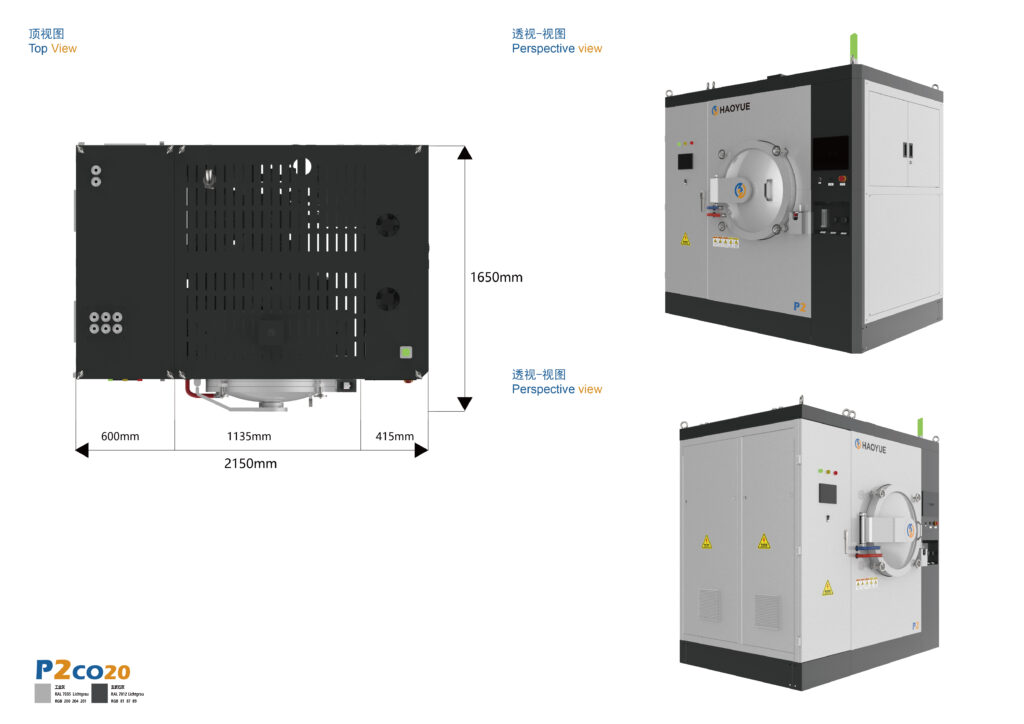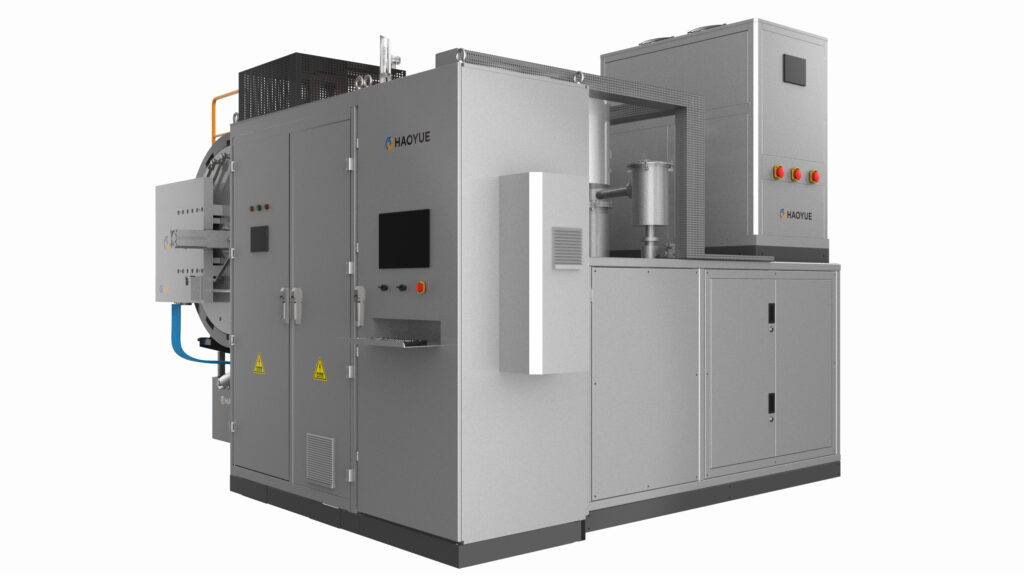






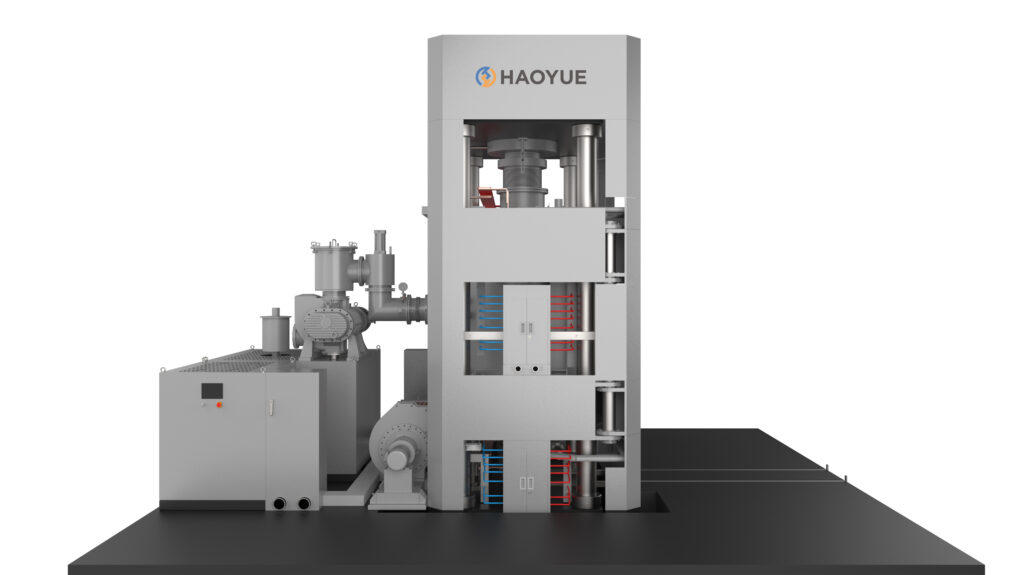
In the demanding fields of aerospace and medical device manufacturing, achieving high-precision joining is crucial. Inconsistent part quality and contamination risks threaten compliance with rigorous standards like Nadcap and ISO 13485. Vacuum sintering furnaces present a solution by providing controlled environments that ensure optimal material properties and product integrity.
Why Vacuum Sintering Furnaces Are Essential for High-Precision MIM Parts
Vacuum sintering furnaces are vital in Metal Injection Molding (MIM) processes, particularly for producing components with complex geometries. By maintaining a vacuum environment, these furnaces prevent oxidation and contamination, leading to higher density and better mechanical properties. This is essential for industries where every component must meet exact specifications.
Industrial Applications
In the aerospace sector, vacuum sintering ensures the reliability of critical parts, while in the medical field, it helps in manufacturing biocompatible devices. This technology ensures that products not only meet but exceed industry standards, providing safety and efficiency.
Key Features to Look for in a Hydrogen Molybdenum Furnace
Hydrogen molybdenum furnaces are designed for high-temperature sintering with a focus on material purity and energy efficiency. Key features include:
- Temperature uniformity of ±1°C
- Vacuum levels reaching up to 10⁻⁶ mbar
- Automated cycle repeatability for batch consistency
Technical Specifications
These furnaces employ advanced heating elements and precise temperature control, making them ideal for sintering applications in powder metallurgy, where consistency and material integrity are paramount.
Vacuum Technology in High-Precision Joining
Vacuum brazing and diffusion bonding are two techniques that leverage vacuum technology for high-precision joining. These processes are critical in producing components that require tight tolerances and robust mechanical properties.
Addressing Production Challenges
Challenges such as thermal distortion and incomplete bonding are mitigated with vacuum technology, which ensures uniform heat distribution and prevents oxidation. This results in improved product quality and higher yield rates.
Compliance with Industry Standards
Meeting industry standards is non-negotiable in sectors like aerospace and medical. Vacuum furnace solutions align with Nadcap, AMS, and FDA requirements, ensuring that your products are not only compliant but also optimized for performance.
Modern vacuum furnace technology addresses these challenges by enhancing process stability, improving product quality, and ensuring cost efficiency. For custom sintering solutions tailored to your production needs, reach out to our engineering team to discuss your project requirements.
Related Products & Services
- Vacuum Sintering Furnace – Advanced sintering solutions from HaoYue Group.
- Vacuum Brazing Process Guide
- Vacuum Sintering Furnace for powder metallurgy
Looking for high-quality vacuum furnace solutions? Contact HaoYue Group for more information.
Related Products & Services
- Vacuum Sintering Furnace – Advanced sintering solutions from HaoYue Group.
- Vacuum Brazing Process Guide
- Vacuum Sintering Furnace for powder metallurgy
Looking for high-quality vacuum furnace solutions? Contact HaoYue Group for more information.
Frequently Asked Questions
What makes vacuum sintering furnaces indispensable in aerospace and medical device manufacturing?
Vacuum sintering furnaces are crucial because they provide a controlled environment that prevents oxidation and contamination. This ensures higher density and better mechanical properties, which are essential for meeting the rigorous standards in aerospace and medical device manufacturing.
How do vacuum sintering furnaces contribute to the quality of MIM parts?
They maintain a vacuum environment during the Metal Injection Molding process, preventing oxidation and contamination. This results in components with complex geometries that have higher density and improved mechanical properties, meeting exact specifications required in demanding industries.
What features should I look for in a hydrogen molybdenum furnace for high-precision applications?
Key features include temperature uniformity of ±1°C, vacuum levels reaching up to 10⁻⁶ mbar, and automated cycle repeatability. These features ensure material purity, energy efficiency, and consistency, which are crucial for high-temperature sintering applications.
How does vacuum technology improve high-precision joining processes?
Vacuum technology is used in vacuum brazing and diffusion bonding to ensure uniform heat distribution and prevent oxidation. This mitigates challenges like thermal distortion and incomplete bonding, leading to improved product quality and higher yield rates.
Why is compliance with industry standards critical in vacuum furnace applications?
Compliance ensures that products meet the rigorous requirements of sectors like aerospace and medical. Vacuum furnace solutions align with standards such as Nadcap, AMS, and FDA, guaranteeing that products are not only compliant but optimized for performance and safety.
How can modern vacuum furnace technology enhance production efficiency?
Modern vacuum furnace technology improves process stability and product quality while ensuring cost efficiency. It addresses production challenges by providing consistent heat distribution and preventing material defects, leading to higher yield rates and optimized performance.