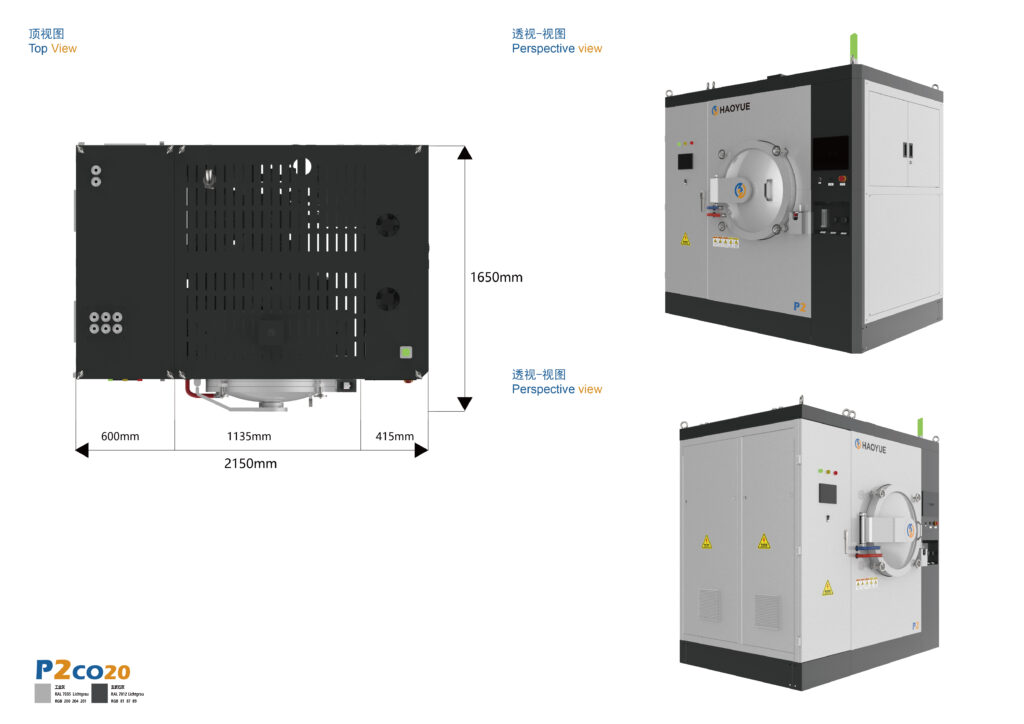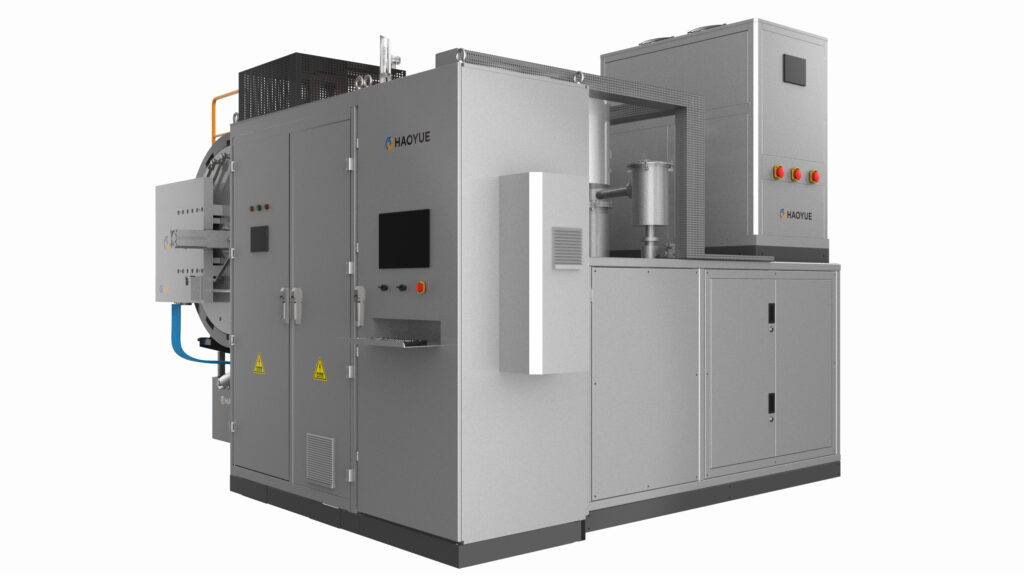






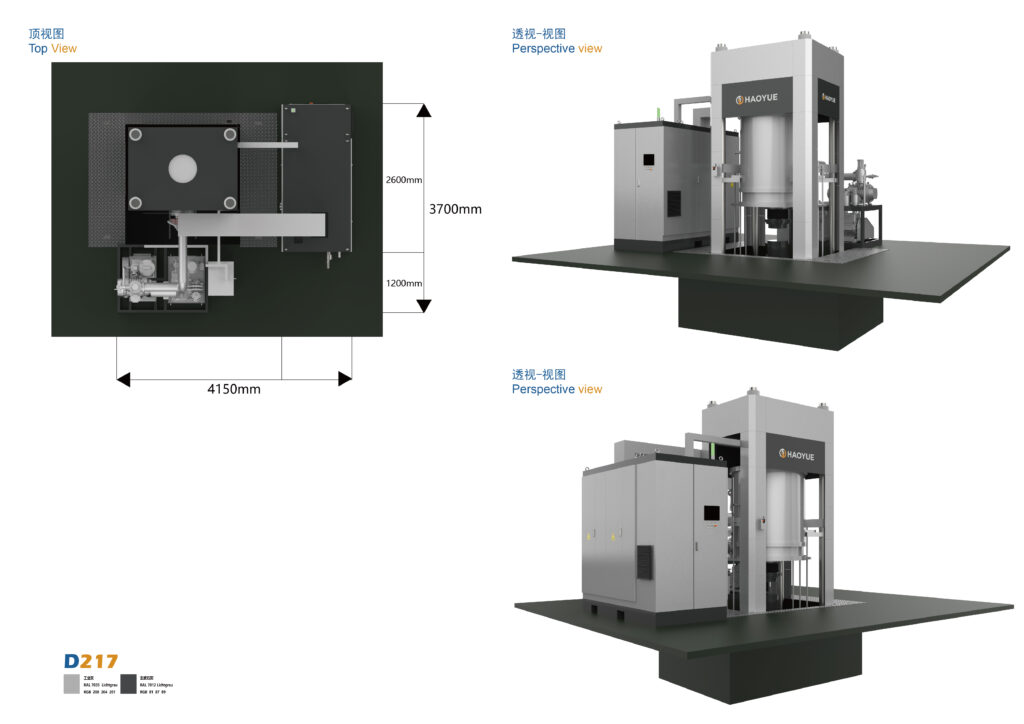
In the world of high-precision manufacturing, oxidation and inconsistent part quality are formidable challenges that can derail production schedules and increase costs. Industrial buyers, particularly those in sectors like aerospace, medical devices, and powder metallurgy, understand the critical importance of achieving high-quality joints without compromising material integrity. Vacuum sintering furnaces offer a solution to these issues by providing controlled atmospheres essential for high-temperature joining processes.
Why Vacuum Sintering Furnaces Are Critical for High-Precision MIM Parts
Vacuum sintering furnaces are essential in manufacturing high-precision Metal Injection Molding (MIM) parts, where temperature uniformity and oxidation prevention are paramount. By maintaining a vacuum environment, these furnaces prevent oxidation and contamination, ensuring that sintering processes yield consistent, high-quality results. This is crucial for industries demanding tight tolerances and superior mechanical properties.
Applications in Aerospace and Medical Sectors
Aerospace components require adherence to Nadcap standards for consistency and reliability. Similarly, medical devices must meet ISO 13485 specifications. Vacuum sintering furnaces provide the precise temperature control and vacuum levels necessary to meet these stringent requirements, resulting in parts that meet both performance and regulatory standards.
Key Features to Look for in a Hydrogen Molybdenum Furnace
When selecting a hydrogen molybdenum furnace, industrial buyers should focus on specific features that enhance performance and compliance. High-temperature sintering equipment should offer:
- Temperature uniformity of ±1°C to ensure consistent sintering across all parts
- Vacuum levels reaching up to 10⁻⁶ mbar to eliminate oxidation risks
- Repeatable and automated cycle consistency for batch reliability
- Energy-efficient designs to reduce operational costs
Real-World Industrial Use Cases
In powder metallurgy sintering, achieving perfect diffusion bonding is imperative for producing complex geometries with high strength. Industries such as automotive and precision manufacturing rely on high-temperature molybdenum furnaces to meet these requirements while ensuring cost-effective production.
Technical Considerations for Vacuum Heat Treatment and Diffusion Bonding
For vacuum heat treatment processes, maintaining consistent vacuum levels is critical to preventing contamination and achieving desired material properties. These processes, integral to diffusion bonding, require precise control over temperature and atmosphere to ensure strong, defect-free joints.
Adhering to industry standards like AMS for aerospace applications ensures that components withstand extreme operational conditions. Compliance with standards is not just about quality; it’s about maintaining safety and reliability in critical applications.
For custom sintering solutions tailored to your production needs, reach out to our engineering team to discuss your project requirements. Our expertise in vacuum furnace technology can help you achieve optimum process stability, product quality, and cost efficiency.
Related Products & Services
- Vacuum Sintering Furnace – Advanced sintering solutions from HaoYue Group.
- Vacuum Heat Treatment Process Guide
- Vacuum Sintering Furnace for powder metallurgy
Looking for high-quality vacuum furnace solutions? Contact HaoYue Group for more information.
Related Products & Services
- Vacuum Sintering Furnace – Advanced sintering solutions from HaoYue Group.
- Vacuum Heat Treatment Process Guide
- Vacuum Sintering Furnace for powder metallurgy
Looking for high-quality vacuum furnace solutions? Contact HaoYue Group for more information.