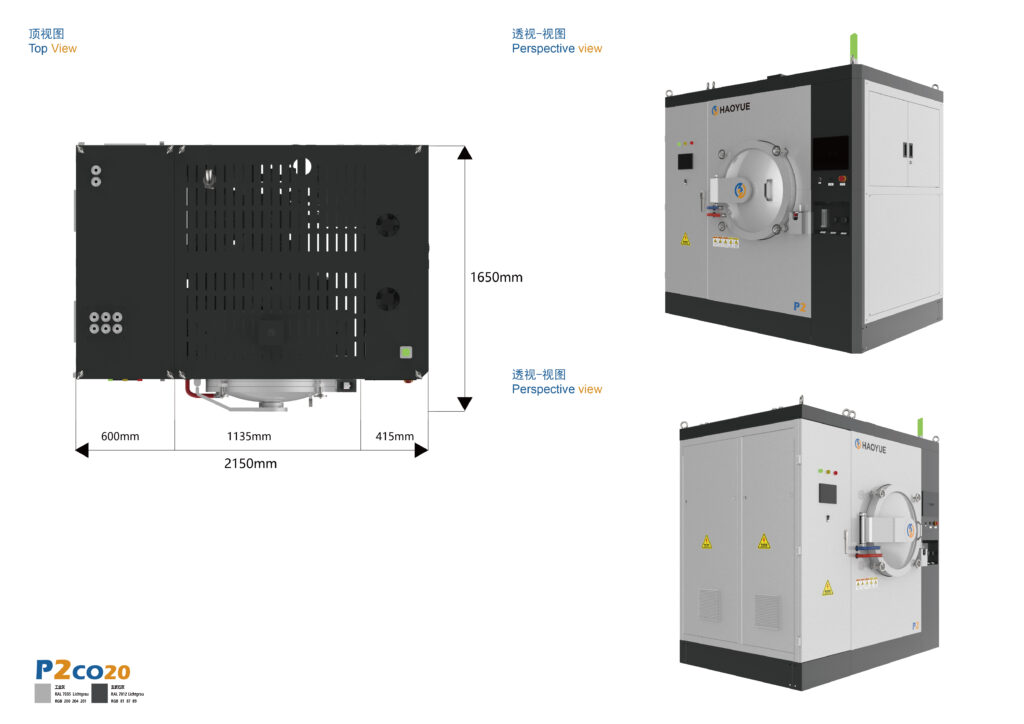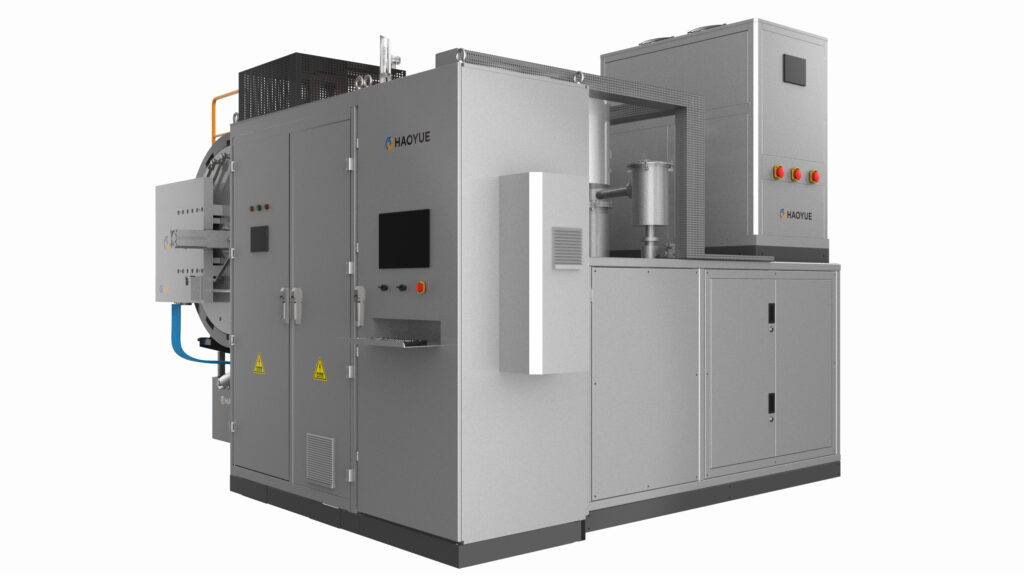






In the demanding world of advanced materials, the precision and purity offered by vacuum furnace technology are indispensable. From high-performance alloys to intricate ceramics, the capabilities of a leading vacuum furnace manufacturer are central to achieving superior material properties. This deep dive explores the critical applications of vacuum technology in sintering and heat treatment, highlighting key processes and the specialized equipment designed to meet diverse industrial needs.
The Foundation: Vacuum Heat Treatment and Brazing
Modern manufacturing relies heavily on controlled thermal processes. The vacuum heat treatment furnace manufacturer plays a pivotal role in industries requiring exceptional material integrity. Processes like vacuum annealing process and vacuum hardening process leverage the oxygen-free environment of a vacuum furnace to prevent oxidation and decarburization, resulting in components with enhanced strength, ductility, and surface finish. Similarly, the vacuum brazing process, facilitated by a specialized vacuum brazing furnace manufacturer, offers superior joint strength and cleanliness compared to vacuum brazing vs conventional brazing, making it ideal for joining complex assemblies without flux.
Precision Sintering for Advanced Materials
Sintering, the process of compacting and forming a solid mass of material by heat or pressure without melting it to the point of liquefaction, is revolutionized by vacuum technology. A dedicated vacuum sintering furnace manufacturer provides solutions for a multitude of advanced materials. The vacuum sintering process ensures high density and minimal porosity, crucial for high-performance applications. For example, the precise control offered by these furnaces is essential for silicon carbide sintering, zirconia sintering process, and alumina sintering process, yielding ceramics with exceptional hardness and thermal stability. Furthermore, the robust nature of materials like tungsten carbide sintering and molybdenum sintering benefits immensely from a vacuum environment, preventing contamination and ensuring optimal metallurgical bonding.
Specialized Sintering and Pressure Techniques
Beyond conventional vacuum sintering, several advanced techniques offer unique advantages. The SPS furnace manufacturer (Spark Plasma Sintering) produces equipment for rapid sintering at lower temperatures, offering benefits in grain size control. Comparing SPS vs hot pressing, SPS often allows for faster processing times and finer microstructures. For high-density components, the hot pressing furnace manufacturer provides systems that combine heat and uniaxial pressure. Another critical technology is Hot Isostatic Pressing (HIP), where the HIP manufacturer develops furnaces capable of applying high pressure isotropically, significantly reducing porosity. This makes HIP vs vacuum sintering a crucial consideration for demanding applications requiring ultimate density. Additionally, the gas pressure sintering furnace offers a middle ground, combining elements of both vacuum and pressure to achieve specific material properties, often compared in the context of vacuum sintering vs pressure sintering.
Industry-Specific Applications and Innovations
The versatility of vacuum furnace technology extends across numerous high-tech sectors. For the aerospace industry, an aerospace vacuum furnace and aerospace heat treatment furnace are critical for processing turbine blades, structural components, and engine parts, ensuring the integrity required for extreme conditions. In the medical field, a medical implant sintering furnace and dental implant vacuum furnace are indispensable for producing biocompatible components with precise microstructures. The electronics industry relies on a specialized semiconductor vacuum furnace and vacuum hydrogen furnace for critical processes like wafer annealing and thin-film deposition, where purity is paramount. Furthermore, the burgeoning electric vehicle market utilizes a battery material sintering furnace for manufacturing advanced electrode materials, while the tooling industry benefits from a carbide tool sintering furnace to produce durable cutting tools.
Choosing the Right Furnace Technology
When selecting equipment, understanding the internal construction is vital. The choice between a graphite furnace vs molybdenum furnace, for instance, depends on the process temperature, atmosphere, and potential for carbon contamination. Graphite hot zones are common for high-temperature applications in inert or vacuum environments, while molybdenum is preferred for ultra-clean applications and certain reactive atmospheres. Ultimately, the decision for any application, be it titanium alloy heat treatment or advanced ceramic sintering, hinges on material requirements, process specifications, and the expertise of a reputable vacuum furnace manufacturer.
The continuous innovation by a leading vacuum furnace manufacturer ensures that industries can achieve the highest standards of material performance. From the fundamental vacuum furnace vs atmosphere furnace advantages to the nuanced differences between specialized sintering techniques, vacuum technology remains at the forefront of advanced material processing, driving progress across aerospace, medical, semiconductor, and many other critical sectors.