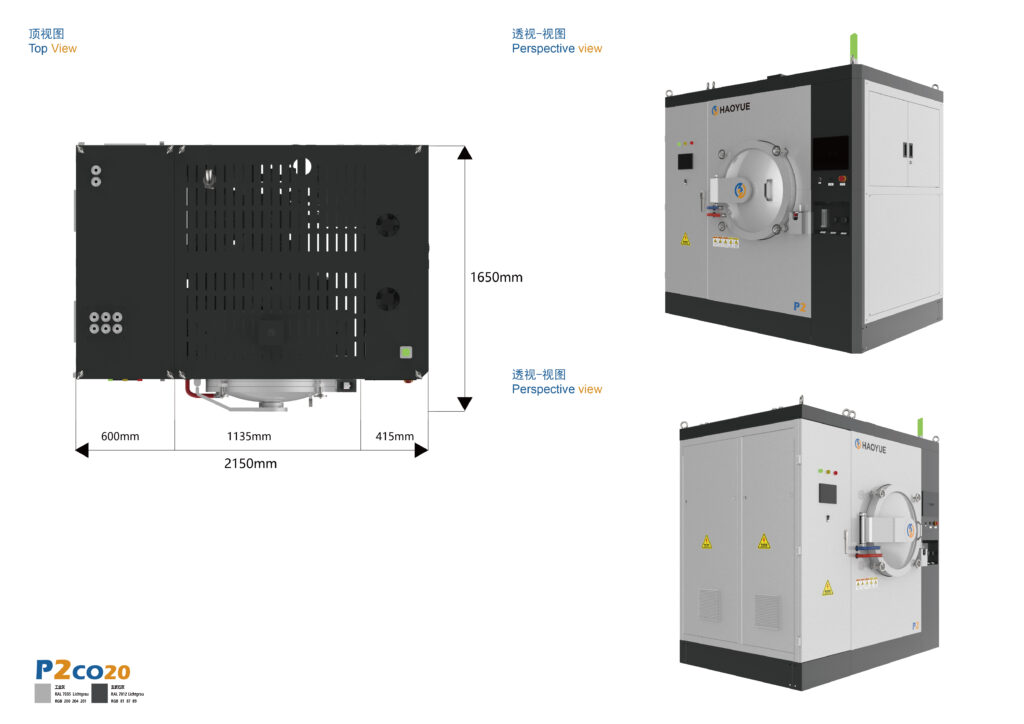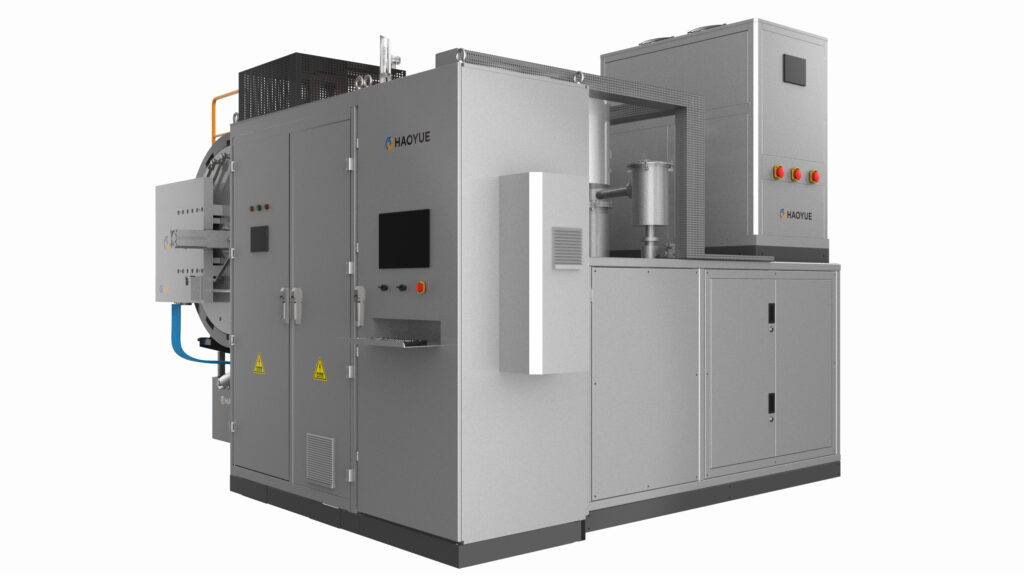






In the relentless pursuit of high-performance materials across diverse industries, advanced thermal processing technologies are indispensable. From enhancing the durability of aerospace components to ensuring the purity of medical implants, the capabilities offered by specialized furnaces are critical. For industrial equipment buyers, engineers, and practitioners, understanding the nuances of these systems, particularly those from a reputable vacuum sintering furnace manufacturer or vacuum heat treatment furnace manufacturer, is paramount.
A leading vacuum furnace manufacturer offers a comprehensive suite of solutions tailored for various applications. This includes sophisticated systems like those from an SPS furnace manufacturer, specializing in Spark Plasma Sintering for rapid densification, and a hot pressing furnace manufacturer, providing robust equipment for high-pressure consolidation. For achieving superior material properties and density, a HIP manufacturer (Hot Isostatic Pressing) is often sought. Specialized thermal processes also benefit from a dedicated vacuum brazing furnace manufacturer, ensuring strong, clean joints in complex assemblies. Furthermore, the electronics sector frequently utilizes a semiconductor vacuum furnace, while specific metallurgical processes might require a vacuum hydrogen furnace or a gas pressure sintering furnace for precise atmospheric control.
The technical core of these operations lies in the sophisticated processes they enable. The vacuum sintering process is crucial for densifying powdered materials without oxidation, resulting in superior mechanical properties. Similarly, the vacuum brazing process provides high-strength, void-free joints, essential in critical applications. For material property enhancement, the vacuum annealing process refines microstructure, while the vacuum hardening process increases hardness and wear resistance. These processes are vital for a range of advanced materials, including silicon carbide sintering for extreme hardness, zirconia sintering process for biomedical and structural ceramics, and alumina sintering process for high-temperature applications. Furthermore, the densification of hard metals like tungsten carbide sintering and high-temperature alloys like molybdenum sintering, along with critical titanium alloy heat treatment, all rely on these controlled environments.
The application scenarios for these advanced furnaces span a multitude of critical industries. An aerospace vacuum furnace and aerospace heat treatment furnace are fundamental for manufacturing lightweight, high-strength components capable of withstanding extreme conditions. In the medical field, a medical implant sintering furnace and dental implant vacuum furnace are indispensable for producing biocompatible and durable prosthetics. The burgeoning electronics industry depends heavily on a semiconductor vacuum furnace for producing integrated circuits, while the energy sector benefits from a battery material sintering furnace for advanced electrode production. Precision tools also see significant improvement from a carbide tool sintering furnace, enhancing their lifespan and performance.
Understanding the differentiated advantages between various technologies is key to selecting the optimal solution. For rapid densification, comparing SPS vs hot pressing reveals distinct benefits in processing speed and material properties. When aiming for minimal porosity, the choice between HIP vs vacuum sintering often comes down to the desired final density and cost-effectiveness. The fundamental difference between vacuum sintering vs pressure sintering lies in the applied external pressure during densification, impacting final part integrity. Furthermore, understanding the advantages of a vacuum furnace vs atmosphere furnace highlights the superior purity and control offered by vacuum environments. Material and temperature considerations lead to choices such as a graphite furnace vs molybdenum furnace, each suited for different temperature ranges and material interactions. Finally, the benefits of vacuum brazing vs conventional brazing, including cleaner joints and reduced post-processing, are significant for high-precision components.
In conclusion, the advancements in vacuum furnace technology are pivotal for the production of next-generation materials and components. From the precision offered by a dedicated vacuum sintering furnace manufacturer to the specialized processes like silicon carbide sintering and titanium alloy heat treatment, these systems underpin critical innovations across aerospace, medical, semiconductor, and tooling industries. Choosing the right equipment and understanding the specific process requirements are essential for engineers and industrial buyers aiming to achieve unparalleled material performance and manufacturing efficiency.