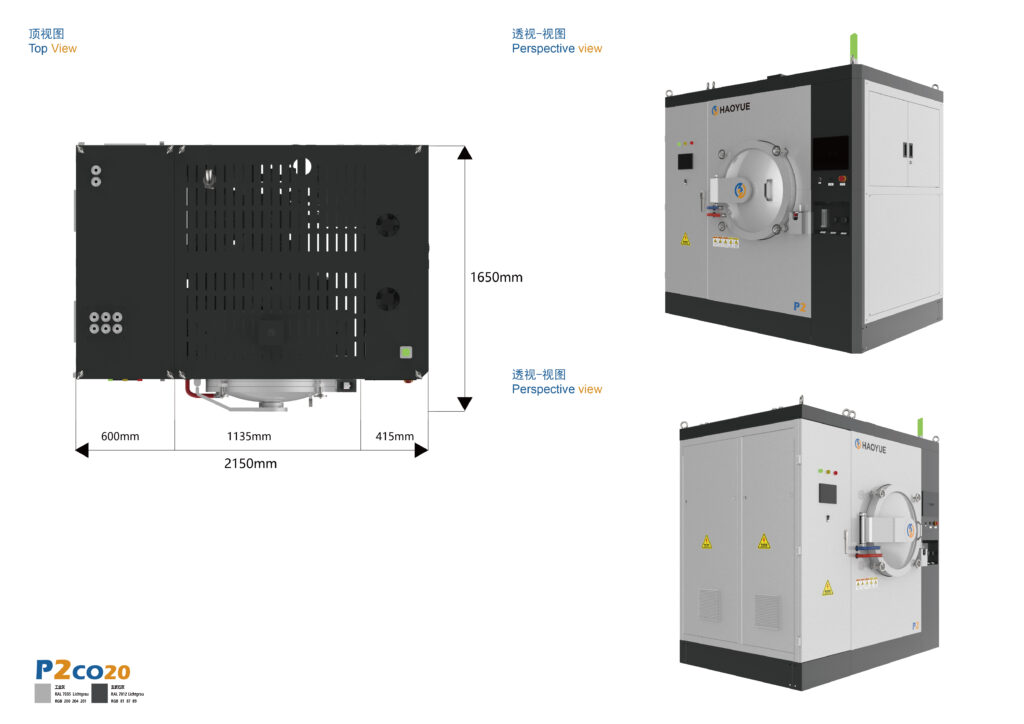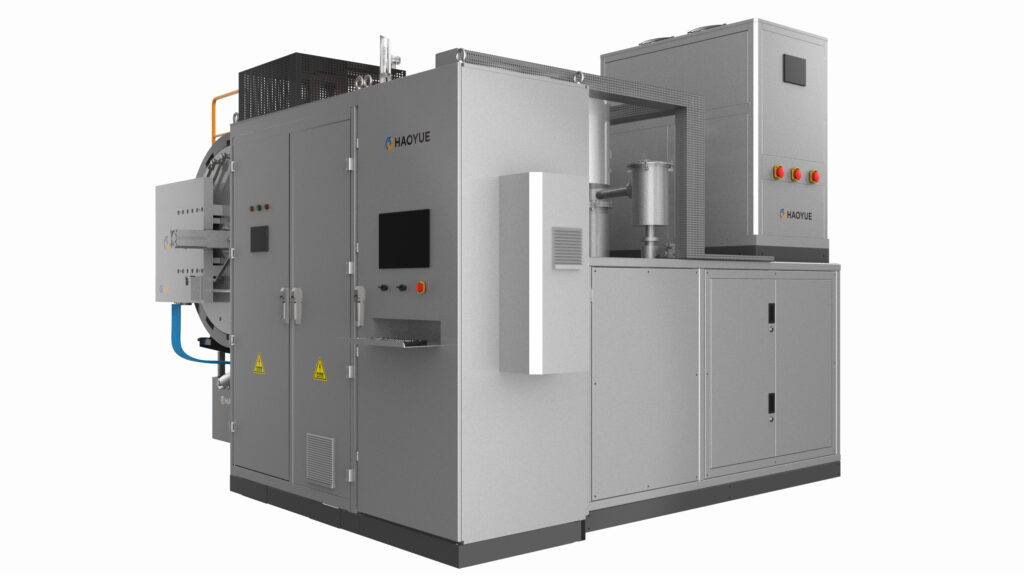






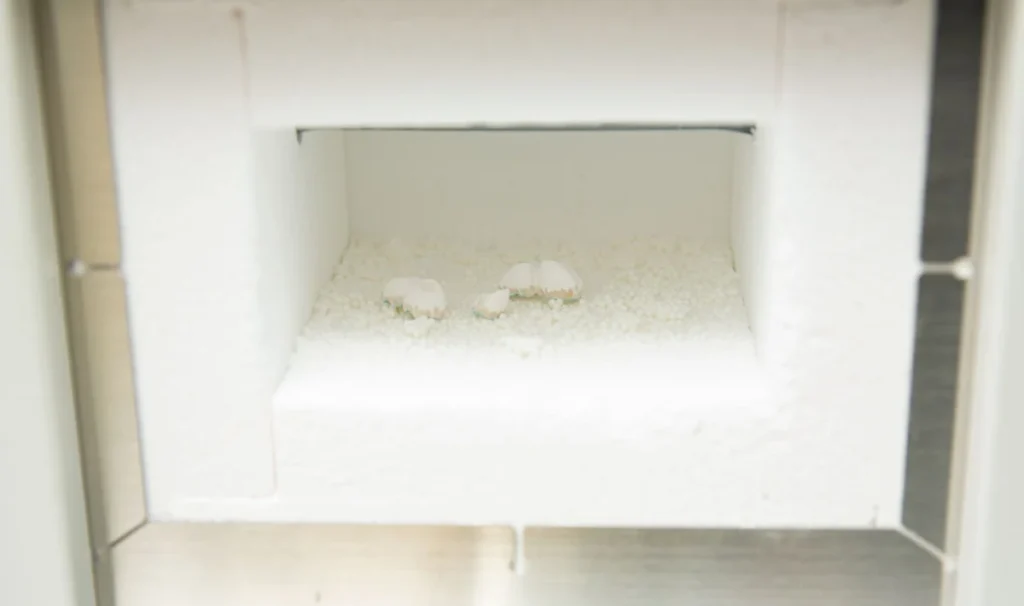
In the realm of advanced materials, achieving superior performance often hinges on precise thermal processing. This is where the expertise of a leading vacuum furnace manufacturer becomes indispensable. Modern industrial applications, from aerospace vacuum furnace components to medical implant sintering furnace parts, increasingly rely on the controlled environments offered by vacuum technology. Understanding the nuances of the vacuum sintering process, vacuum brazing process, and the capabilities of a dedicated vacuum heat treatment furnace manufacturer is crucial for engineers and industrial buyers aiming for high-quality, defect-free material production.
The vacuum sintering process is a cornerstone for producing dense, high-performance components from powdered materials. A dedicated vacuum sintering furnace manufacturer provides equipment capable of handling diverse materials. For instance, processes like silicon carbide sintering, zirconia sintering process, alumina sintering process, tungsten carbide sintering, and molybdenum sintering demand precise temperature control and atmospheric purity. Specialized equipment, such as that provided by an SPS furnace manufacturer or hot pressing furnace manufacturer, offers unique advantages. When considering options, the debate of SPS vs hot pressing or HIP vs vacuum sintering highlights different densification mechanisms, while vacuum sintering vs pressure sintering often comes down to specific material requirements and cost-efficiency. Industries like the carbide tool sintering furnace sector and battery material sintering furnace production benefit immensely from these advanced techniques, often utilizing a gas pressure sintering furnace for enhanced density.
For joining critical components, the vacuum brazing process offers unmatched cleanliness and joint integrity. As a proficient vacuum brazing furnace manufacturer, we understand the need for precise temperature profiles and excellent vacuum levels to prevent oxidation and ensure strong, void-free bonds. The clear advantages of vacuum brazing vs conventional brazing are evident in applications requiring high reliability, such as those found in an aerospace vacuum furnace.
Beyond sintering and brazing, vacuum heat treatment furnace manufacturer expertise is vital for enhancing material properties. Processes like vacuum annealing process and vacuum hardening process are critical for optimizing the mechanical characteristics of metals and alloys. This is particularly true for titanium alloy heat treatment, where oxygen contamination must be meticulously avoided. Advanced applications, including the production of components for an aerospace heat treatment furnace or a dental implant vacuum furnace, demand the highest standards. Additionally, the specialized environments created by a vacuum hydrogen furnace or the advanced densification provided by a HIP manufacturer are indispensable for certain materials. The choice between a vacuum furnace vs atmosphere furnace is clear when material purity and precise control are paramount, especially in sensitive areas like the semiconductor vacuum furnace industry.
Selecting the right vacuum furnace manufacturer involves understanding the specific needs of your application. For example, comparing a graphite furnace vs molybdenum furnace highlights differences in maximum temperature, contamination risk, and cost, each suited for different materials and processes. The stringent requirements of a semiconductor vacuum furnace often lean towards specific heating element materials and ultra-high vacuum capabilities. These specialized furnaces are engineered to deliver repeatable and reliable results, crucial for high-tech manufacturing.
The landscape of advanced material processing is continuously evolving, driven by the capabilities of modern vacuum furnace manufacturer companies. From intricate vacuum sintering process applications for medical implants to the robust vacuum brazing process in aerospace, and the precise vacuum heat treatment of high-performance alloys, vacuum technology is fundamental. For industrial equipment buyers, engineers, and practitioners, partnering with an experienced manufacturer that understands the complexities of these processes is key to unlocking the full potential of their materials.