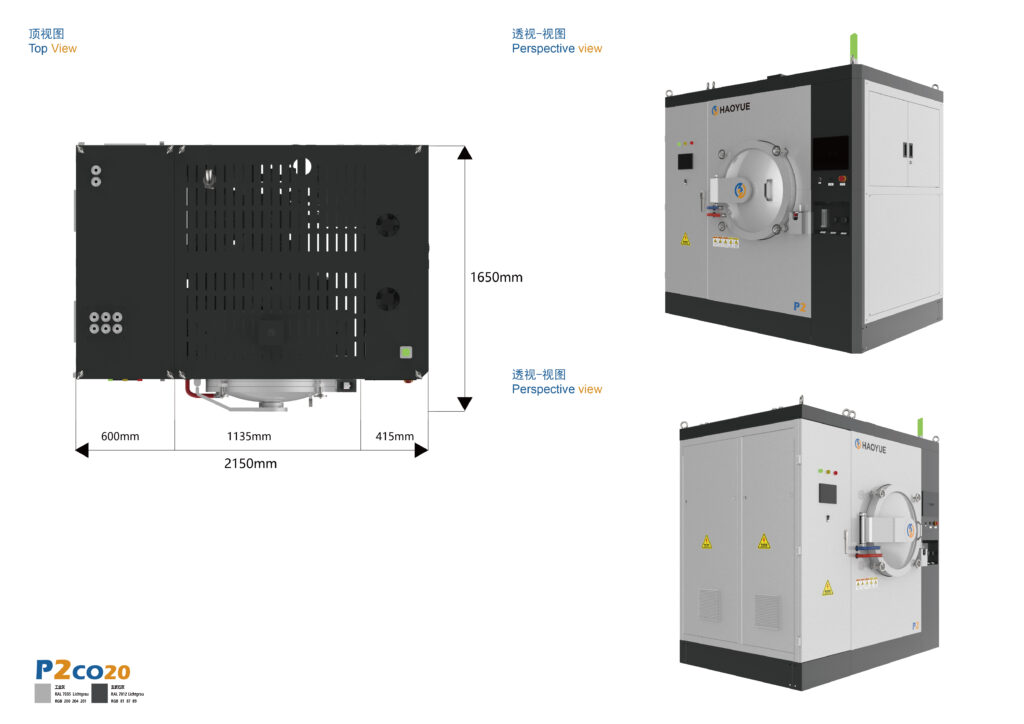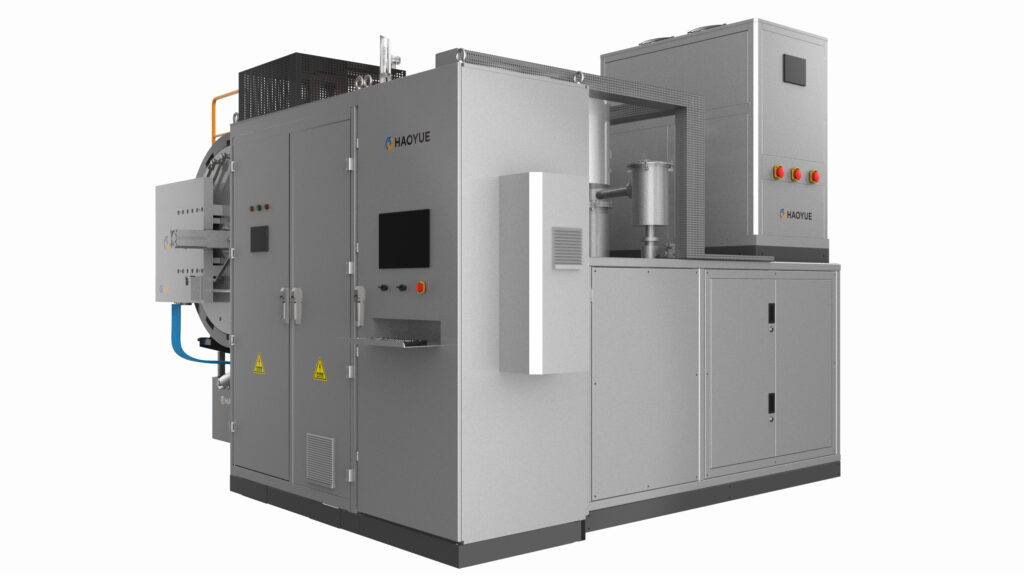






In the demanding landscape of modern manufacturing, the precision and integrity of advanced materials are paramount. From aerospace components to medical implants, the performance of these materials is often dictated by their processing. This is where the expertise of a specialized vacuum furnace manufacturer becomes indispensable, providing cutting-edge solutions for sophisticated applications. Vacuum technology offers unparalleled control over purity and properties, making processes like vacuum sintering, heat treatment, and brazing far superior to conventional methods.
The vacuum sintering process is a cornerstone for creating high-density, high-performance components. Unlike traditional atmospheric sintering, it eliminates detrimental gas-material reactions, leading to purer products with enhanced mechanical properties. For instance, the challenges in silicon carbide sintering, zirconia sintering process, and alumina sintering process are effectively overcome in a vacuum environment, yielding superior ceramics. Similarly, the fabrication of refractory metals benefits immensely from vacuum, with robust tungsten carbide sintering and molybdenum sintering achievable. When considering advanced techniques, understanding the nuances between HIP vs vacuum sintering or vacuum sintering vs pressure sintering is crucial for optimizing material properties. A reputable vacuum sintering furnace manufacturer or SPS furnace manufacturer can guide you through these choices, offering tailored equipment like an SPS furnace manufacturer for specific needs.
Beyond sintering, vacuum technology is transformative for heat treatment. The vacuum heat treatment furnace manufacturer provides systems capable of precise thermal cycles, crucial for applications like titanium alloy heat treatment in aerospace. Processes such as vacuum annealing process and vacuum hardening process deliver components with exceptional fatigue resistance and strength, free from surface oxidation or decarburization. The advantages of a vacuum furnace vs atmosphere furnace are stark, particularly for sensitive materials. Industries from aerospace vacuum furnace applications to advanced tooling rely on these controlled environments. For critical components, an aerospace heat treatment furnace ensures the highest standards of quality and reliability.
Another vital application is the vacuum brazing process. This technique creates strong, hermetic joints in complex assemblies, often without the need for flux, making it ideal for high-purity applications. The benefits of vacuum brazing vs conventional brazing are clear in terms of joint quality, cleanliness, and material compatibility. A skilled vacuum brazing furnace manufacturer ensures the integrity of these critical bonds. Furthermore, the specialized requirements of materials in the semiconductor industry are met by a semiconductor vacuum furnace, ensuring ultra-clean environments for critical processes. For niche applications requiring specific atmospheres, a vacuum hydrogen furnace offers precise control over reducing environments.
Choosing the right equipment is paramount. Whether you need a hot pressing furnace manufacturer for compacting powders, an HIP manufacturer for densification, or a gas pressure sintering furnace for specific material characteristics, the technology must match the application. Considerations like graphite furnace vs molybdenum furnace designs depend on process temperatures and material compatibility. The impact of these technologies spans diverse sectors: from medical implant sintering furnace and dental implant vacuum furnace for biocompatible components, to semiconductor vacuum furnace and battery material sintering furnace for next-generation energy solutions, and carbide tool sintering furnace for high-performance cutting tools. Understanding the differences, such as SPS vs hot pressing, can significantly impact product development.
In conclusion, the evolution of materials science is inextricably linked to advancements in vacuum processing technology. Partnering with an experienced vacuum furnace manufacturer is not merely an equipment purchase; it’s an investment in superior material properties, enhanced product performance, and a competitive edge. For engineers and buyers in high-tech industries, selecting the right HIP manufacturer or vacuum sintering furnace manufacturer ensures access to the precise control and reliability needed to push the boundaries of innovation.
Frequently Asked Questions
What are the main advantages of vacuum sintering over traditional atmospheric sintering?
Vacuum sintering eliminates detrimental gas-material reactions, resulting in purer products with enhanced mechanical properties. This process is especially beneficial for creating high-density, high-performance components, overcoming challenges associated with materials like silicon carbide, zirconia, and alumina.
How does vacuum heat treatment improve material properties compared to conventional methods?
Vacuum heat treatment offers precise thermal cycles, ensuring components are free from surface oxidation or decarburization. This results in exceptional fatigue resistance and strength, making it ideal for sensitive materials and critical applications, such as titanium alloy heat treatment in aerospace.
What makes vacuum brazing superior to conventional brazing techniques?
Vacuum brazing creates strong, hermetic joints without the need for flux, leading to high-purity applications. This method ensures joint quality, cleanliness, and material compatibility, which is especially important for complex assemblies and high-purity requirements.
Why is choosing the right furnace manufacturer crucial for advanced material processing?
Selecting the appropriate furnace manufacturer ensures the technology matches the specific application, whether it's sintering, heat treatment, or brazing. This includes considerations like process temperatures, material compatibility, and the specific needs of industries such as aerospace, semiconductor, and medical implants.
How does vacuum technology benefit the semiconductor industry?
Vacuum technology ensures ultra-clean environments crucial for semiconductor processes. A semiconductor vacuum furnace provides precise control over the atmosphere, reducing contamination risks and ensuring the high purity required for semiconductor manufacturing.
What factors should be considered when choosing between a graphite furnace and a molybdenum furnace?
The choice between a graphite and molybdenum furnace depends on process temperatures and material compatibility. Graphite furnaces are suitable for higher temperature processes, while molybdenum furnaces offer benefits for specific material interactions. Understanding these differences is crucial for optimizing material processing.