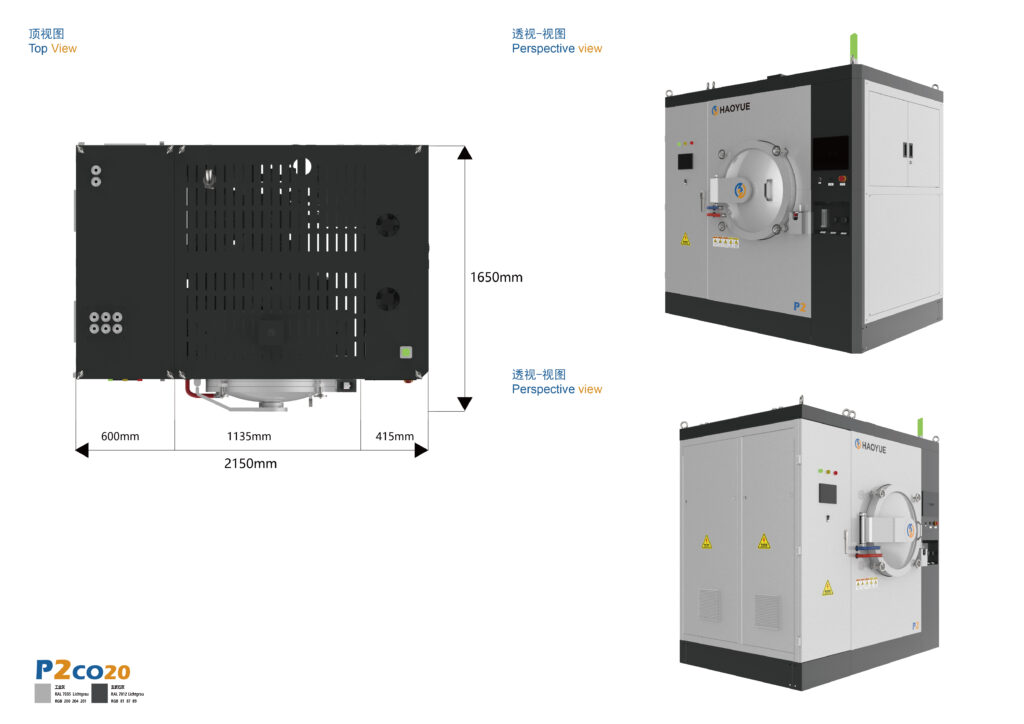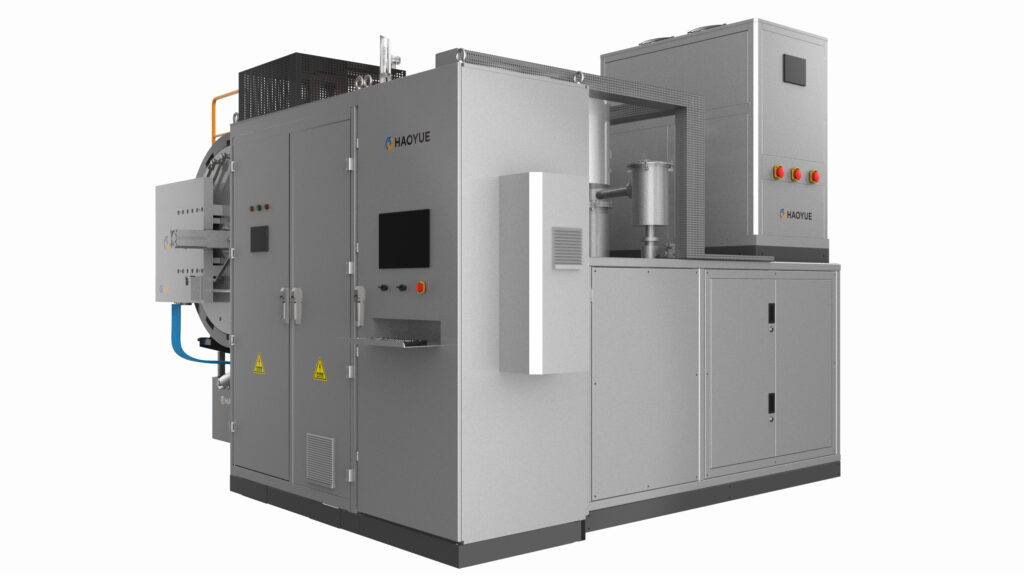






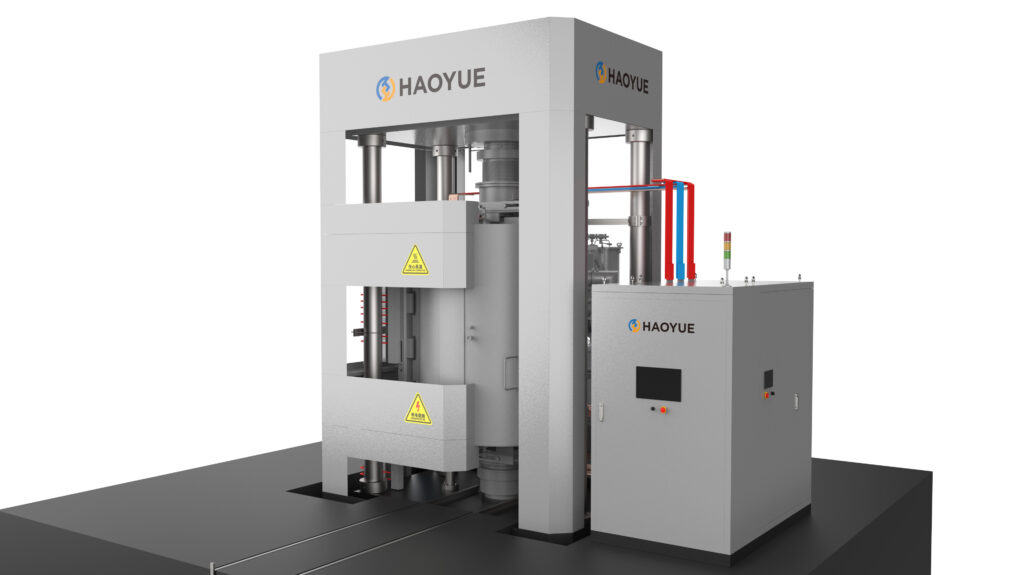
Industrial buyers often grapple with the challenge of achieving consistent part quality and minimizing oxidation and contamination during the welding process. Traditional welding methods, while widely used, can fall short in applications demanding high precision and quality assurance. Enter vacuum diffusion welding, an advanced technique that addresses these issues by utilizing a controlled environment to deliver superior results.
Why Vacuum Sintering Furnaces Are Critical for High-Precision MIM Parts
Vacuum sintering furnaces play a pivotal role in manufacturing high-precision Metal Injection Molding (MIM) parts. The inherent need for temperature uniformity and controlled atmosphere sintering is crucial in avoiding defects such as porosity and inconsistent density. Industrial furnaces equipped with vacuum technology ensure precise temperature management, thereby enhancing product reliability and performance.
Applications in Powder Metallurgy Sintering
In powder metallurgy, maintaining consistent sintering quality is paramount. Vacuum sintering furnaces facilitate this by providing a stable environment that reduces contamination risks and improves the metallurgical properties of the final product. This technology is particularly beneficial in the aerospace and medical sectors, where high-precision joining is non-negotiable.
Key Features to Look for in a Hydrogen Molybdenum Furnace
When selecting a hydrogen molybdenum furnace, it’s essential to consider features that enhance efficiency and safety. These furnaces should offer high-temperature capabilities, reaching up to 1600°C, and maintain vacuum levels up to 10⁻⁶ mbar. Safety features such as automated shut-off systems and robust heating elements made from high-grade materials ensure reliable and safe operation.
Technical Specifications
- Temperature uniformity: ±1°C
- Vacuum levels: Up to 10⁻⁶ mbar
- Heating elements: Tungsten or molybdenum
- Safety features: Automated controls and alarms
Advantages of High-Temperature Sintering Equipment
High-temperature sintering equipment is indispensable for industries that require exceptional material properties and tight tolerances. By providing controlled atmosphere sintering, these furnaces help achieve superior mechanical strength and resistance to wear and corrosion. This capability is crucial in automotive applications where durability and performance are critical.
Enhanced Process Stability and Product Quality
The ability to maintain precise temperature control and vacuum conditions results in repeatable and automated batch consistency, significantly improving yield rates and reducing production costs. Vacuum heat treatment further enhances product quality by preventing oxidation and ensuring uniform part characteristics.
For industrial buyers seeking custom sintering solutions tailored to their production needs, our engineering team is ready to discuss your project requirements. Reach out to explore how our advanced vacuum furnace technology can elevate your manufacturing processes.
Related Products & Services
- Vacuum Sintering Furnace – Advanced sintering solutions from HaoYue Group.
- Vacuum Diffusion Welding Furnace
- Vacuum Sintering Furnace for powder metallurgy
Looking for high-quality vacuum furnace solutions? Contact HaoYue Group for more information.
Related Products & Services
- Vacuum Sintering Furnace – Advanced sintering solutions from HaoYue Group.
- Vacuum Diffusion Welding Furnace
- Vacuum Sintering Furnace for powder metallurgy
Looking for high-quality vacuum furnace solutions? Contact HaoYue Group for more information.
Frequently Asked Questions
How does vacuum diffusion welding improve the quality of welded parts?
Vacuum diffusion welding provides a controlled environment that minimizes oxidation and contamination, resulting in superior weld quality. This method ensures high precision and consistent part quality, making it ideal for applications where traditional welding falls short.
What are the benefits of using vacuum sintering furnaces in MIM part production?
Vacuum sintering furnaces ensure temperature uniformity and a controlled atmosphere, which are critical for avoiding defects like porosity. This results in enhanced product reliability and performance, crucial for high-precision industries like aerospace and medical.
Why is temperature uniformity important in high-precision sintering processes?
Temperature uniformity, typically within ±1°C, ensures consistent material properties and prevents defects. This is vital for industries demanding tight tolerances and exceptional mechanical properties, as it enhances reliability and durability of the final product.
What should be considered when selecting a hydrogen molybdenum furnace?
Key considerations include high-temperature capabilities up to 1600°C, vacuum levels up to 10⁻⁶ mbar, and safety features like automated shut-off systems. Robust heating elements made from tungsten or molybdenum are also crucial for efficient and safe operation.
How does vacuum heat treatment enhance product quality?
Vacuum heat treatment prevents oxidation and ensures uniform part characteristics by maintaining precise temperature and vacuum conditions. This leads to repeatable batch consistency, improved yield rates, and reduced production costs, enhancing overall product quality.
What role does high-temperature sintering equipment play in the automotive industry?
High-temperature sintering equipment provides controlled atmosphere sintering, achieving superior mechanical strength and resistance to wear and corrosion. This is crucial for automotive applications where durability and performance are essential for safety and longevity.