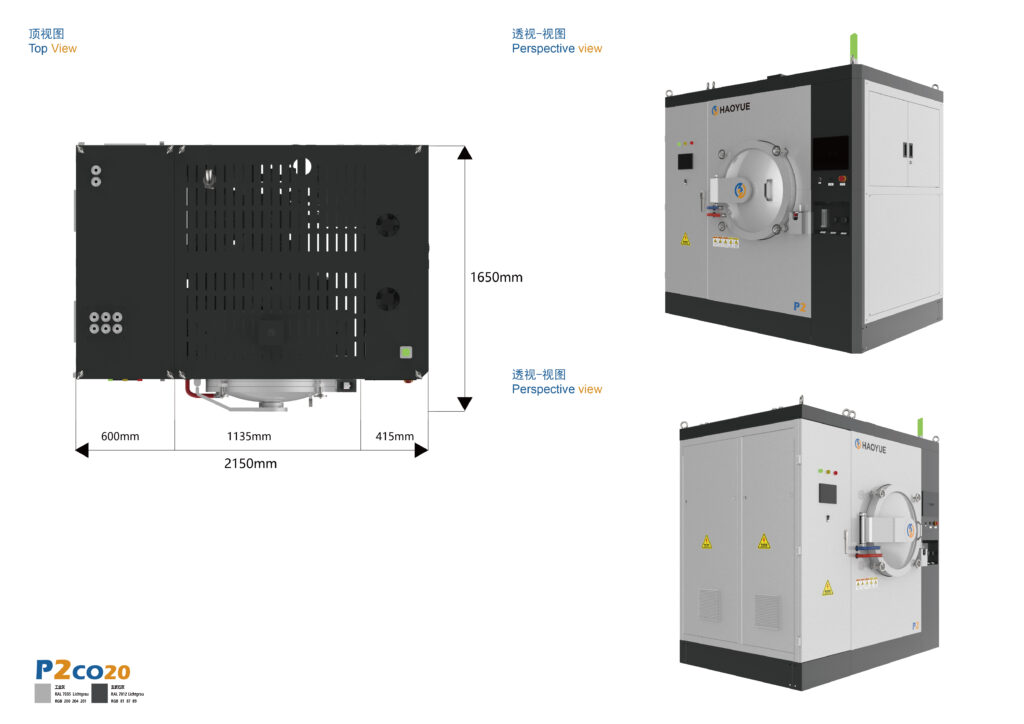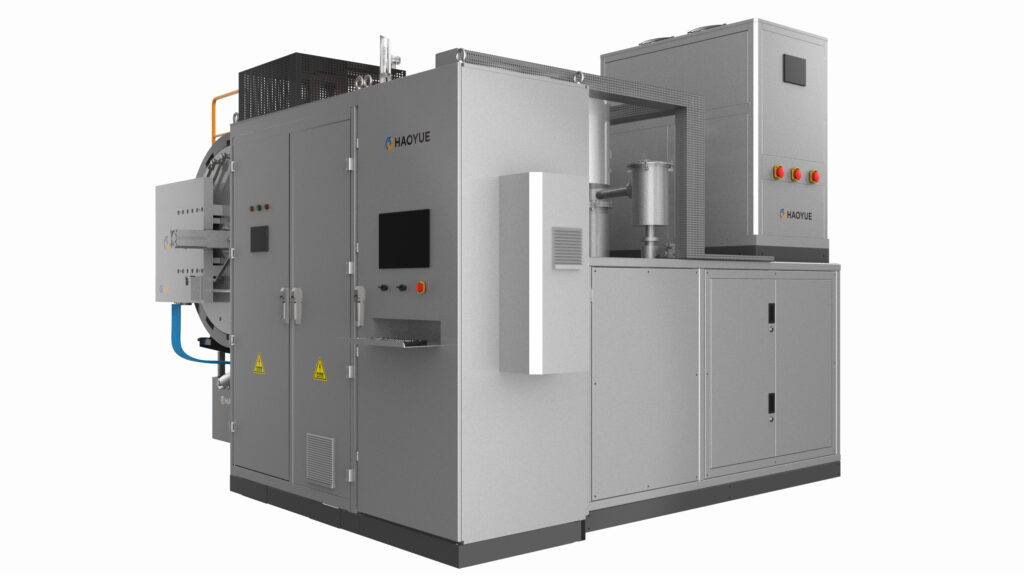






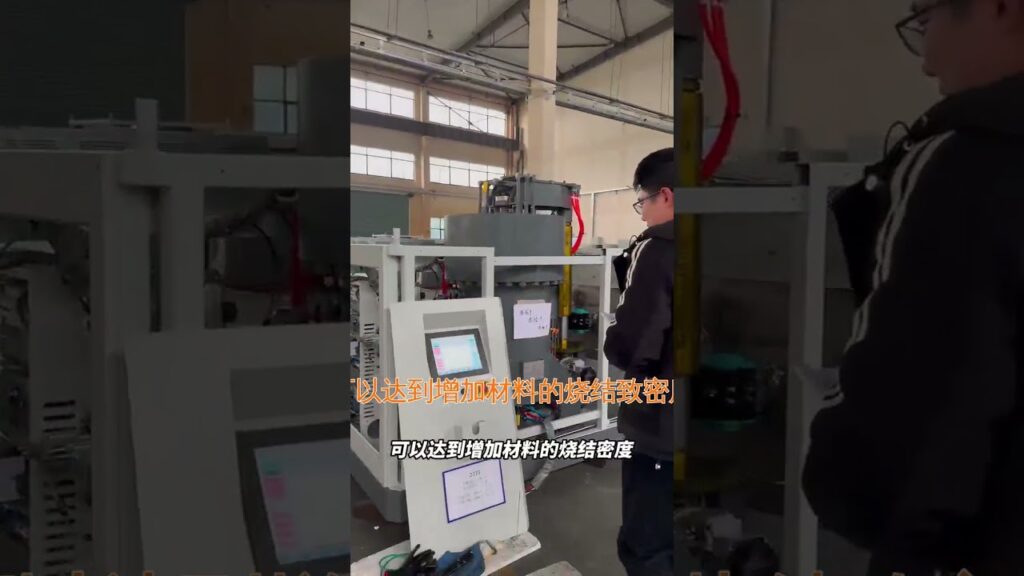
In the world of precision manufacturing, achieving consistent part quality remains a critical challenge. Industries dealing with vacuum sintering furnaces often face issues like inconsistent sintering quality and high energy costs, which can significantly impact production efficiency and product outcome. By leveraging advanced technologies such as vacuum sintering furnaces and hydrogen molybdenum furnaces, these challenges can be effectively addressed.
Why Vacuum Sintering Furnaces Are Critical for High-Precision MIM Parts
Vacuum sintering furnaces are pivotal in the production of high-precision Metal Injection Molding (MIM) parts. The vacuum environment minimizes oxidation and contamination, ensuring superior surface quality and material properties. This is crucial for industries like aerospace and medical devices, where compliance with standards such as Nadcap and ISO 13485 is mandatory.
Ensuring Temperature Uniformity
Achieving a temperature uniformity of ±1°C in vacuum sintering furnaces is essential for the production of defect-free parts. This level of precision ensures consistent material properties across all batches, reducing waste and improving yield rates.
Key Features to Look for in a Hydrogen Molybdenum Furnace
When selecting a hydrogen molybdenum furnace, it’s important to consider features such as vacuum levels up to 10⁻⁶ mbar and high-temperature capabilities. These attributes are crucial for processes like powder metallurgy sintering and controlled atmosphere sintering, where precise control over the environment is required.
Optimizing Energy Efficiency
Modern furnaces are designed to enhance energy efficiency, reducing operational costs while maintaining high performance. This is achieved through advanced insulation materials and optimized heating element designs.
Overcoming Common Production Challenges
Industries often struggle with production inefficiencies and quality control issues. By implementing high-temperature sintering equipment, companies can achieve diffusion bonding and high-precision joining without defects. This technology enhances cycle repeatability and ensures compliance with stringent industry standards.
Real-World Applications
From aerospace components to medical implants, the use of vacuum heat treatment and vacuum brazing is widespread. These technologies ensure that products meet necessary mechanical and chemical properties, crucial for safety and reliability.
Industry Standards and Compliance
Meeting industry standards is non-negotiable. Vacuum furnace solutions not only help in achieving compliance with Nadcap and AMS for aerospace but also ensure FDA and ISO 13485 compliance for medical devices. This compliance guarantees product safety and quality, building trust with end-users.
By integrating modern vacuum furnace technology, manufacturers can overcome traditional production barriers, enhancing process stability, product quality, and cost efficiency. For custom sintering solutions tailored to your production needs, reach out to our engineering team to discuss your project requirements.
Related Products & Services
- Vacuum Sintering Furnace – Advanced sintering solutions from HaoYue Group.
- Vacuum Brazing Process Guide
- Vacuum Heat Treatment Process Guide
Looking for high-quality vacuum furnace solutions? Contact HaoYue Group for more information.
Related Products & Services
- Vacuum Sintering Furnace – Advanced sintering solutions from HaoYue Group.
- Vacuum Brazing Process Guide
- Vacuum Heat Treatment Process Guide
Looking for high-quality vacuum furnace solutions? Contact HaoYue Group for more information.
Frequently Asked Questions
What are the main advantages of using vacuum sintering furnaces in MIM part production?
Vacuum sintering furnaces provide a contamination-free environment, reducing oxidation and ensuring superior surface quality and material properties. This is essential for industries like aerospace and medical devices, where precision and compliance with standards such as Nadcap and ISO 13485 are crucial.
How does temperature uniformity impact the quality of sintered parts?
Temperature uniformity of ±1°C in vacuum sintering furnaces ensures consistent material properties across all batches, reducing waste and improving yield rates. This precision is vital for producing defect-free parts, enhancing the overall quality and reliability of the final products.
Why is it important to achieve high vacuum levels in hydrogen molybdenum furnaces?
High vacuum levels, up to 10⁻⁶ mbar, in hydrogen molybdenum furnaces are crucial for controlled atmosphere sintering and powder metallurgy processes. Precise control over the environment prevents contamination and ensures optimal material properties, which is essential for high-quality production.
How do modern furnaces improve energy efficiency in production processes?
Modern furnaces enhance energy efficiency by using advanced insulation materials and optimized heating element designs. This reduces operational costs while maintaining high performance, making the production process more sustainable and cost-effective for manufacturers.
What role do vacuum heat treatment and brazing play in real-world applications?
Vacuum heat treatment and brazing are critical in industries like aerospace and medical implants, ensuring products meet necessary mechanical and chemical properties. These technologies provide safety and reliability, vital for applications where precision and compliance with industry standards are mandatory.
How can manufacturers ensure compliance with industry standards using vacuum furnace solutions?
Vacuum furnace solutions help manufacturers achieve compliance with standards such as Nadcap and AMS for aerospace and FDA and ISO 13485 for medical devices. This compliance is essential for guaranteeing product safety and quality, fostering trust with end-users and ensuring market access.