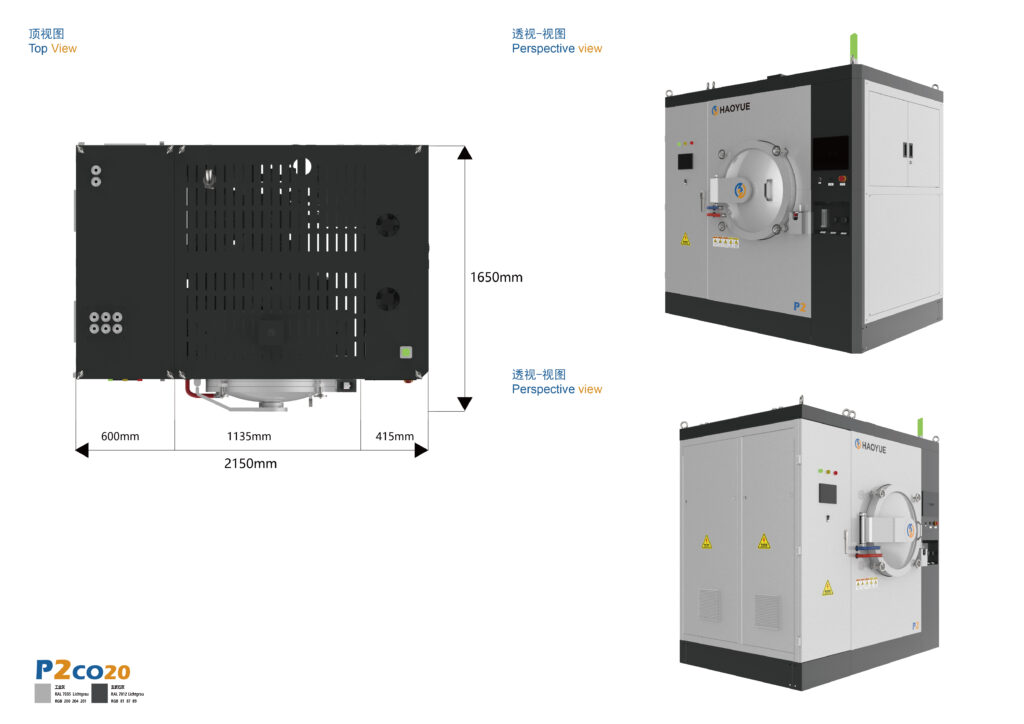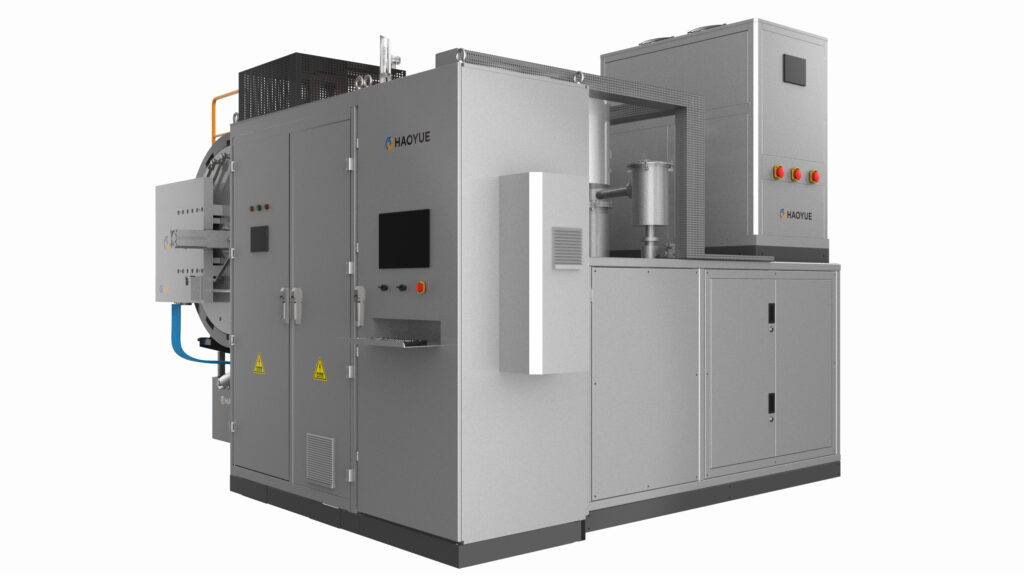







In modern industrial manufacturing, achieving superior material properties requires precise control over thermal environments. For engineers and procurement specialists, selecting the right thermal processing equipment is a pivotal decision. When evaluating the core thermodynamics of heat treatment, the fundamental debate often begins with a comparison of a vacuum furnace vs atmosphere furnace. While atmosphere furnaces introduce specific protective gases, a vacuum furnace operates under extremely low pressure, eliminating ambient gases to prevent oxidation, decarburization, and contamination. Partnering with an experienced vacuum furnace manufacturer allows industrial facilities to customize chamber configurations, hot zones, and cooling systems to meet stringent metallurgical standards.
Advanced Densification: SPS, Hot Pressing, and HIP Technologies
For high-performance ceramics and powder metallurgy, standard sintering may not achieve the theoretical density required for extreme applications. This is where advanced pressure-assisted sintering technologies become essential. When comparing SPS vs hot pressing (Spark Plasma Sintering vs Hot Pressing), engineers must weigh speed against cost. Spark Plasma Sintering utilizes pulsed direct current to generate internal localized heating, allowing rapid densification within minutes, whereas hot pressing relies on external conductive heating elements and hydraulic pressure over several hours. Consulting an expert SPS furnace manufacturer or a dedicated hot pressing furnace manufacturer can help determine which system matches your production throughput and material characteristics.
For post-sintering densification, comparing HIP vs vacuum sintering reveals distinct mechanical advantages. Hot Isostatic Pressing (HIP) applies simultaneous high temperature and high-pressure inert gas (up to 200 MPa) to eliminate internal porosity, whereas standard vacuum sintering relies solely on thermal activation. Working with a certified HIP manufacturer is critical for industries requiring zero-defect components, such as rotating aerospace parts. Additionally, when choosing between vacuum sintering vs pressure sintering, utilizing a gas pressure sintering furnace provides a middle ground, applying moderate gas pressure (typically 1 to 10 MPa) during the final stages of the sintering cycle to suppress thermal decomposition of materials like silicon nitride.
Material-Specific Sintering and Heat Treatment Processes
The success of any thermal cycle depends on matching the equipment metallurgy to the specific process requirements. A key hardware decision lies in choosing a graphite furnace vs molybdenum furnace. Graphite hot zones offer excellent thermal uniformity and cost efficiency at extremely high temperatures but can cause carbon contamination in sensitive metals. Molybdenum hot zones, conversely, provide an ultra-clean, metal-sealed environment ideal for superalloys and medical devices.
Advanced structural ceramics demand precise thermal profiles. The silicon carbide sintering process requires temperatures exceeding 2000°C in a protective or vacuum environment to activate solid-state diffusion. For bio-ceramics and dental restorations, optimizing the zirconia sintering process ensures high translucency and phase stability, while the alumina sintering process demands precise atmosphere control to prevent grain growth and maintain mechanical hardness. In the field of refractory metals and heavy alloys, specialized systems are required for tungsten carbide sintering and molybdenum sintering to achieve maximum theoretical density without microstructural defects.
Beyond sintering, precise metallurgical modification is achieved through targeted thermal cycles. Softening work-hardened metals and relieving residual stresses is accomplished via the vacuum annealing process. To achieve high wear resistance, tensile strength, and fatigue life, components undergo a rigorous vacuum hardening process. For highly reactive metals, executing a flawless titanium alloy heat treatment requires a high-vacuum environment to prevent the formation of a brittle oxygen-rich surface layer known as alpha-case. A reputable vacuum heat treatment furnace manufacturer can design custom multi-bar quenching systems to meet these precise cooling curves.
High-Strength Joining and Specialized Atmosphere Systems
Industrial assembly often requires joining dissimilar metals or complex geometries where mechanical fastening is impractical. Comparing vacuum brazing vs conventional brazing highlights the superiority of vacuum environments; conventional brazing requires chemical fluxes that leave corrosive residues, whereas the vacuum brazing process eliminates the need for flux, resulting in clean, high-integrity joints with minimal thermal distortion. Collaborating with a specialized vacuum brazing furnace manufacturer ensures the integration of precise multi-zone temperature controls necessary for delicate joint geometries.
For applications requiring reducing atmospheres to eliminate surface oxides on refractory metals or to perform decarburization, utilizing a vacuum hydrogen furnace provides a highly controlled, safe environment for hydrogen-rich thermal processing, combining vacuum purging with precise hydrogen gas injection.
Industry-Specific Thermal Processing Applications
Different industrial sectors demand tailored thermal solutions to meet regulatory and performance standards:
- Aerospace: Critical turbine blades, landing gear, and engine components are processed in an aerospace vacuum furnace or an aerospace heat treatment furnace to comply with strict AMS2750 standards.
- Medical & Dental: Ensuring medical-grade cleanliness and biocompatibility requires sintering orthopedic implants in a dedicated medical implant sintering furnace, while dental crowns and bridges are processed in a compact, high-precision dental implant vacuum furnace.
- Semiconductors & Electronics: The integration of a high-purity semiconductor vacuum furnace is vital for wafer annealing, thin-film deposition, and sensor packaging under ultra-high vacuum conditions.
- Energy Storage: Synthesizing high-capacity anodes, cathodes, and solid-state electrolytes relies on a high-throughput battery material sintering furnace.
- Tool Manufacturing: Producing high-durability cutting tools and wear parts requires precise carbon control in a high-capacity carbide tool sintering furnace.
Choosing the right thermal processing equipment is a long-term investment in product quality and operational efficiency. Whether you need to consult a vacuum sintering furnace manufacturer for advanced powder metallurgy or require a specialized heat treatment system, understanding these core processes and equipment configurations ensures your facility remains at the cutting edge of material science.