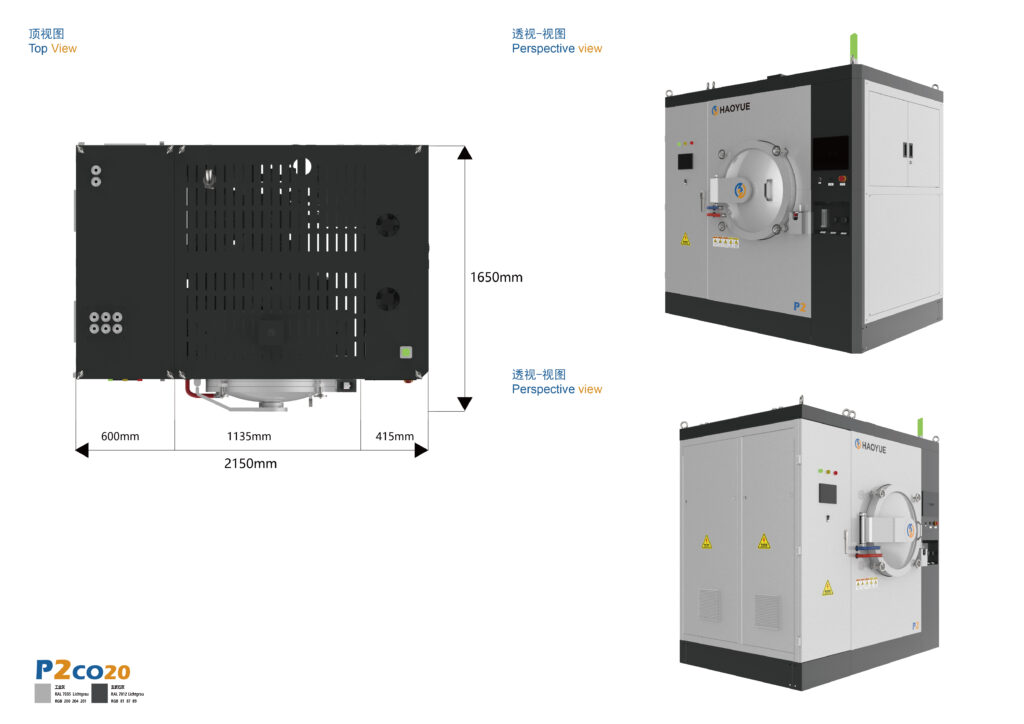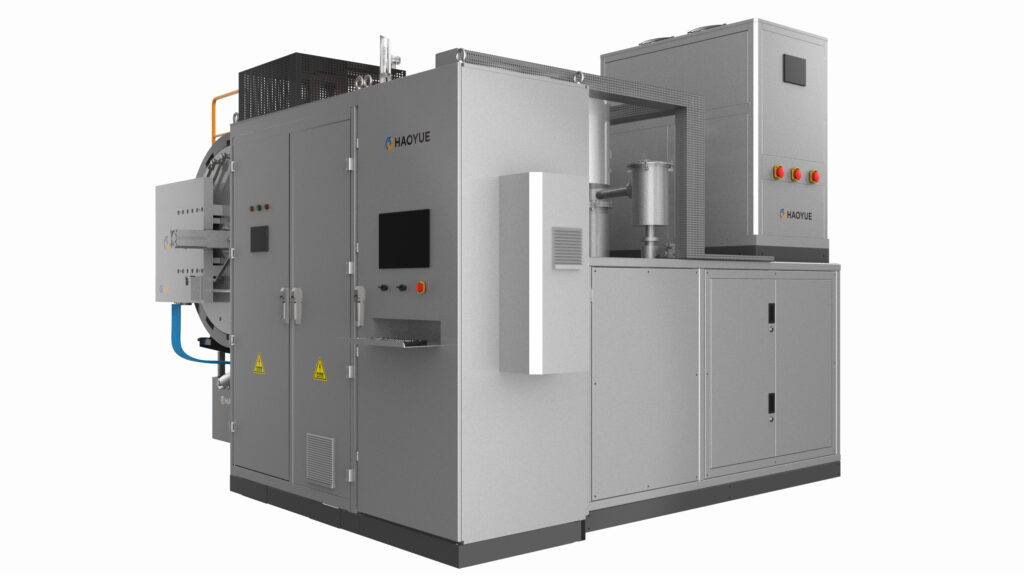






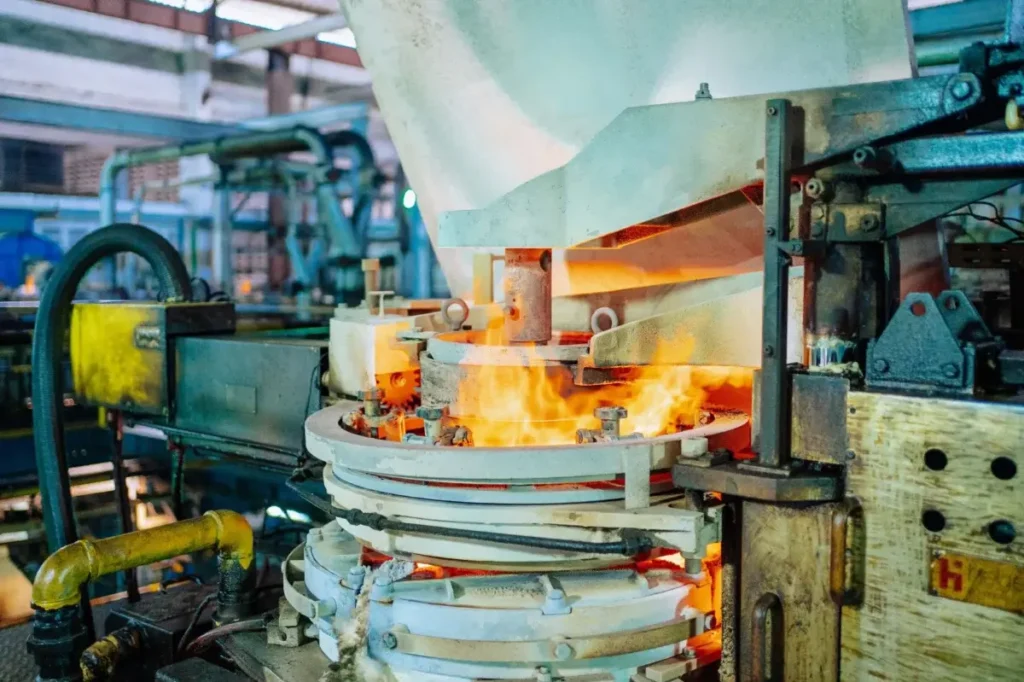
In the rapidly evolving landscape of advanced metallurgy and material science, selecting the optimal thermal processing technology is critical for achieving superior product integrity. Modern manufacturers face complex choices when optimizing their production lines, often evaluating the core differences of a vacuum furnace vs atmosphere furnace. While atmosphere furnaces rely on protective gas envelopes, vacuum systems eliminate impurities entirely, preventing oxidation and decarburization. Partnering with an experienced, global vacuum furnace manufacturer ensures access to the precise thermal profiles required for today’s high-performance engineering materials, where the vacuum sintering process plays a pivotal role in consolidating powder compacts into dense, high-strength components.
For advanced ceramics and refractory metals, specialized sintering systems are required. When choosing a sintering route, engineers frequently compare innovative techniques such as SPS vs hot pressing. Spark Plasma Sintering (SPS) offers rapid heating rates and lower sintering temperatures, making a specialized SPS furnace manufacturer a valuable partner for advanced material R&D. Conversely, for larger components requiring sustained pressure and heat, cooperating with a hot pressing furnace manufacturer remains the industry standard. Another critical evaluation is HIP vs vacuum sintering; while Hot Isostatic Pressing provides 100% theoretical density by applying isostatic gas pressure, vacuum sintering is more cost-effective for complex geometries. Furthermore, understanding vacuum sintering vs pressure sintering helps manufacturers determine whether uniaxial pressure, gas pressure, or pure vacuum is necessary for their specific material systems, such as during silicon carbide sintering, the delicate zirconia sintering process, or the highly precise alumina sintering process. For ultra-hard materials, a robust gas pressure sintering furnace is indispensable for tungsten carbide sintering and high-purity molybdenum sintering, ensuring pore-free microstructures.
Beyond sintering, thermal processing encompasses critical joining and surface modification techniques. A leading vacuum heat treatment furnace manufacturer designs systems that execute the vacuum annealing process to relieve internal stresses, and the vacuum hardening process to achieve optimal wear resistance. For joining dissimilar metals or ceramics without flux, a vacuum brazing furnace manufacturer provides the technology required for a flawless vacuum brazing process. When comparing vacuum brazing vs conventional brazing, vacuum environments eliminate the need for corrosive fluxes, resulting in cleaner, stronger, and void-free joints. For specific metallurgical applications, selecting a vacuum hydrogen furnace allows for decarburization and reduction reactions in a controlled, highly pure reducing atmosphere. When configuring these thermal systems, engineers must evaluate hot zone materials, specifically comparing a graphite furnace vs molybdenum furnace. Graphite hot zones offer excellent thermal uniformity and cost efficiency at extreme temperatures, whereas molybdenum hot zones are mandatory for cleanroom environments and carbon-sensitive materials, such as during advanced titanium alloy heat treatment.
Different industries demand highly tailored thermal solutions to meet strict regulatory and performance standards. In the aerospace sector, safety-critical components rely on an aerospace vacuum furnace for high-temperature operations, while an aerospace heat treatment furnace is utilized to optimize the mechanical properties of turbine blades and structural components. In the medical field, biocompatibility is paramount; thus, a medical implant sintering furnace is used to process orthopedic implants, and a specialized dental implant vacuum furnace ensures the high-purity processing of dental prosthetics. The electronics sector heavily relies on a high-purity semiconductor vacuum furnace to process wafers and advanced packaging materials. Additionally, the green energy transition has driven the demand for specialized battery material sintering furnace technologies to synthesize cathode and anode active materials. Finally, the manufacturing of wear-resistant cutting tools relies on a dedicated carbide tool sintering furnace to achieve the extreme hardness and toughness required for heavy-duty industrial machining.
In conclusion, selecting the right thermal processing equipment requires a deep understanding of material requirements, process parameters, and industry standards. Whether you need to consult a specialized vacuum sintering furnace manufacturer for consolidating powder compacts, or require a versatile sintering setup, partnering with a world-class manufacturing expert is the key to operational success. By aligning your specific process needs with the correct furnace configuration, such as consulting an expert HIP manufacturer for densifying critical aerospace parts, you can achieve unparalleled material properties, maximize throughput, and maintain a competitive edge in today’s demanding global market.