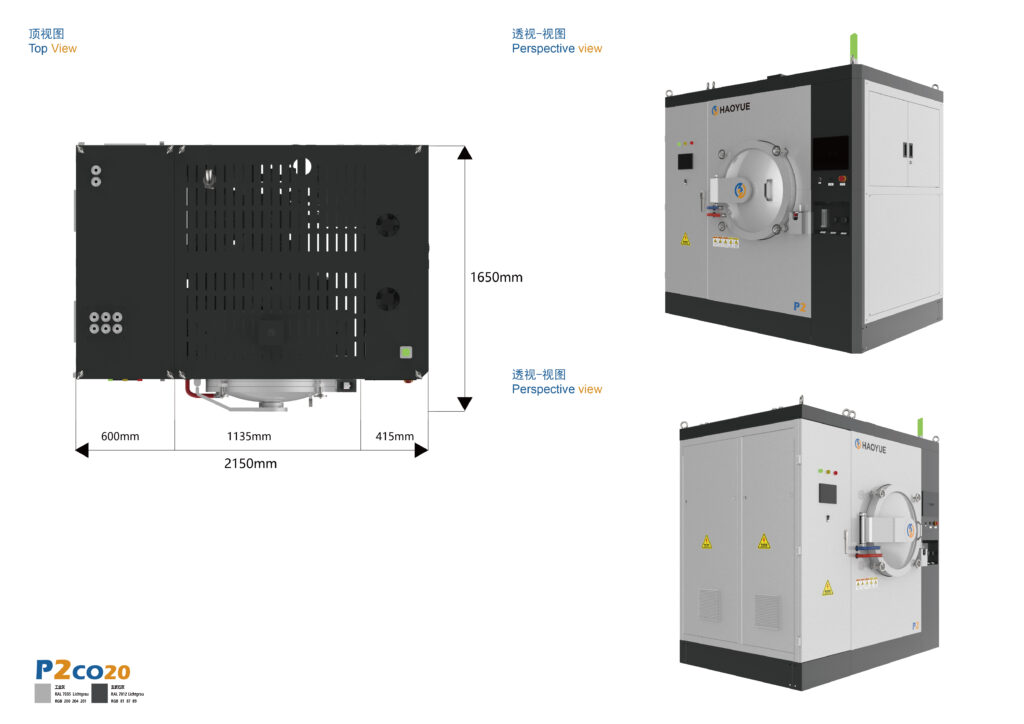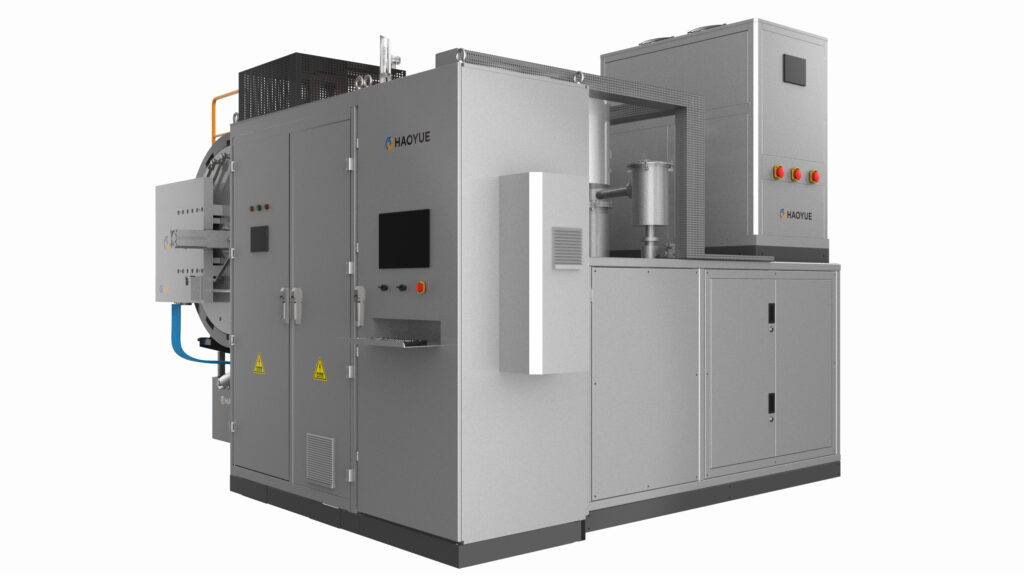






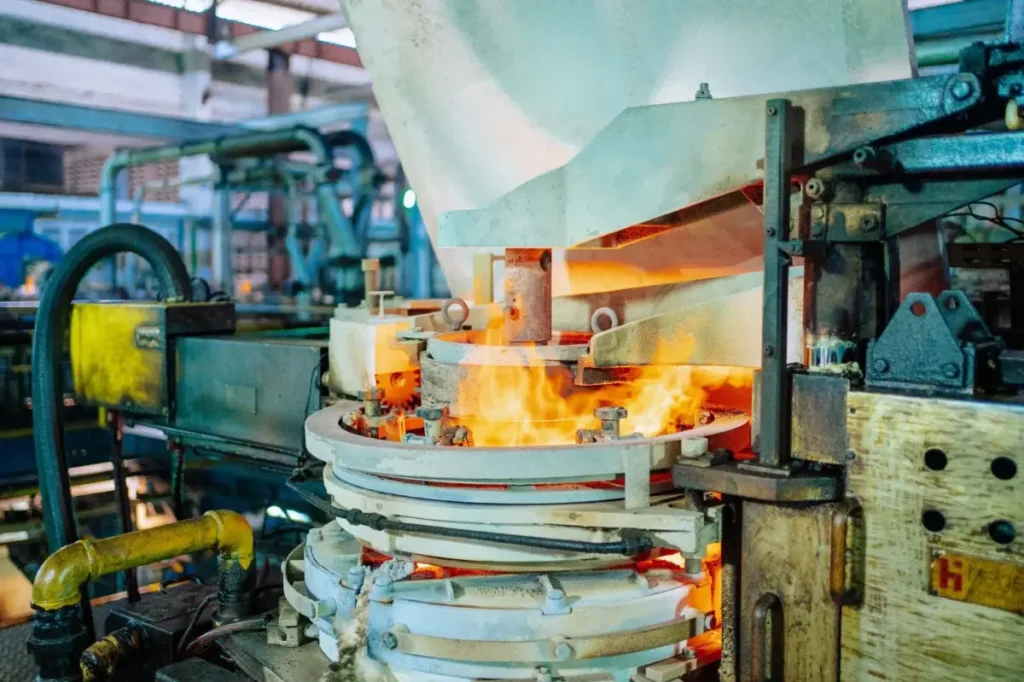
In modern industrial manufacturing, achieving superior material properties requires precise control over thermal environments. Selecting the right industrial equipment, such as partnering with a reputable vacuum furnace manufacturer or a specialized vacuum sintering furnace manufacturer, is paramount for aerospace, medical, semiconductor, and automotive applications. These advanced thermal systems provide the clean, controlled atmospheres necessary to eliminate impurities, prevent oxidation, and ensure uniform material densification.
The Mechanics of Advanced Sintering Processes
At the heart of powder metallurgy and technical ceramics is the vacuum sintering process. This thermal treatment is critical for consolidating powder compacts into high-density solid components. For instance, the demanding requirements of silicon carbide sintering and the high-density alumina sintering process require precise temperature profiles and ultra-clean vacuums to prevent structural defects. Similarly, refining the zirconia sintering process is crucial for medical applications, where a specialized dental implant vacuum furnace or a medical implant sintering furnace is utilized to achieve bio-compatible, high-strength restorations.
For heavy industrial tooling, achieving optimal density during tungsten carbide sintering and refining refractory metals via molybdenum sintering requires robust thermal control. Manufacturers of cutting tools rely heavily on a carbide tool sintering furnace to produce wear-resistant geometries, while energy sectors benefit from innovations in battery material sintering furnace technology to process advanced anode and cathode materials.
Precision Heat Treatment and Vacuum Brazing
Beyond sintering, precise thermal modification of metals is achieved through specialized heat treatment systems. Working with a qualified vacuum heat treatment furnace manufacturer allows engineers to implement exact metallurgical transformations. For example, the vacuum annealing process is widely used for stress relief and recrystallization, while achieving high wear resistance is made possible through the vacuum hardening process. For critical flight components, deploying an aerospace vacuum furnace or utilizing an aerospace heat treatment furnace ensures compliance with strict AMS2750 standards, particularly during titanium alloy heat treatment.
For joining dissimilar metals or complex assemblies, consulting a vacuum brazing furnace manufacturer is highly beneficial. The precision of the vacuum brazing process prevents oxidation and eliminates the need for corrosive fluxes. In high-tech electronics, utilizing a semiconductor vacuum furnace for wafer processing and packaging ensures zero-defect bonding, while using a vacuum hydrogen furnace provides the reducing atmosphere necessary for cleaning and processing specialized alloys.
Key Technology Comparisons for Equipment Buyers
Selecting the appropriate thermal processing method requires a deep understanding of equipment capabilities. Engineers often face several key technological choices:
- SPS vs hot pressing: When evaluating SPS vs hot pressing, spark plasma sintering offers significantly faster cycle times and lower sintering temperatures compared to traditional hot pressing, though consulting an SPS furnace manufacturer or a hot pressing furnace manufacturer will help determine the best fit for specific geometries.
- HIP vs vacuum sintering: In the debate of HIP vs vacuum sintering, hot isostatic pressing provides simultaneous high temperature and isostatic gas pressure to eliminate internal porosity, whereas working with a leading HIP manufacturer provides solutions for critical, zero-defect components that standard vacuum sintering cannot achieve alone.
- Vacuum sintering vs pressure sintering: Comparing vacuum sintering vs pressure sintering reveals that while vacuum sintering is excellent for standard consolidation, integrating a gas pressure sintering furnace is necessary to prevent decomposition of nitrogen-based ceramics.
- Vacuum furnace vs atmosphere furnace: Understanding vacuum furnace vs atmosphere furnace dynamics is essential; vacuum furnaces completely eliminate ambient gases to prevent oxidation, whereas atmosphere furnaces introduce specific protective gases at positive pressures.
- Graphite furnace vs molybdenum furnace: Choosing between a graphite furnace vs molybdenum furnace depends on chemical compatibility; graphite hot zones offer excellent economy and high temperatures but can cause carburization, whereas molybdenum hot zones are ideal for clean, carbon-free requirements.
- Vacuum brazing vs conventional brazing: The advantages of vacuum brazing vs conventional brazing include flux-free joints, minimal distortion, and the ability to join complex, multi-layered assemblies in a single cycle.
Conclusion
Investing in high-performance thermal processing equipment requires a thorough evaluation of material requirements, process parameters, and equipment design. By understanding the nuances of modern sintering and heat treatment technologies, and collaborating with established industry manufacturers, engineering teams can optimize production efficiency, ensure strict quality compliance, and achieve superior material performance.