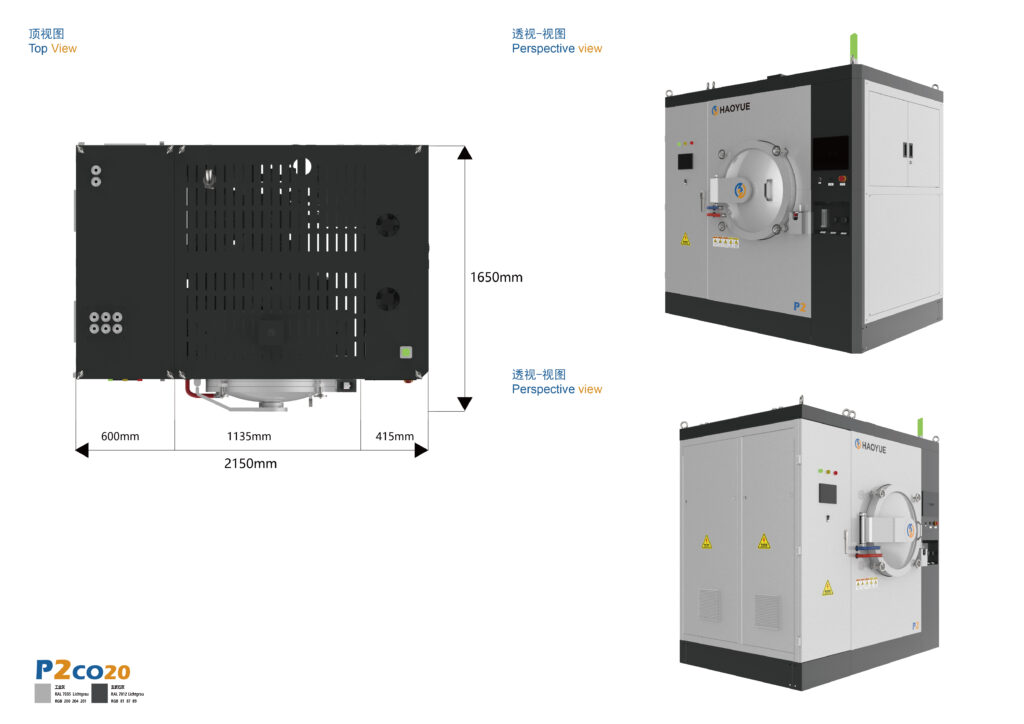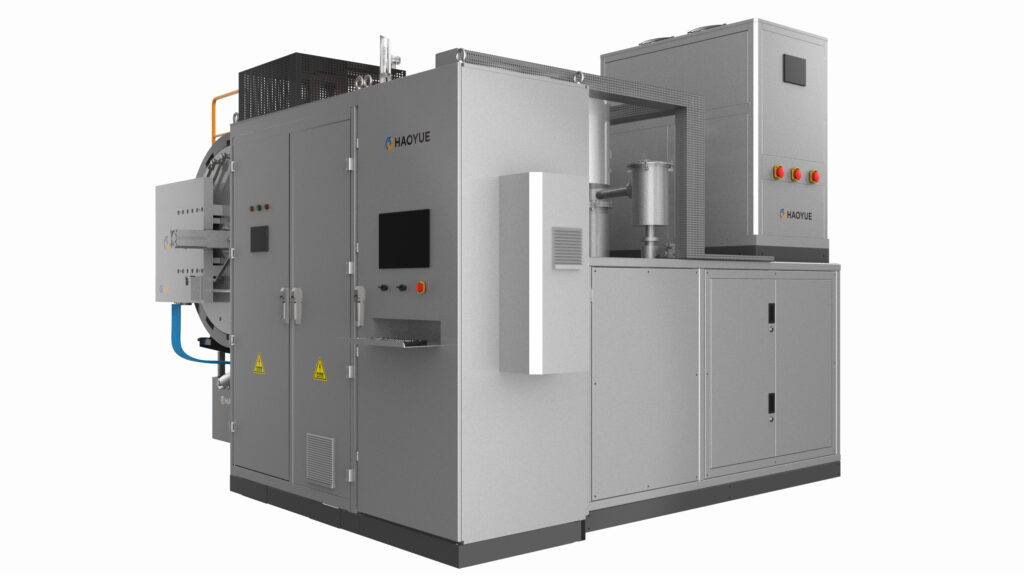






In the rapidly evolving landscape of advanced metallurgy and material science, selecting the right thermal processing equipment is a critical decision for engineers and procurement specialists. Partnering with a premier vacuum furnace manufacturer ensures access to thermal systems capable of achieving extreme temperature uniformity and atmospheric purity. As manufacturing specifications become more stringent, understanding the distinct advantages of various sintering and heat treatment methodologies is essential for maintaining a competitive edge.
Advanced Sintering Technologies: SPS, Hot Pressing, and HIP
When evaluating consolidation methods for advanced ceramics and composite materials, comparing SPS vs hot pressing is a fundamental step. Spark Plasma Sintering (SPS) offers rapid heating rates and significantly shorter cycle times, making a specialized SPS furnace manufacturer a key partner for research institutions and high-throughput production facilities. Conversely, a hot pressing furnace manufacturer provides systems optimized for uniaxial pressure application at elevated temperatures, which is ideal for producing dense, large-scale ceramic matrices.
For post-sintering densification, comparing HIP vs vacuum sintering highlights the benefits of Hot Isostatic Pressing (HIP) in eliminating residual internal porosity. Working with an experienced HIP manufacturer allows industries to achieve near-theoretical density in critical components. In many high-performance applications, executing a vacuum sintering vs pressure sintering evaluation helps engineers determine if overpressure gas is required to suppress thermal decomposition, a capability readily delivered by a modern gas pressure sintering furnace.
Optimizing Advanced Ceramic and Metal Sintering Processes
Precision thermal profiles are paramount for processing high-performance materials. The vacuum sintering process plays a pivotal role in silicon carbide sintering, ensuring high mechanical strength and thermal shock resistance. Similarly, the zirconia sintering process and alumina sintering process require precise atmospheric control to prevent contamination and maintain structural integrity. For refractory metals and hard alloys, specialized cycles such as tungsten carbide sintering and molybdenum sintering require ultra-high temperatures and precise vacuum levels to achieve optimal density and grain structure.
Vacuum Heat Treatment and Precision Brazing
Beyond sintering, surface modification and thermal conditioning demand high-performance systems from a reputable vacuum heat treatment furnace manufacturer. When comparing a vacuum furnace vs atmosphere furnace, vacuum systems offer superior surface brightness, zero oxidation, and minimal distortion. Key thermal cycles include the vacuum hardening process for tool steels, the vacuum annealing process for stress-relieving, and specialized titanium alloy heat treatment for aerospace components.
For joining dissimilar materials, a vacuum brazing furnace manufacturer designs systems that utilize the vacuum brazing process to create high-strength, leak-tight joints without flux. When analyzing vacuum brazing vs conventional brazing, the vacuum method eliminates flux entrapment and post-braze cleaning, making it the gold standard for high-reliability assemblies.
Industry-Specific Thermal Processing Solutions
Different industrial sectors demand highly specialized thermal equipment. The aerospace sector relies on the aerospace vacuum furnace and aerospace heat treatment furnace to meet stringent Nadcap standards for turbine blades and structural components. In the medical sector, a specialized medical implant sintering furnace or a compact dental implant vacuum furnace is used to process biocompatible titanium and zirconia structures.
For green energy and electronics, a battery material sintering furnace is critical for synthesizing advanced anode and cathode powders. The industrial tooling sector utilizes a carbide tool sintering furnace to produce high-performance cutting inserts. In high-tech electronics, a semiconductor vacuum furnace ensures contamination-free processing of wafers and sensors, often utilizing a vacuum hydrogen furnace for clean, reducing atmospheres.
Selecting the Right Furnace Configuration
When designing custom thermal systems, choosing the correct hot zone material is a critical engineering decision. Comparing a graphite furnace vs molybdenum furnace reveals that while graphite offers cost-effective, high-temperature capabilities in vacuum or inert gas, molybdenum hot zones are essential for ultra-clean, carbon-free environments required in semiconductor and medical applications. Consulting with an established vacuum sintering furnace manufacturer will help you determine the optimal configuration for your specific process requirements.