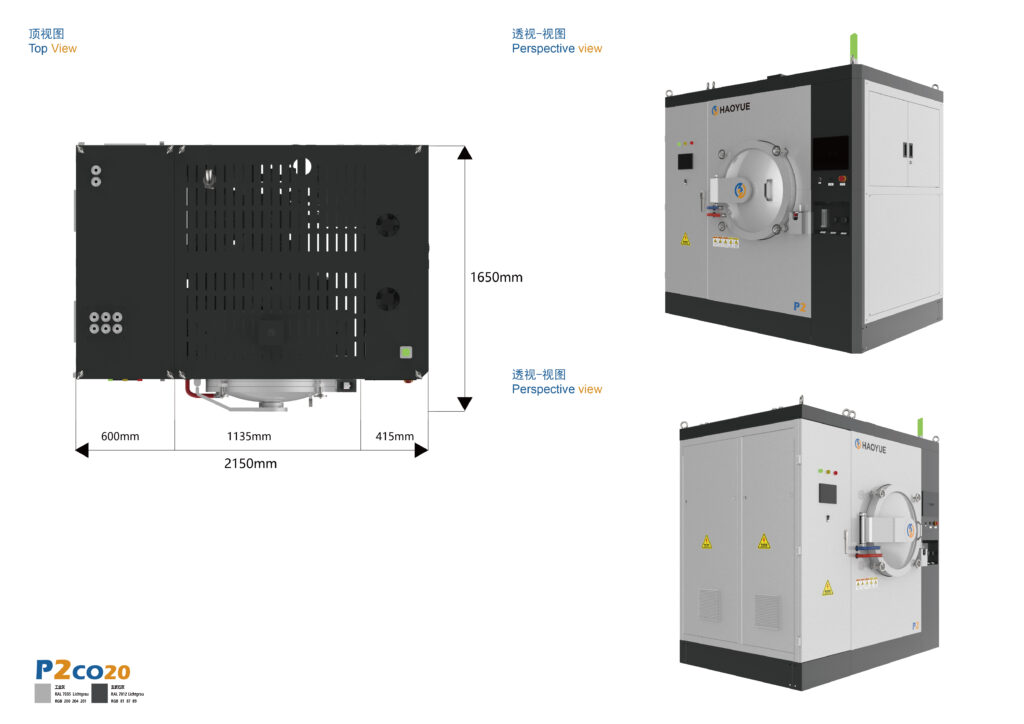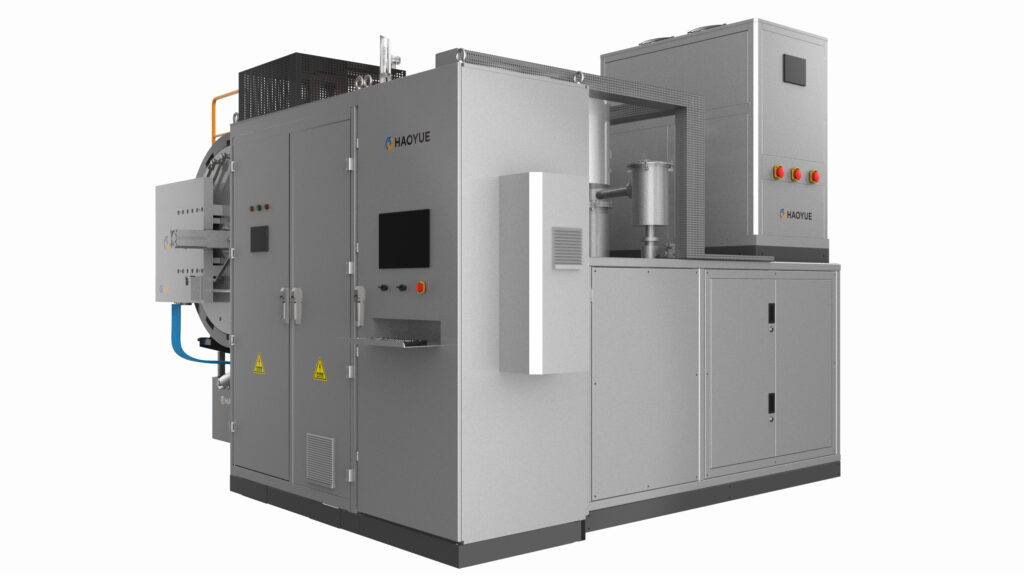






In modern manufacturing, achieving high-performance material properties requires precise control over thermal environments. Choosing the right thermal processing equipment is a critical decision for engineers and procurement specialists. Partnering with an experienced vacuum furnace manufacturer ensures that your thermal systems are engineered to meet strict metallurgical standards. Whether your operations require sintering advanced ceramics, brazing complex assemblies, or performing precise heat treatments, selecting a specialized vacuum sintering furnace manufacturer can significantly impact your production yield, energy efficiency, and component quality.
Sintering Technologies for Advanced Materials
The consolidation of powder compacts into high-density engineered components relies heavily on the chosen vacuum sintering process. For instance, achieving high density in silicon carbide sintering requires precise high-temperature control and uniform heating. Similarly, the zirconia sintering process is critical for dental restorations to ensure optical translucency and mechanical strength, while precision control in the alumina sintering process prevents abnormal grain growth in structural ceramics. For heavy-duty industrial applications, the demanding parameters for tungsten carbide sintering and the high-temperature profiles required for molybdenum sintering necessitate robust thermal systems capable of operating under high vacuum or controlled partial pressures.
When selecting a sintering method, comparing vacuum sintering vs pressure sintering is crucial for determining the final density and mechanical properties of the parts. For ultra-high-density components, evaluating HIP vs vacuum sintering is essential, as Hot Isostatic Pressing provides multi-directional gas pressure to eliminate closed porosity. If your process requires rapid consolidation, consulting an experienced SPS furnace manufacturer or a hot pressing furnace manufacturer can help you evaluate SPS vs hot pressing, where Spark Plasma Sintering offers rapid heating rates compared to traditional uniaxial hot pressing. For materials requiring overpressure to prevent decomposition at high temperatures, utilizing a gas pressure sintering furnace is often the optimal path forward.
High-Performance Vacuum Brazing and Heat Treatment
Joining dissimilar metals and advanced alloys requires clean, flux-free thermal cycles. The vacuum brazing process offers superior joint strength and aesthetic finish without the need for post-braze cleaning. Comparing vacuum brazing vs conventional brazing highlights the superior oxidation prevention, minimal distortion, and excellent joint integrity achieved under vacuum conditions. Working with a specialized vacuum brazing furnace manufacturer allows companies to customize hot zones and cooling systems to match specific alloy melting points.
For structural modifications, relying on a trusted vacuum heat treatment furnace manufacturer ensures precise phase transformations. The vacuum annealing process relieves residual stresses in cold-worked metals, while the vacuum hardening process ensures minimal distortion and clean surfaces for high-strength steels. These processes are particularly critical for the exacting standards of titanium alloy heat treatment, where any atmospheric contamination can lead to embrittlement.
Industry-Specific Applications and Equipment Selection
Different industries require highly tailored thermal solutions to meet regulatory and quality standards:
- Aerospace: Specifying an aerospace vacuum furnace or operating an aerospace heat treatment furnace is mandatory for components that must withstand extreme thermal and mechanical stresses.
- Medical & Dental: Producing biocompatible parts requires high-purity systems, such as using a medical implant sintering furnace or selecting a dental implant vacuum furnace to prevent contamination.
- Semiconductors & Electronics: The strict contamination limits in microelectronics demand the deployment of a high-purity semiconductor vacuum furnace.
- Energy & Tooling: Integrating a battery material sintering furnace optimizes electrochemical performance, while optimizing a carbide tool sintering furnace ensures maximum wear resistance.
The choice between a vacuum furnace vs atmosphere furnace depends on the material’s sensitivity to oxygen and the required surface finish. For highly reactive metals, utilizing a vacuum hydrogen furnace provides an active reducing atmosphere that eliminates surface oxides. Furthermore, analyzing a graphite furnace vs molybdenum furnace helps determine the best hot zone construction; while graphite is cost-effective and robust, molybdenum is essential for carbon-sensitive materials to avoid contamination.
Conclusion
Selecting the right thermal processing system requires a deep understanding of your material requirements, production volumes, and industry standards. By working with a qualified HIP manufacturer or specialized furnace engineers, you can customize your equipment to achieve optimal thermal uniformity, rapid cooling cycles, and long-term operational reliability.