





In the realm of advanced materials science and manufacturing, the ability to achieve rapid densification of powders is a game-changer. Spark Plasma Sintering (SPS) technology stands at the forefront of this innovation, offering unparalleled speed and efficiency compared to conventional methods. For procurement engineers tasked with acquiring the right equipment, understanding the intricacies of an SPS furnace is paramount. This guide delves into the critical features, specifications, and considerations necessary to make an informed decision, ensuring your investment yields optimal performance for your specific material processing needs.
Understanding the Core of Spark Plasma Sintering (SPS) Technology
Spark Plasma Sintering, sometimes referred to as Field Assisted Sintering Technology (FAST) or Pulsed Electric Current Sintering (PECS), is a powder consolidation technique that utilizes a pulsed direct current (DC) to heat a graphite die and the powder compact within it. Simultaneously, a uniaxial pressure is applied. This combination of rapid heating, often exceeding 1000°C per minute, and mechanical pressure allows for densification at lower temperatures and significantly shorter holding times compared to traditional hot pressing or vacuum sintering. The rapid heating minimizes grain growth, leading to fine-grained microstructures and enhanced material properties, making an SPS furnace manufacturer a critical partner in advanced material development.
The Advantages of SPS for Rapid Densification
The primary allure of SPS lies in its ability to achieve rapid densification, which translates into several key benefits:
- Reduced Sintering Time: Processing times can be cut from hours to minutes, significantly increasing throughput.
- Lower Sintering Temperatures: Preserves fine microstructures and prevents decomposition of temperature-sensitive materials.
- Enhanced Material Properties: Fine-grained materials often exhibit superior mechanical, electrical, and thermal properties.
- Processing of Difficult Materials: Successfully densifies materials that are challenging to sinter with conventional methods, such as ceramics, intermetallics, and composites.
- Near-Net Shape Manufacturing: Reduces post-processing requirements.
Critical Features and Specifications for Your SPS Furnace
Selecting the ideal SPS furnace requires a meticulous evaluation of its core components and capabilities. Procurement engineers must look beyond the basic specifications to understand how each feature contributes to the furnace’s overall performance and suitability for their applications.
Power Supply and Control: The Heart of the SPS System
The power supply is arguably the most critical component of an SPS furnace. It delivers the pulsed DC current that drives the rapid heating. Key considerations include:
- Maximum Current and Voltage: These determine the heating rate and the size of the samples that can be processed. Higher current capabilities allow for larger samples or faster heating.
- Pulse Width and Frequency Control: Advanced systems offer precise control over pulse parameters, which can influence heating efficiency and material response.
- Power Supply Configuration: Single-phase vs. three-phase systems. Three-phase systems generally provide more stable and powerful output for larger furnaces.
- Feedback Control Loops: The ability to accurately control temperature, current, and voltage based on real-time feedback is crucial for reproducible results. Look for systems with sophisticated PID control algorithms.
Pressure System: Uniaxial Force for Consolidation
The mechanical pressure applied during SPS is essential for compacting the powder and aiding densification. The pressure system’s capabilities directly impact the types of materials and sample sizes that can be processed.
- Maximum Pressing Force: Typically measured in kN or tons. This dictates the maximum pressure that can be applied to a given die size. Ensure it meets the requirements for your target materials.
- Pressure Control Accuracy: Precise control over pressure (e.g., ±0.5% of full scale) is vital for consistent densification and preventing die failure.
- Stroke Length and Ram Speed: These parameters affect the range of sample heights and the speed at which pressure can be applied or released.
- Die and Punch Material Compatibility: While not part of the furnace itself, the furnace must accommodate various die materials (e.g., graphite, ceramic) and designs.
Temperature Measurement and Control for Precise Processing
Accurate temperature measurement and control are fundamental for achieving desired material properties and reproducibility.
- Pyrometer vs. Thermocouple: Optical pyrometers are typically used for high-temperature measurement, often focused on the surface of the graphite die, while thermocouples (e.g., K-type, R-type) can be used for lower temperatures or specific locations within the die.
- Temperature Range: Ensure the furnace can reach and maintain the required sintering temperatures for your materials.
- Heating Rate Control: The ability to program and precisely control heating and cooling rates is critical for optimizing microstructure.
- Temperature Uniformity: While SPS inherently offers rapid and localized heating, ensuring uniformity across larger samples can be a challenge. Advanced furnace designs and control strategies address this.
Chamber Design and Atmosphere Control
The processing environment within the SPS furnace chamber is crucial for preventing oxidation and contamination, especially for reactive materials.
- Vacuum Capability: A robust vacuum system (e.g., rotary vane pump + turbomolecular pump) is essential for removing atmospheric gases and volatile impurities. Look for achievable vacuum levels (e.g., 10-3 Pa or better).
- Inert Gas Environment: The ability to backfill the chamber with inert gases like argon or nitrogen provides an additional layer of protection for oxygen-sensitive materials.
- Gas Flow Control: Precise control over gas flow rates is important for specific processing atmospheres.
- Chamber Size: Ensure the chamber dimensions can accommodate your maximum sample and die size.
Automation, Software, and User Interface
Modern SPS furnace systems are highly automated, offering significant benefits in terms of ease of use, safety, and data management.
- Intuitive User Interface: A user-friendly HMI (Human-Machine Interface) with clear graphics and easy programming capabilities is vital for efficient operation.
- Recipe Management: The ability to store, recall, and modify processing recipes streamlines experimental work and ensures reproducibility.
- Data Logging and Analysis: Comprehensive data logging of parameters like temperature, pressure, current, voltage, and ram displacement is essential for process understanding, optimization, and quality control.
- Safety Features: Interlocks, emergency stops, and alarms are critical for operator safety and equipment protection.
Material Applications Benefiting from SPS Technology
The versatility of an SPS furnace extends across a wide spectrum of materials, each benefiting uniquely from its rapid densification capabilities:
- Ceramics: High-performance ceramics like alumina, zirconia, silicon carbide, and boron carbide achieve full densification at lower temperatures, retaining fine grain sizes and improving hardness and fracture toughness.
- Metals and Alloys: SPS is excellent for consolidating difficult-to-sinter metals, nanocrystalline metals, and amorphous alloys, producing materials with enhanced strength and ductility.
- Composites: Metal matrix composites (MMCs) and ceramic matrix composites (CMCs) can be densified with minimal reaction between matrix and reinforcement, preserving interfacial integrity.
- Nanomaterials: The rapid heating and short holding times prevent significant grain growth in nanocrystalline powders, maintaining their unique properties.
- Functionally Graded Materials (FGMs): SPS allows for the creation of materials with tailored property gradients by sequentially layering different powders.
Partnering with an Experienced SPS Furnace Manufacturer
The choice of an SPS furnace manufacturer is as crucial as the technical specifications of the equipment itself. An experienced manufacturer offers more than just a machine; they provide expertise, support, and customization that can significantly impact your research and production capabilities. Look for partners with a proven track record, comprehensive after-sales service, and the ability to offer tailored solutions. They should also be knowledgeable about complementary technologies, such as those provided by a hot pressing furnace manufacturer or a vacuum sintering furnace manufacturer, to ensure a complete understanding of your material processing landscape. An industrial vacuum furnace supplier can often provide insights into broader vacuum processing needs.
HAOYUE Furnace Technical Parameters and Real Overseas Project Cases
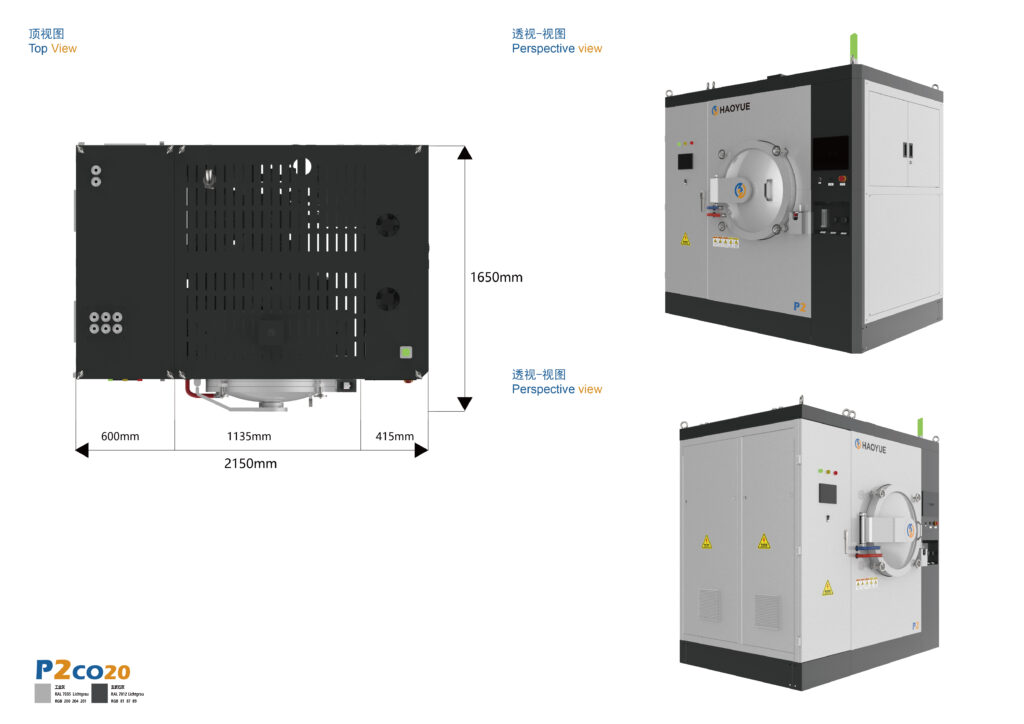
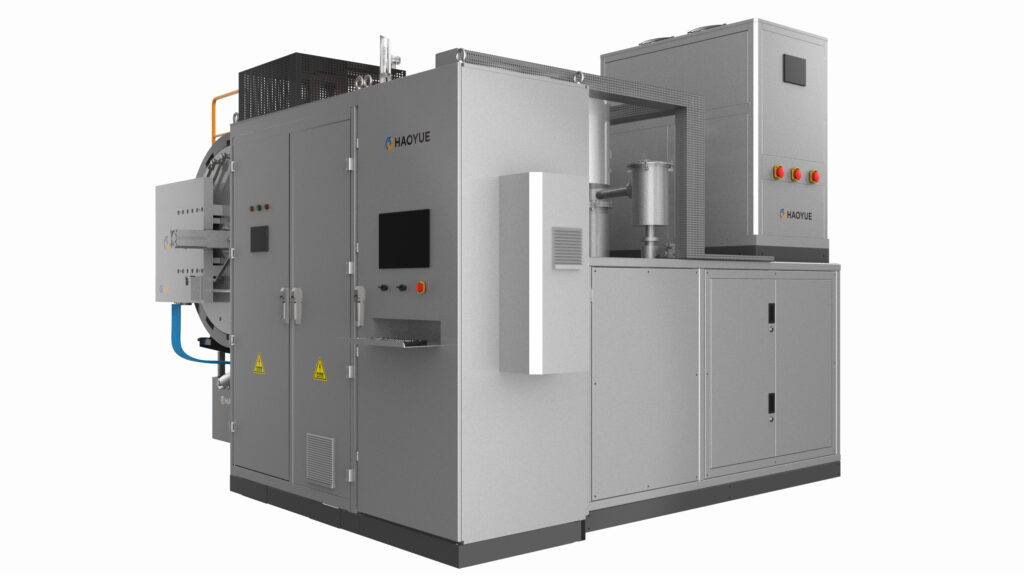
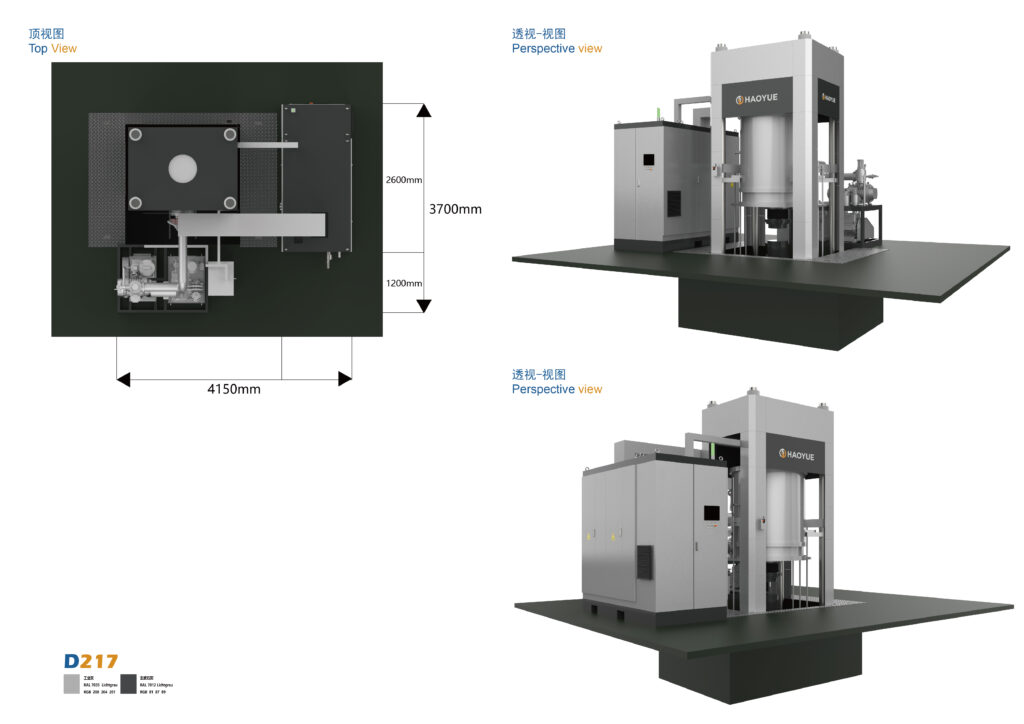
HAOYUE, a leading SPS furnace manufacturer, exemplifies the advanced capabilities required for modern material processing. Their SPS furnace series is designed for high performance and reliability, catering to diverse research and industrial applications. Typical technical parameters include:
- Maximum Sintering Temperature: Up to 2500°C (depending on model and die material).
- Maximum Pressing Force: Ranging from 100 kN to 500 kN, with customized options available.
- Heating Rate: Up to 1000°C/min (depending on sample size and material).
- Working Pressure: 10-3 Pa vacuum with inert gas capabilities.
- Power Supply: High-frequency pulsed DC power supply, up to 100 kA.
- Control System: Fully automatic PLC control with touch screen interface, real-time data acquisition, and recipe management.
- Die Size: Customizable, typically up to φ150mm for standard models.
HAOYUE has successfully deployed its advanced SPS furnaces in various overseas projects, demonstrating their global reach and technical prowess. For instance, a HAOYUE SPS furnace was installed at a prominent research institution in Germany for developing advanced ceramic composites for aerospace applications, enabling rapid prototyping and property optimization. Another project involved providing a custom-built SPS system to a materials production facility in South Korea, specifically for the high-volume manufacturing of thermoelectric materials, significantly reducing production cycles and improving energy conversion efficiency. These cases underscore the reliability and performance of HAOYUE’s equipment in demanding environments, solidifying their reputation as a trusted vacuum furnace manufacturer and vacuum heat treatment furnace manufacturer, capable of delivering solutions for complex material challenges, even extending to those requiring a hot isostatic press manufacturer or a vacuum brazing furnace manufacturer for comprehensive material processing needs.
Frequently Asked Questions (FAQ) about SPS Furnaces
Q1: What types of materials can be processed in an SPS furnace?
An SPS furnace is highly versatile and can process a wide range of materials including ceramics (e.g., alumina, zirconia, silicon carbide), metals and alloys (e.g., titanium alloys, high-entropy alloys, nanocrystalline metals), intermetallics, composites (metal matrix, ceramic matrix), and even polymers and carbon-based materials. Its rapid heating and pressure capabilities make it suitable for materials that are difficult to densify using conventional methods.
Q2: How does SPS differ from conventional hot pressing?
While both SPS and hot pressing use heat and pressure, the key difference lies in the heating mechanism. Hot pressing typically uses external resistance heaters, leading to slower heating rates and longer soaking times. SPS, on the other hand, uses a pulsed DC current passing directly through the graphite die and powder, resulting in extremely rapid internal heating. This allows for lower sintering temperatures, shorter process times, and better preservation of fine microstructures in an SPS furnace.
Q3: What are the main benefits of rapid densification with an SPS furnace?
The main benefits of rapid densification using an SPS furnace include significantly reduced processing times, lower sintering temperatures that prevent excessive grain growth and material degradation, and the ability to achieve superior mechanical and functional properties due to finer microstructures. It also enables the processing of novel or difficult-to-sinter materials.
Q4: What safety considerations are important when operating an SPS furnace?
Operating an SPS furnace involves high currents, high temperatures, and high pressures. Essential safety considerations include proper electrical grounding, shielding to protect against optical radiation, adequate ventilation for any gases or fumes generated, robust pressure relief mechanisms, and strict adherence to manufacturer’s operating procedures. Regular maintenance and calibration of safety interlocks are also critical.
Q5: Can an SPS furnace be customized for specific research or production needs?
Yes, reputable SPS furnace manufacturers often offer customization options to meet specific requirements. This can include variations in maximum pressing force, chamber size, temperature range, power supply capacity, and integration with specialized atmospheric control or in-situ measurement systems. Discussing your specific application with the manufacturer is crucial to determine the best configuration.
The journey to acquiring the optimal SPS furnace is a strategic investment in the future of material innovation. By meticulously evaluating the technical parameters, understanding the nuances of power and pressure control, and recognizing the profound impact an experienced manufacturer can have, procurement engineers can confidently select a system that not only meets current demands but also propels their organization into new frontiers of material science and engineering. The ability to rapidly densify advanced materials with precision and efficiency is no longer a luxury but a fundamental requirement for staying competitive and driving technological progress.
Related Products & Services
- Vacuum Sintering Furnace – Advanced sintering solutions from HaoYue Group.
- SPS Spark Plasma Sintering System – High-performance SPS solutions from HaoYue Group.
- SPS Spark Plasma Sintering System
Looking for high-quality vacuum furnace solutions? Contact HaoYue Group today.
Related Products & Services
- Vacuum Sintering Furnace – Advanced sintering solutions from HaoYue Group.
- SPS Spark Plasma Sintering System – High-performance SPS solutions from HaoYue Group.
- SPS Spark Plasma Sintering System
Looking for high-quality vacuum furnace solutions? Contact HaoYue Group for more information.
Related Products & Services
- Vacuum Sintering Furnace – Advanced sintering solutions from HaoYue Group.
- SPS Spark Plasma Sintering System
- SPS Spark Plasma Sintering System
Looking for high-quality vacuum furnace solutions? Contact HaoYue Group for more information.
Frequently Asked Questions
What factors should be considered when evaluating the power supply for an SPS furnace?
Key considerations include maximum current and voltage, which determine heating rate and sample size. Pulse width and frequency control are crucial for heating efficiency, and the power supply configuration (single-phase vs. three-phase) affects output stability. Feedback control loops with sophisticated PID algorithms are essential for accurate and reproducible results.
How does Spark Plasma Sintering differ from traditional sintering methods?
SPS uses a pulsed direct current to rapidly heat materials, allowing for densification at lower temperatures and shorter holding times. This minimizes grain growth, resulting in fine-grained microstructures and enhanced material properties. Traditional methods like hot pressing involve longer processing times and higher temperatures.
Why is rapid densification an important feature of SPS technology?
Rapid densification significantly reduces processing time from hours to minutes, increasing throughput. It also allows for lower sintering temperatures, preserving fine microstructures and preventing decomposition of temperature-sensitive materials. This leads to enhanced mechanical, electrical, and thermal properties of the materials.
What are the advantages of using SPS for processing difficult materials?
SPS is capable of densifying materials that are challenging for conventional methods, such as ceramics, intermetallics, and composites. Its rapid heating and mechanical pressure facilitate the processing of these materials, often resulting in superior properties and reduced post-processing requirements.
How does the pressure system in an SPS furnace influence material processing?
The mechanical pressure applied during SPS is crucial for compacting the powder and aiding densification. The pressure system's capabilities, such as maximum pressing force, impact the types of materials and sample sizes that can be processed. This force must be aligned with the die size to ensure effective consolidation.