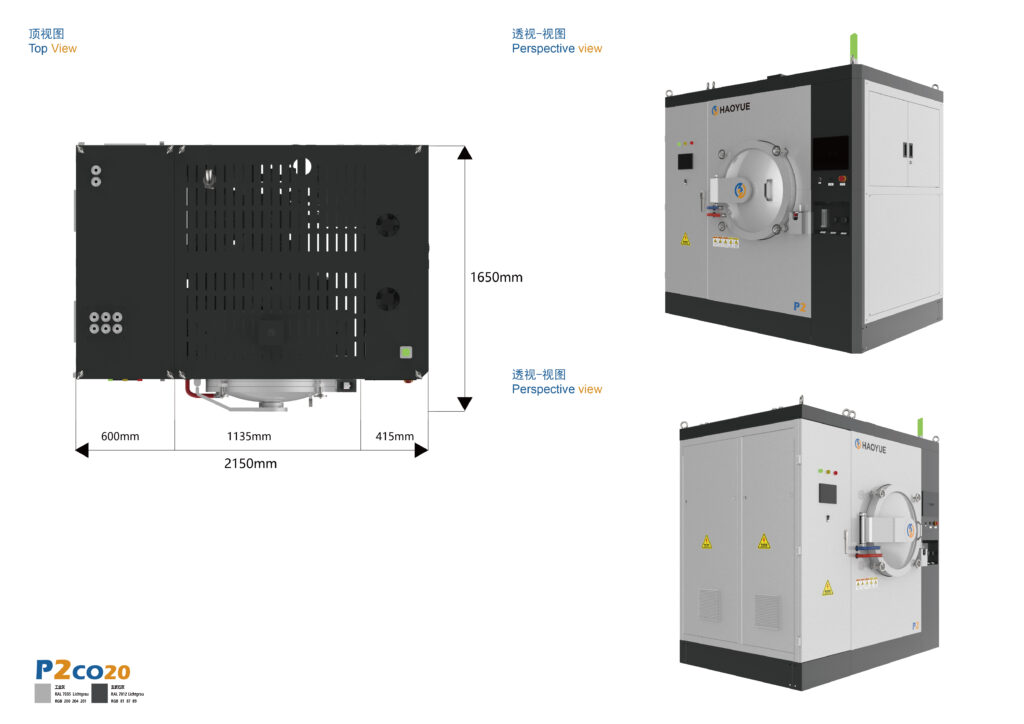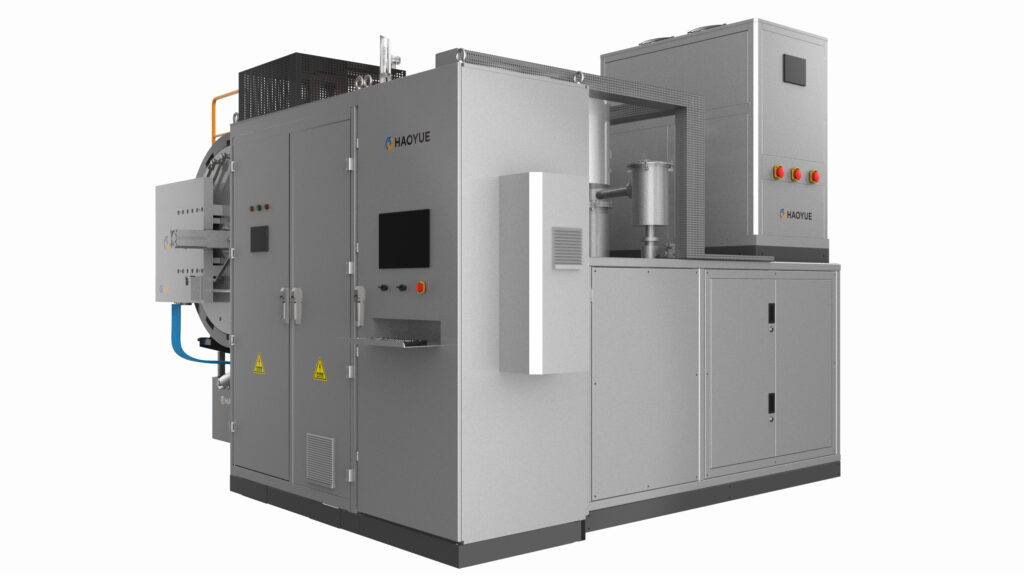






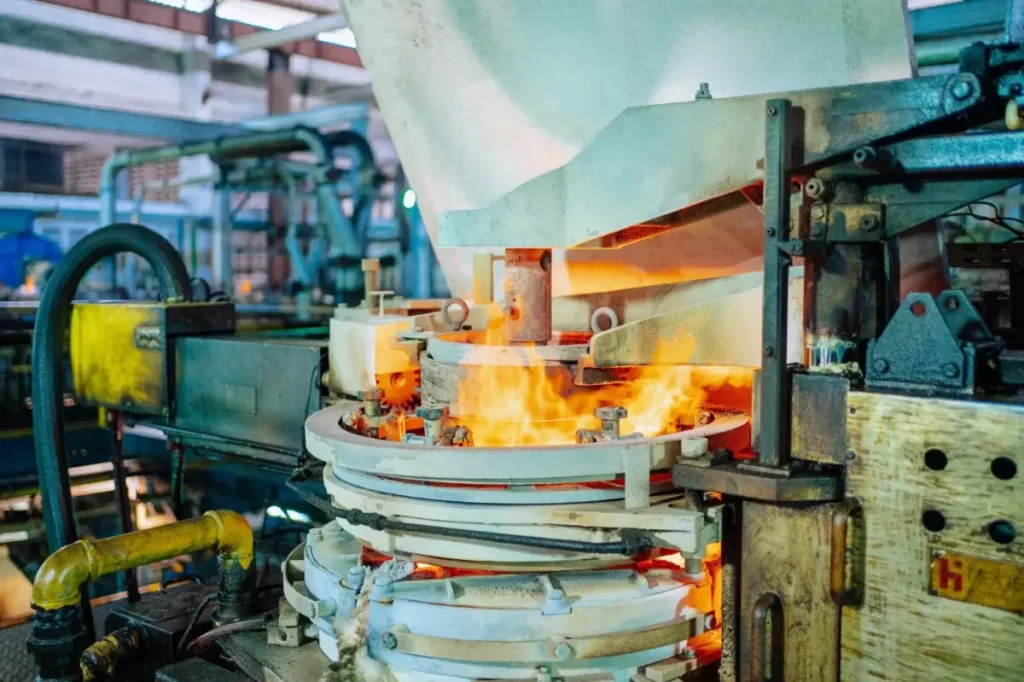
In the demanding world of advanced materials, precision and reliability are paramount. Modern industrial processes, from the creation of high-performance components to the treatment of specialized alloys, rely heavily on sophisticated thermal processing. At the forefront of this innovation is the vacuum furnace, an indispensable tool for achieving superior material properties. As a leading vacuum furnace manufacturer, we understand the intricate requirements across diverse industries, providing cutting-edge solutions for sintering, brazing, and heat treatment.
The core of advanced material fabrication often lies in the vacuum sintering process. This technique is crucial for consolidating powdered materials into dense, solid forms with minimized porosity, leading to enhanced mechanical and physical properties. For applications requiring exceptional purity and controlled atmospheres, a dedicated vacuum sintering furnace manufacturer is essential. Beyond sintering, specialized furnaces facilitate processes like the vacuum brazing process, creating high-integrity joints without oxidation, and critical heat treatments such as the vacuum annealing process and vacuum hardening process, which optimize material microstructure for desired characteristics.
Several specialized furnace types cater to specific industrial needs. An SPS furnace manufacturer, for instance, offers Spark Plasma Sintering systems, renowned for their rapid heating rates and shorter processing times, which are particularly advantageous for novel materials. Similarly, a hot pressing furnace manufacturer provides equipment for processes that combine heat and pressure to achieve high density in challenging materials. For applications demanding extreme densification, a reputable HIP manufacturer (Hot Isostatic Pressing) delivers solutions that apply high pressure and temperature simultaneously, eliminating internal voids. The versatility extends to a vacuum heat treatment furnace manufacturer, who supplies systems for a broad spectrum of thermal processes, and a vacuum brazing furnace manufacturer, specializing in critical joining applications for complex assemblies.
Industry-specific applications further highlight the importance of these advanced furnaces. In the electronics sector, a specialized semiconductor vacuum furnace is vital for processes requiring ultra-high purity and precise temperature control. For clean energy, the vacuum hydrogen furnace plays a role in hydrogen-based annealing and reduction processes. Furthermore, a gas pressure sintering furnace offers an alternative for specific materials where controlled gas atmospheres during sintering are beneficial. These systems are integral to industries like aerospace, where an aerospace vacuum furnace or aerospace heat treatment furnace ensures the integrity of critical components. In the medical field, a medical implant sintering furnace and dental implant vacuum furnace are indispensable for producing biocompatible and durable prosthetics.
The material landscape also dictates furnace choice. Achieving optimal properties in ceramics requires expertise in silicon carbide sintering, zirconia sintering process, and alumina sintering process. For hard metals, precision is key in tungsten carbide sintering and molybdenum sintering. Advanced alloys, such as those used in demanding structural applications, benefit greatly from precise titanium alloy heat treatment. Beyond these, a battery material sintering furnace is crucial for developing next-generation energy storage, and a carbide tool sintering furnace ensures the production of high-performance cutting tools.
Understanding the differentiated advantages of various technologies is crucial for equipment buyers. For instance, comparing SPS vs hot pressing reveals distinct benefits in heating rates and densification mechanisms. Evaluating HIP vs vacuum sintering highlights the superior densification capability of HIP for complex geometries and critical applications. Similarly, the choice between vacuum sintering vs pressure sintering depends on desired material properties and process efficiency. The fundamental distinction of a vacuum furnace vs atmosphere furnace lies in the control over atmospheric contaminants and reactive gases, leading to cleaner, more consistent results in vacuum environments. Material considerations also extend to furnace construction, with the debate of graphite furnace vs molybdenum furnace centering on temperature capabilities, material compatibility, and cost. Finally, the choice of vacuum brazing vs conventional brazing underscores the superior joint quality and absence of flux residues offered by vacuum technology.
The continuous evolution of materials and manufacturing processes necessitates ongoing innovation from equipment suppliers. Choosing a knowledgeable vacuum furnace manufacturer who can provide tailored solutions across these diverse applications ensures not only high-quality products but also optimized processes and competitive advantages. From aerospace to medical implants and semiconductors, advanced vacuum thermal processing remains at the heart of industrial progress.