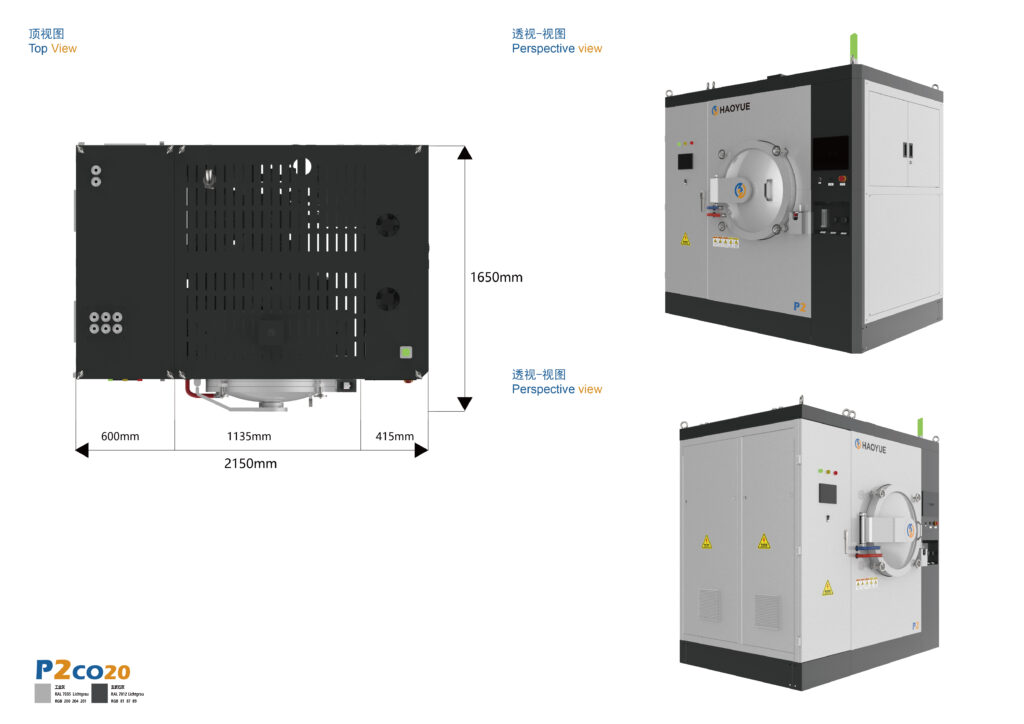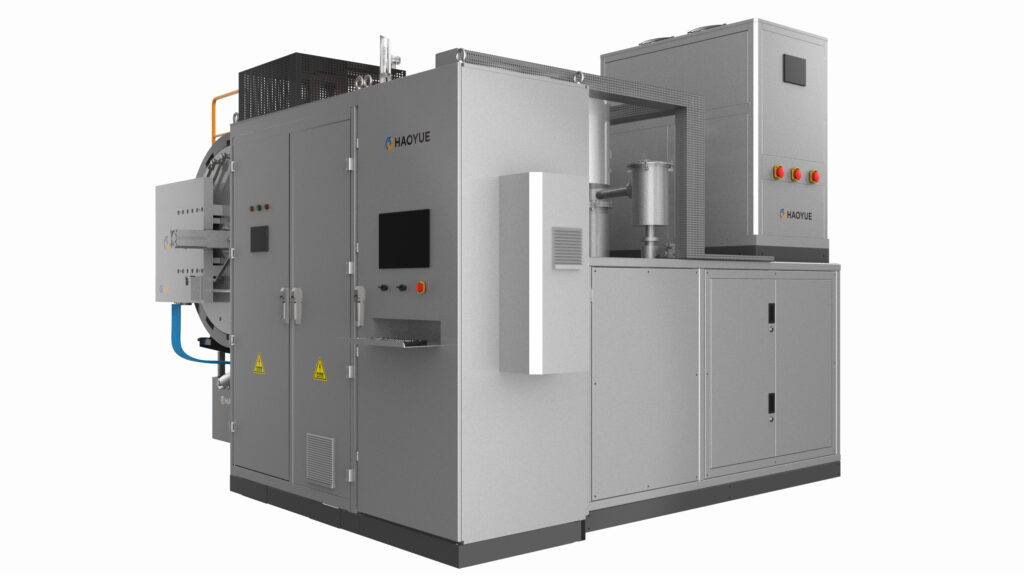






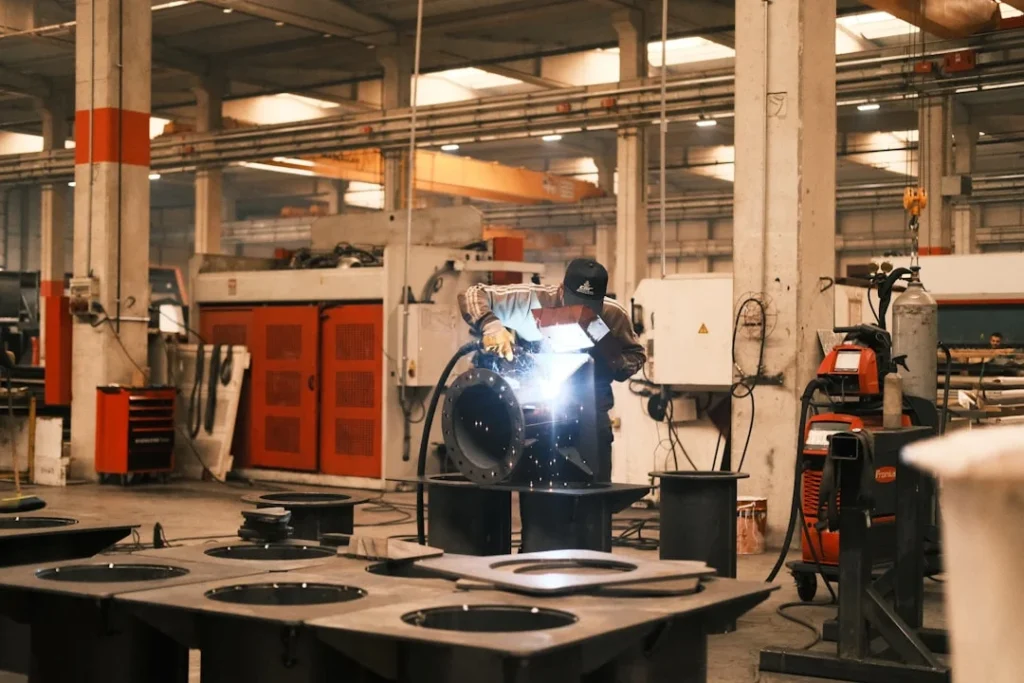
In modern industrial manufacturing, the demand for high-performance materials with exceptional mechanical properties, thermal stability, and wear resistance has never been greater. Achieving these characteristics requires precise control over thermal processing environments. As a leading vacuum furnace manufacturer and vacuum heat treatment furnace manufacturer, we understand that selecting the right equipment and thermal process is critical to the success of your engineering applications. From aerospace metallurgy to medical implants and semiconductor fabrication, advanced vacuum thermal processing plays an indispensable role in defining the future of material science.
Understanding Thermal Environments: Vacuum Furnace vs Atmosphere Furnace
When selecting thermal processing equipment, engineers must first evaluate the operating environment. The comparison of vacuum furnace vs atmosphere furnace highlights the distinct advantages of processing in a vacuum. While atmosphere furnaces introduce protective gases (such as nitrogen or argon) at atmospheric pressure, vacuum furnaces operate under extremely low pressures, removing oxygen and volatile impurities. This ultra-clean environment prevents oxidation, decarburization, and surface contamination, making the vacuum sintering process and vacuum annealing process far superior for reactive metals and high-purity ceramics.
Furthermore, selecting the hot zone material is a critical design decision. When comparing a graphite furnace vs molybdenum furnace, engineers must balance temperature requirements, material compatibility, and purity standards. Graphite hot zones are highly cost-effective and can reach extremely high temperatures, making them ideal for a carbide tool sintering furnace. On the other hand, molybdenum hot zones are essential for cleanroom environments, medical applications, and semiconductor processing, as they do not release carbon dust or cause carbon contamination during operation.
Advanced Sintering Technologies: SPS, Hot Pressing, and HIP
Sintering is the thermal consolidation of powder compacts into dense, solid parts. Depending on the material requirements, different pressure-assisted sintering technologies are employed. A common technological evaluation is SPS vs hot pressing. Spark Plasma Sintering (SPS), facilitated by a specialized SPS furnace manufacturer, utilizes pulsed direct current to heat the material internally, enabling rapid heating rates and shorter cycle times. Conversely, traditional hot pressing, offered by a hot pressing furnace manufacturer, uses external heating elements and mechanical pressure, which is ideal for larger components requiring uniform structural consolidation.
For applications demanding maximum theoretical density and zero porosity, manufacturers often compare HIP vs vacuum sintering. Hot Isostatic Pressing (HIP), provided by an industry-leading HIP manufacturer, applies high-pressure gas isotropically to eliminate internal voids, whereas standard vacuum sintering relies on thermal diffusion. In some cases, a vacuum sintering vs pressure sintering analysis determines that a gas pressure sintering furnace is the optimal middle ground, utilizing moderate gas pressure to suppress material decomposition at high temperatures, which is particularly useful for silicon carbide sintering and other advanced covalent ceramics.
Precision Processes for High-Performance Materials
Different materials demand specialized thermal cycles and atmospheres to achieve their targeted microstructures. Key processes include:
- Silicon Carbide Sintering: Requires ultra-high temperatures, often exceeding 2000°C, to achieve dense structural ceramics used in armor, seals, and semiconductor components.
- Zirconia Sintering Process: Critical for dental and structural ceramics, demanding precise temperature control to manage phase transformations and ensure optical translucency.
- Alumina Sintering Process: Used widely in electrical insulation and wear-resistant parts, requiring uniform heat distribution to prevent grain growth.
- Tungsten Carbide Sintering: Typically performed in a specialized furnace to produce ultra-hard cutting tools and mining equipment.
- Molybdenum Sintering: Involves high-temperature consolidation of refractory metal powders for electronic and aerospace applications.
In addition to sintering, joining technologies like brazing have evolved significantly. When comparing vacuum brazing vs conventional brazing, the vacuum brazing process eliminates the need for corrosive fluxes. By working with an experienced vacuum brazing furnace manufacturer, industries can produce high-strength, leak-proof joints in complex assemblies, such as liquid cooling plates and aerospace heat exchangers, without the risk of residual flux contamination.
Industry-Specific Applications of Vacuum Thermal Processing
The choice of thermal processing equipment is highly dependent on the target industry sector:
Aerospace and Defense
The aerospace sector relies heavily on high-integrity thermal processing. Implementing an aerospace vacuum furnace and an aerospace heat treatment furnace is vital for the titanium alloy heat treatment of critical structural components, turbine blades, and engine parts. Processes such as the vacuum hardening process ensure that these components can withstand extreme mechanical stresses and thermal cycling during flight.
Medical and Dental Devices
Biocompatibility and purity are non-negotiable in medical manufacturing. A specialized medical implant sintering furnace is utilized to process orthopedic implants, while a dental implant vacuum furnace is designed for processing zirconia crowns and titanium dental posts. These vacuum environments ensure that no foreign contaminants compromise the biocompatibility of the implants.
Semiconductors and Clean Energy
The semiconductor industry utilizes a high-purity semiconductor vacuum furnace for wafer annealing, oxide growth, and contact alloying. For energy storage, a battery material sintering furnace is key to synthesizing advanced anode and cathode materials under controlled atmospheres. Additionally, a vacuum hydrogen furnace is frequently deployed for reduction reactions, metalizing, and sintering processes requiring a highly reducing atmosphere to eliminate oxides.
Conclusion: Partnering with the Right Manufacturer
Achieving superior material properties requires a deep understanding of thermodynamics, metallurgy, and equipment engineering. Whether you need to implement a state-of-the-art vacuum sintering furnace manufacturer solution, optimize your thermal cycle, or invest in advanced pressure-assisted sintering, selecting the correct equipment partner is paramount. By choosing an experienced thermal processing partner, you ensure that your production line benefits from maximum energy efficiency, precise temperature uniformity, and long-term operational reliability.