





For procurement engineers and manufacturers operating in high-precision industries, the selection of a vacuum brazing furnace manufacturer is a critical decision that directly impacts product quality, reliability, and operational efficiency. This comprehensive guide delves into the essential considerations for choosing the right vacuum brazing furnace, focusing on critical parameters such as hot zone dimensions, temperature control, and vacuum levels, which are vital for processing various raw materials and filler metals to achieve high-integrity joints.
The Indispensable Role of Vacuum Brazing
Vacuum brazing is a metallurgical joining process that offers significant advantages over traditional welding or other joining methods, especially for components requiring high strength, hermetic seals, and aesthetic finishes. Performed in a controlled vacuum environment, it eliminates oxidation and contamination, leading to exceptionally clean and strong joints. This process is indispensable in industries such as aerospace, medical devices, automotive, and electronics, where component integrity and performance are paramount. The ability of a industrial vacuum furnace supplier to provide a robust vacuum brazing furnace is key to achieving these demanding standards.
Key Considerations When Selecting a Vacuum Brazing Furnace
Choosing the appropriate vacuum brazing furnace involves evaluating several technical and operational factors. A thorough understanding of these aspects ensures that the selected equipment meets current production needs and can adapt to future requirements.
Hot Zone Dimensions and Configuration
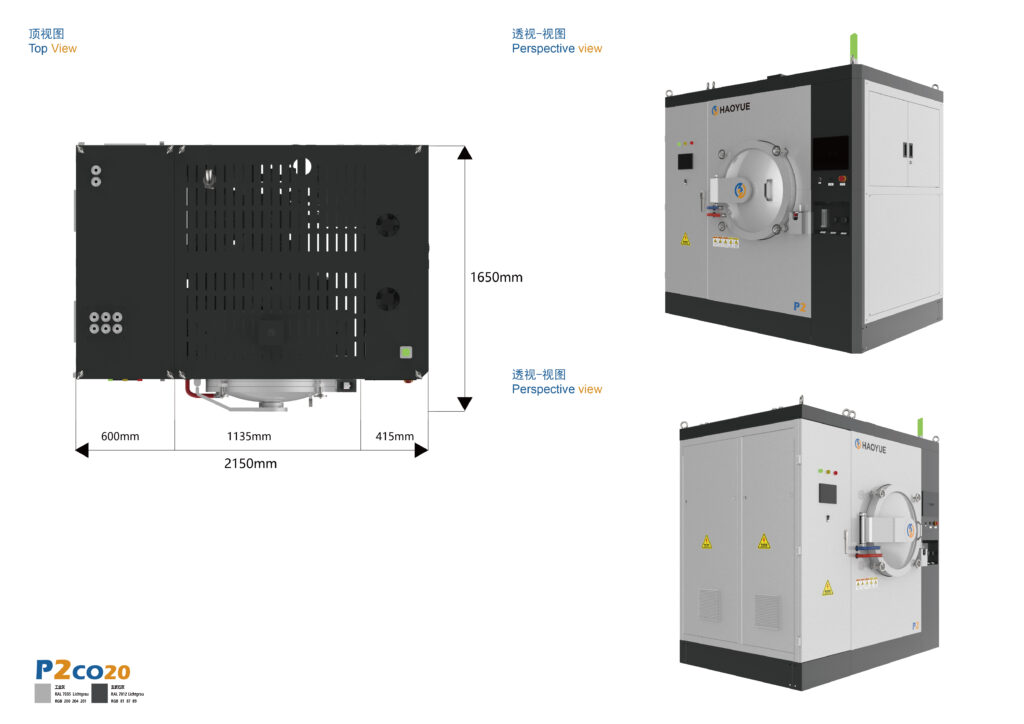
The hot zone is the heart of any vacuum brazing furnace, determining the maximum size and quantity of parts that can be processed in a single cycle. Engineers must precisely define the required working dimensions (length, width, height) based on their largest components or desired batch capacity. Considerations should extend beyond just the part size to include necessary fixturing, which often consumes significant space. Hot zones can be configured in various ways, including horizontal or vertical orientations, each offering specific benefits for loading, unloading, and part support. A horizontal vacuum brazing furnace is generally easier for loading heavy or complex assemblies, while vertical designs can be advantageous for long, slender parts or when floor space is at a premium. Furthermore, understanding the effective working volume versus the total hot zone volume is crucial, as usable space might be constrained by heating element placement or gas nozzle locations.
Precision Temperature Control and Uniformity
Achieving and maintaining precise temperature control and uniformity throughout the hot zone is paramount for successful vacuum brazing. Inconsistent temperatures can lead to incomplete filler metal flow, voids, or thermal stresses in the brazed joint. Modern vacuum brazing furnaces utilize multiple heating zones, often controlled independently, to compensate for heat losses and ensure uniform temperature distribution across the entire workload. PID (Proportional-Integral-Derivative) controllers, coupled with strategically placed thermocouples, provide real-time feedback for accurate temperature management. The furnace’s ability to ramp up and cool down at controlled rates is equally important, preventing thermal shock and ensuring optimal metallurgical properties of the brazed components. Look for systems with advanced software that allows for complex temperature profiles and data logging for process validation and repeatability.
Achieving Optimal Vacuum Levels
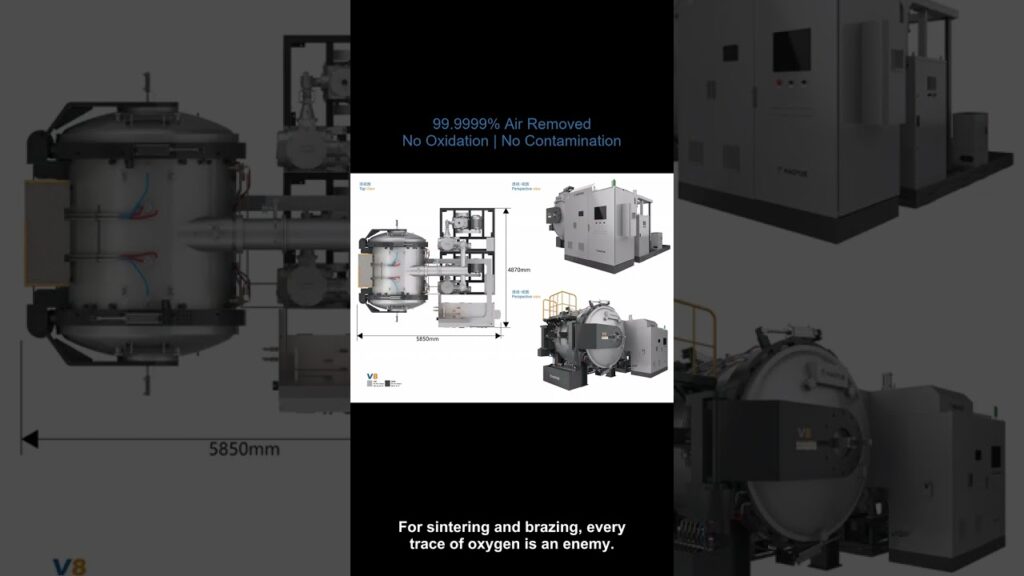
The vacuum system is another critical component of a vacuum brazing furnace, as it directly impacts the cleanliness and quality of the brazed joint. Different materials and filler metals require varying vacuum levels, typically ranging from 10-4 to 10-6 Torr or even higher for ultra-high vacuum applications. The pumping system, usually a combination of roughing pumps (rotary vane, dry screw) and high-vacuum pumps (diffusion, turbomolecular, or cryogenic), must be appropriately sized for the hot zone volume and the outgassing characteristics of the materials being processed. A robust vacuum system ensures the removal of atmospheric gases, impurities, and volatile components, preventing oxidation and promoting excellent wetting and flow of the filler metal. The ability to achieve and maintain these vacuum levels quickly and reliably is a key indicator of a furnace’s efficiency and performance.
Heating Elements and Thermal Insulation
The choice of heating elements and thermal insulation materials significantly influences the furnace’s maximum operating temperature, efficiency, and longevity. Common heating elements include graphite, molybdenum, tungsten, and Kanthal, each suited for different temperature ranges and atmospheres. Graphite elements are popular for their high temperature capabilities and cost-effectiveness in vacuum, while metallic elements like molybdenum are preferred when carbon contamination is a concern. Thermal insulation, typically multi-layered graphite felt, carbon composite, or metallic shielding (molybdenum, stainless steel), minimizes heat loss and contributes to temperature uniformity. The design and quality of these components directly affect the furnace’s energy consumption and maintenance requirements. A well-designed insulation package ensures efficient heat retention and rapid heating cycles, contributing to lower operational costs for a vacuum furnace manufacturer.
Efficient Cooling Systems
After the brazing cycle, controlled cooling is essential to solidify the filler metal, prevent grain growth, and achieve desired material properties without distortion or cracking. Vacuum brazing furnaces typically employ gas quench systems, using inert gases like argon or nitrogen, which are rapidly circulated through the hot zone. The efficiency of the cooling system is determined by the gas pressure, flow rate, and the design of the gas nozzles and heat exchangers. Some furnaces offer advanced features like variable speed fans and multi-directional gas flow to optimize cooling rates for different part geometries and material sensitivities. The ability to rapidly cool parts under vacuum or partial pressure reduces cycle times and enhances productivity, making it a crucial consideration for any vacuum brazing furnace.
Advanced Control Systems and Automation
Modern vacuum brazing furnaces are equipped with sophisticated control systems that offer precise process management, data acquisition, and automation capabilities. PLC-based (Programmable Logic Controller) or PC-based systems allow operators to program complex brazing recipes, monitor critical parameters in real-time, and store process data for quality control and traceability. Features such as graphical interfaces, alarm management, remote diagnostics, and integration with factory-wide SCADA systems enhance operational efficiency and reduce the need for constant manual intervention. Automation can extend to automatic loading/unloading mechanisms, further streamlining production workflows and ensuring consistent results. A robust control system is vital for achieving repeatable, high-quality brazed joints.
Material Compatibility and Filler Metals
The choice of a vacuum brazing furnace must align with the specific raw materials and filler metals intended for processing. Different materials (e.g., stainless steel, copper, nickel alloys, ceramics, refractory metals) have distinct brazing temperature ranges and require specific vacuum environments. The furnace materials themselves (hot zone components, hearth plates) must be compatible with the processing temperatures and potential reactions with filler metal vapors. Understanding the outgassing characteristics of various materials is also crucial for sizing the vacuum pump system. A versatile vacuum brazing furnace should accommodate a range of filler metals, including gold-based, silver-based, copper-based, nickel-based, and active brazing alloys, by offering the necessary temperature uniformity and vacuum integrity.
Safety Features and Compliance
Safety is non-negotiable in any industrial setting. A high-quality vacuum brazing furnace should incorporate comprehensive safety features to protect personnel and equipment. These include interlocks on doors and access panels, over-temperature protection, vacuum failure alarms, emergency stops, and gas leak detection systems. Compliance with international safety standards (e.g., CE, UL, OSHA) is also a critical factor. Discussing the manufacturer’s safety protocols, training programs, and emergency procedures is essential during the procurement process. A responsible vacuum furnace manufacturer will prioritize safety in their designs.
Energy Efficiency and Operational Costs
In today’s competitive landscape, energy efficiency and reduced operational costs are significant drivers for equipment selection. Modern vacuum brazing furnaces are designed with energy-saving features, such as optimized insulation, efficient heating elements, and intelligent control systems that minimize power consumption during holding periods and cool-down cycles. Evaluating the furnace’s power requirements, gas consumption for quenching, and maintenance schedule can provide a clear picture of long-term operational expenses. Investing in a more energy-efficient vacuum brazing furnace, while potentially having a higher upfront cost, can lead to substantial savings over its operational lifespan.
Partnering with a Reputable Vacuum Brazing Furnace Manufacturer
Selecting the right vacuum brazing furnace manufacturer is as important as the furnace specifications themselves. A reputable manufacturer offers more than just equipment; they provide expertise, support, and a commitment to quality. Look for manufacturers with a proven track record, extensive experience in your industry, and strong customer testimonials. They should offer comprehensive technical support, installation services, operator training, and readily available spare parts. Furthermore, a good manufacturer will work with you to customize the furnace to your specific application requirements, ensuring it integrates seamlessly into your production line. For related thermal processing needs, understanding the capabilities of a vacuum heat treatment furnace manufacturer is beneficial, and a vacuum sintering furnace manufacturer may offer solutions for pre-brazing component fabrication.
HAOYUE Furnace Technical Parameters
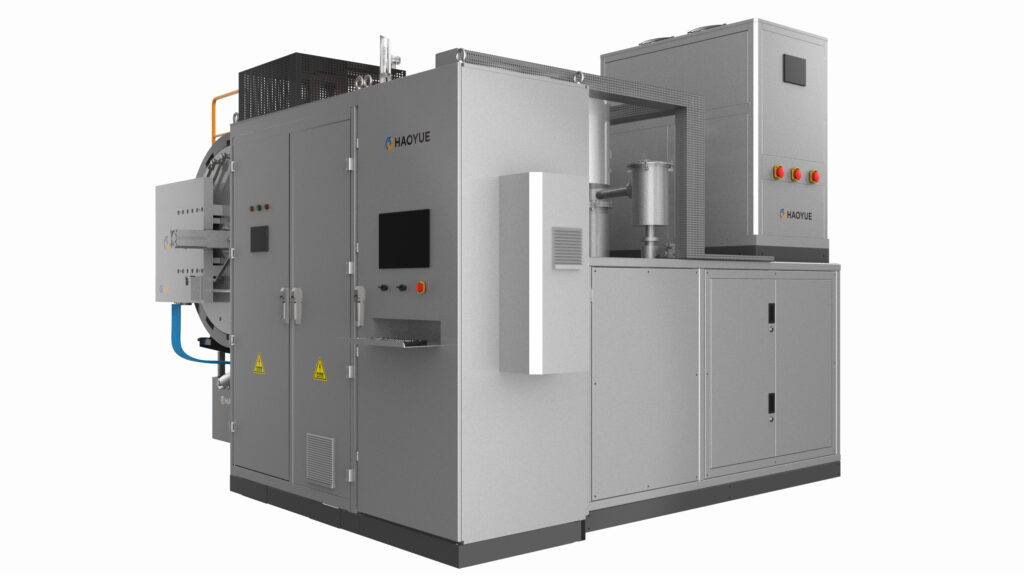
HAOYUE, as a leading vacuum furnace manufacturer, offers advanced vacuum brazing furnaces known for their reliability and performance. Typical technical parameters include:
- Hot Zone Dimensions: Customizable from compact laboratory sizes (e.g., 200x200x300mm) to large industrial scales (e.g., 1000x1000x1500mm), with both horizontal and vertical loading options.
- Max. Operating Temperature: Up to 1600°C (3000°F), with excellent uniformity typically within ±3-5°C across the working zone.
- Ultimate Vacuum: Achievable down to 1 x 10⁻⁵ Torr, with options for ultra-high vacuum systems reaching 1 x 10⁻⁶ Torr or better.
- Heating Elements: High-purity graphite, molybdenum, or tungsten, selected based on application and temperature requirements.
- Insulation: Multi-layered graphite felt or metallic shielding for optimal thermal efficiency.
- Cooling System: High-pressure inert gas quenching (up to 2 bar absolute), with variable speed fan and advanced heat exchanger design for rapid and uniform cooling.
- Control System: Siemens PLC with HMI touchscreen interface, offering multi-segment programmable temperature profiles, real-time data logging, and alarm management.
- Power Supply: Configurable to regional industrial standards (e.g., 380V/50Hz, 480V/60Hz).
- Safety Features: Comprehensive interlocks, over-temperature protection, emergency stop, vacuum interlocks, and CE compliance.
Real Overseas Project Cases
HAOYUE has successfully deployed numerous vacuum brazing furnace solutions globally, demonstrating robust performance and customer satisfaction. One notable project involved supplying a large horizontal vacuum brazing furnace to a prominent aerospace component manufacturer in Europe. This furnace, featuring a 900x900x1200mm hot zone and operating at 1300°C with 10-5 Torr vacuum, was instrumental in brazing complex nickel-alloy turbine components, achieving superior joint strength and minimal distortion. The client reported a significant increase in production throughput and a reduction in post-braze finishing due to the furnace’s excellent temperature uniformity and clean vacuum environment.
Another successful implementation saw HAOYUE deliver a specialized vertical vacuum brazing furnace to a medical device company in North America. This furnace was tailored for brazing titanium and stainless steel assemblies for surgical instruments, requiring precise temperature control and ultra-clean processing to meet stringent biocompatibility standards. The compact design and advanced cooling system allowed for efficient processing of small, delicate parts, ensuring high-integrity, contamination-free joints critical for medical applications. The client praised the furnace’s reliability and the responsive technical support provided throughout the installation and commissioning phases.
Frequently Asked Questions About Vacuum Brazing Furnaces
Q1: What are the primary advantages of vacuum brazing over other joining methods?
A1: Vacuum brazing offers several key advantages, including the ability to join dissimilar materials, produce high-strength and hermetically sealed joints, achieve clean and flux-free assemblies without oxidation, minimize distortion, and process multiple joints simultaneously in a single cycle. It’s ideal for critical applications where joint integrity and aesthetic finish are paramount.
Q2: How do I determine the correct hot zone size for my application?
A2: To determine the correct hot zone size for a vacuum brazing furnace, you need to consider the maximum dimensions of your largest component, including any necessary fixturing. Also, account for the required spacing between parts for uniform heating and cooling. Factor in future production needs and potential component size increases. It’s always advisable to consult with a reputable industrial vacuum furnace supplier to ensure proper sizing.
Q3: What types of materials can be brazed in a vacuum furnace?
A3: A wide range of materials can be vacuum brazed, including stainless steels, nickel alloys, copper and copper alloys, titanium, ceramics, refractory metals (e.g., molybdenum, tungsten), and even dissimilar material combinations. The specific filler metal and brazing parameters will vary depending on the base materials.
Q4: What is the typical maintenance schedule for a vacuum brazing furnace?
A4: Regular maintenance is crucial for the longevity and optimal performance of a vacuum brazing furnace. This typically includes routine checks of the vacuum pump oil, seals, heating elements, thermocouples, and cooling system filters. Periodic cleaning of the hot zone and chamber, calibration of temperature and vacuum sensors, and inspection of electrical components are also necessary. The exact schedule will depend on usage intensity and the manufacturer’s recommendations.
Q5: Can a vacuum brazing furnace be used for other processes like heat treatment or sintering?
A5: While a vacuum brazing furnace is primarily designed for brazing, many modern vacuum furnaces are versatile and can be configured for other thermal processes, such as vacuum heat treatment (annealing, hardening, tempering) or even vacuum sintering, provided they have the necessary temperature range, vacuum capabilities, and gas control options. However, for dedicated processes, specialized equipment from a vacuum heat treatment furnace manufacturer or vacuum sintering furnace manufacturer might offer more optimized performance and efficiency.
The journey to selecting the ideal vacuum brazing furnace is an investment in your company’s future, ensuring the production of components that meet the highest standards of quality and performance. By meticulously evaluating the technical specifications, understanding the operational nuances, and forging a strong partnership with a knowledgeable manufacturer, engineers can confidently procure a system that not only satisfies current demands but also provides the flexibility and reliability required for evolving industrial challenges. The meticulous attention to detail in the selection process ultimately translates into superior product integrity and a significant competitive advantage in the marketplace.
Related Products & Services
- Vacuum Sintering Furnace – Advanced sintering solutions from HaoYue Group.
- Vacuum Brazing Process Guide
- Vacuum Heat Treatment Process Guide
Looking for high-quality vacuum furnace solutions? Contact HaoYue Group today.
Related Products & Services
- Vacuum Sintering Furnace – Advanced sintering solutions from HaoYue Group.
- Vacuum Brazing Process Guide
- Vacuum Heat Treatment Process Guide
Looking for high-quality vacuum furnace solutions? Contact HaoYue Group for more information.
Related Products & Services
- Vacuum Sintering Furnace – Advanced sintering solutions from HaoYue Group.
- Vacuum Brazing Process Guide
- Vacuum Heat Treatment Process Guide
Looking for high-quality vacuum furnace solutions? Contact HaoYue Group for more information.
Frequently Asked Questions
Why is vacuum brazing preferred over traditional welding in high-precision industries?
Vacuum brazing offers significant advantages such as high strength, hermetic seals, and clean joints by eliminating oxidation and contamination. This makes it ideal for industries like aerospace and medical devices where component integrity is crucial.
How do hot zone dimensions affect the vacuum brazing process?
The hot zone determines the maximum size and quantity of parts processed per cycle. Engineers must consider dimensions for their largest components and fixturing, which impacts space. Configuration choices, like horizontal or vertical, affect loading and unloading efficiency.
What role does temperature control play in vacuum brazing?
Precision temperature control ensures complete filler metal flow and prevents thermal stresses. Modern furnaces use multiple heating zones and PID controllers for uniform temperature distribution, crucial for high-quality brazed joints and optimal metallurgical properties.
How does the vacuum level influence the quality of brazed joints?
The vacuum level impacts joint cleanliness and quality. Different materials require specific vacuum levels, usually between 10-4 to 10-6 Torr. A robust vacuum system ensures the desired atmospheric conditions are maintained for optimal brazing results.
What are the benefits of horizontal versus vertical hot zone configurations?
Horizontal configurations facilitate easier loading of heavy or complex assemblies, while vertical designs are better for long, slender parts or when conserving floor space. The choice depends on the specific part requirements and operational constraints.