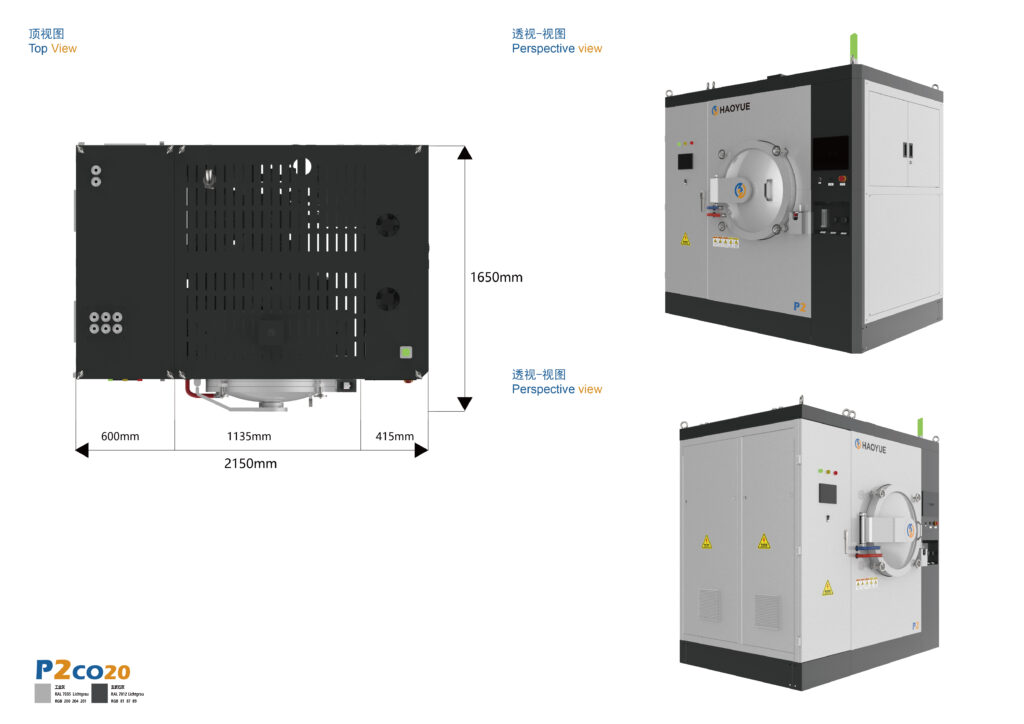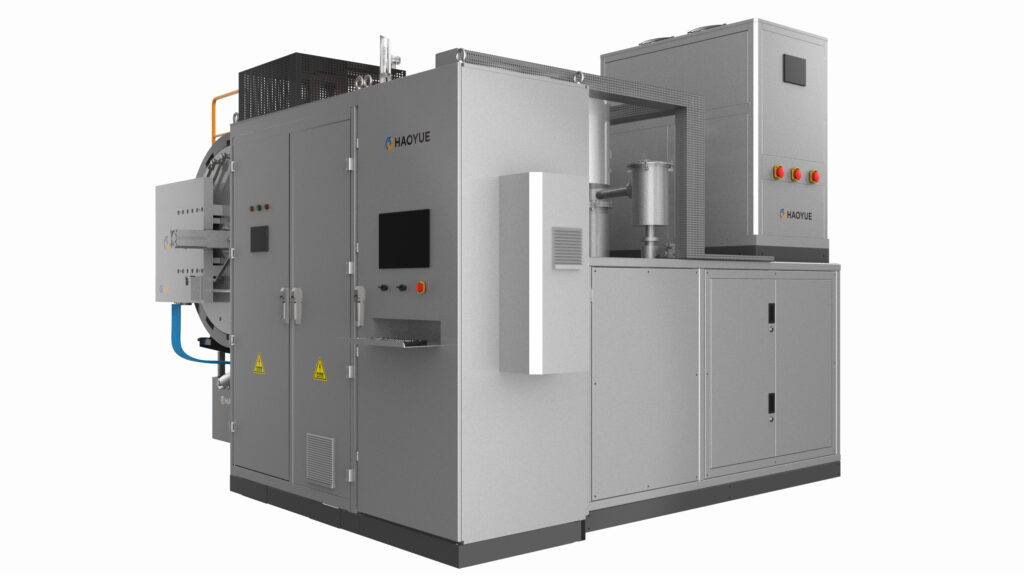






In modern industrial manufacturing, achieving superior material properties requires precise control over thermal environments. Choosing the right equipment and thermal processing methods is critical for engineers and procurement specialists looking to optimize production efficiency and component durability. Partnering with an experienced vacuum furnace manufacturer or a dedicated vacuum sintering furnace manufacturer is the first step toward securing reliable, high-performance thermal systems that meet stringent international standards.
Optimizing Advanced Ceramics and Powder Metallurgy
Advanced ceramics and powder metallurgy parts demand precise atmosphere control to eliminate impurities and achieve theoretical density. When evaluating system designs, understanding the differences between a vacuum furnace vs atmosphere furnace is fundamental; vacuum systems prevent oxidation and contamination, which is essential during the high-temperature vacuum sintering process. For instance, advanced materials like structural ceramics require specialized profiles such as silicon carbide sintering or a precise alumina sintering process to prevent microstructural defects.
For medical and dental applications, biocompatibility and structural integrity are paramount. Utilizing a dedicated medical implant sintering furnace or a high-precision dental implant vacuum furnace ensures that the zirconia sintering process yields flawless, high-density restorations and orthopedic components. When standard sintering is insufficient to eliminate residual porosity, manufacturers often evaluate advanced densification methods. Comparing HIP vs vacuum sintering helps engineers decide if hot isostatic pressing is necessary, prompting collaboration with a specialized HIP manufacturer to achieve near-zero porosity. Alternatively, for rapid consolidation of advanced materials, consulting an SPS furnace manufacturer or a hot pressing furnace manufacturer allows buyers to analyze SPS vs hot pressing technologies for rapid, low-temperature consolidation.
High-Performance Tooling and Gas Pressure Sintering
In the tooling and cutting-edge wear parts sector, achieving maximum hardness and toughness is a constant challenge. The production of heavy-duty cutting inserts relies heavily on tungsten carbide sintering and highly controlled molybdenum sintering cycles. For these applications, a specialized carbide tool sintering furnace or an advanced gas pressure sintering furnace is typically utilized. When selecting the optimal thermal profile, analyzing vacuum sintering vs pressure sintering is critical, as overpressure during the cooling phase can significantly reduce micro-voids, enhancing the mechanical properties of the finished tool.
Precision Joining and Advanced Aerospace Heat Treatment
High-integrity assembly of dissimilar metals or complex geometries often requires specialized thermal joining. The vacuum brazing process has emerged as the gold standard for critical assemblies, offering clean, flux-free joints. When comparing vacuum brazing vs conventional brazing, the vacuum alternative eliminates the risk of corrosive flux residue and oxidation, making it indispensable for high-tech applications. Industrial buyers frequently consult a certified vacuum brazing furnace manufacturer to design custom fixtures and heating profiles that guarantee leak-tight joints.
The aerospace sector operates under the most stringent quality frameworks, where component failure is not an option. Processing turbine blades, engine components, and structural elements requires a specialized aerospace vacuum furnace or a dedicated aerospace heat treatment furnace. These systems are engineered to execute highly precise thermal cycles, including the vacuum annealing process, the vacuum hardening process, and complex titanium alloy heat treatment protocols to optimize fatigue strength and creep resistance.
Specialized Thermal Solutions for Semiconductor and Energy Sectors
As technology transitions toward green energy and advanced microelectronics, thermal processing equipment must adapt. A high-purity semiconductor vacuum furnace is essential for wafer processing and sensor manufacturing, while a high-capacity battery material sintering furnace is critical for synthesizing active anode and cathode materials. Furthermore, working with reactive metals or performing decarburization requires a specialized vacuum hydrogen furnace to maintain reducing atmospheres safely.
Ultimately, selecting the right heating chamber configuration is a pivotal decision for any vacuum heat treatment furnace manufacturer. Engineers must carefully weigh the pros and cons of a graphite furnace vs molybdenum furnace. While graphite hot zones offer excellent thermal uniformity and cost-efficiency at extreme temperatures, molybdenum hot zones are mandatory for processing medical implants, aerospace alloys, and electronics where carbon contamination must be completely avoided. By selecting the correct hot zone material and partnering with an authoritative thermal processing specialist, industrial buyers can ensure long-term operational success and superior product quality.