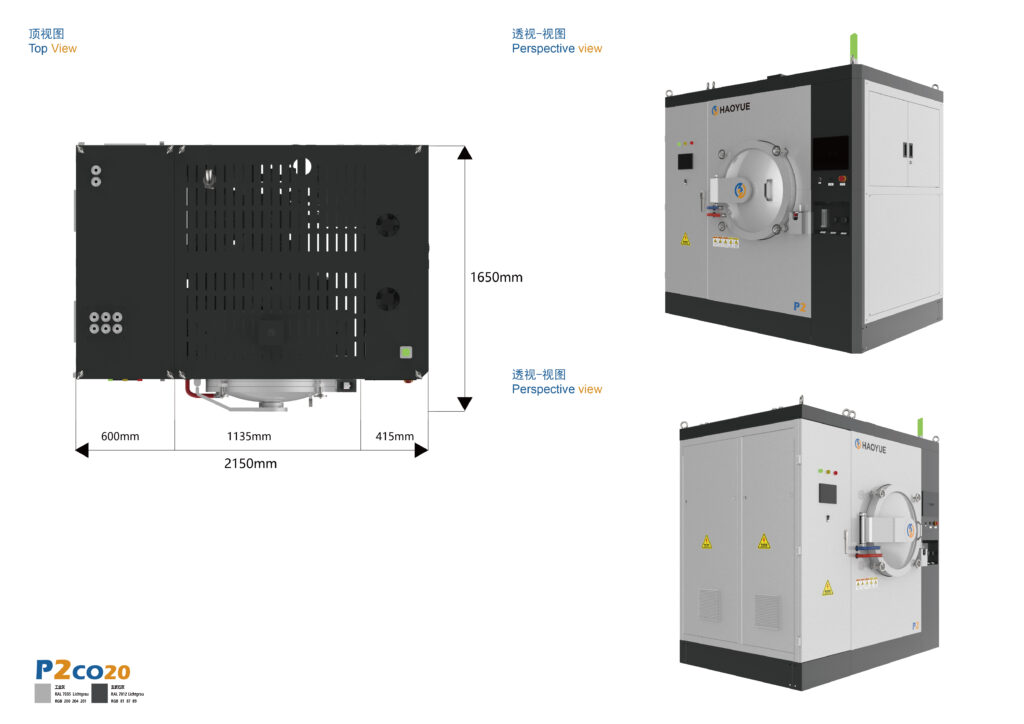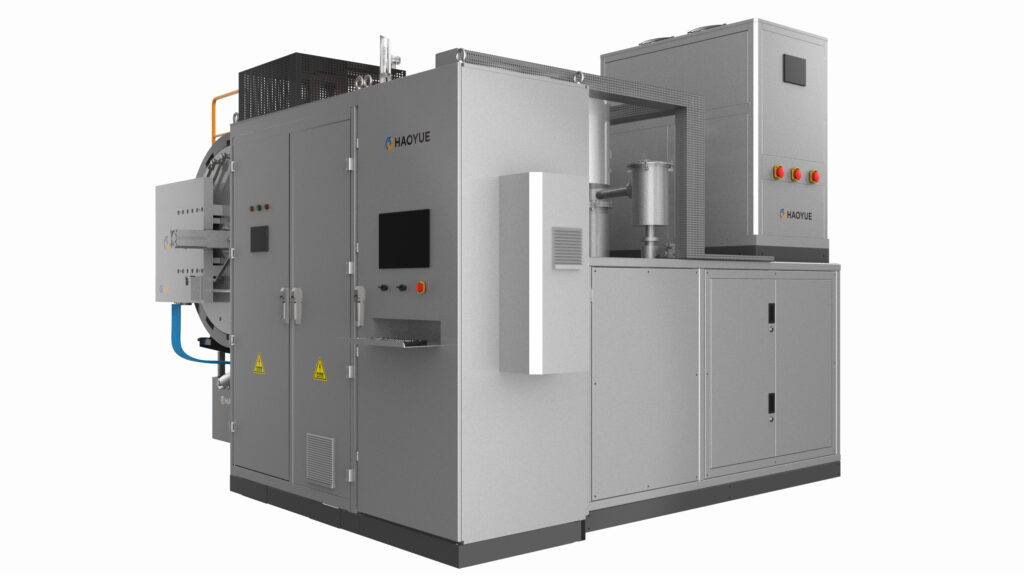






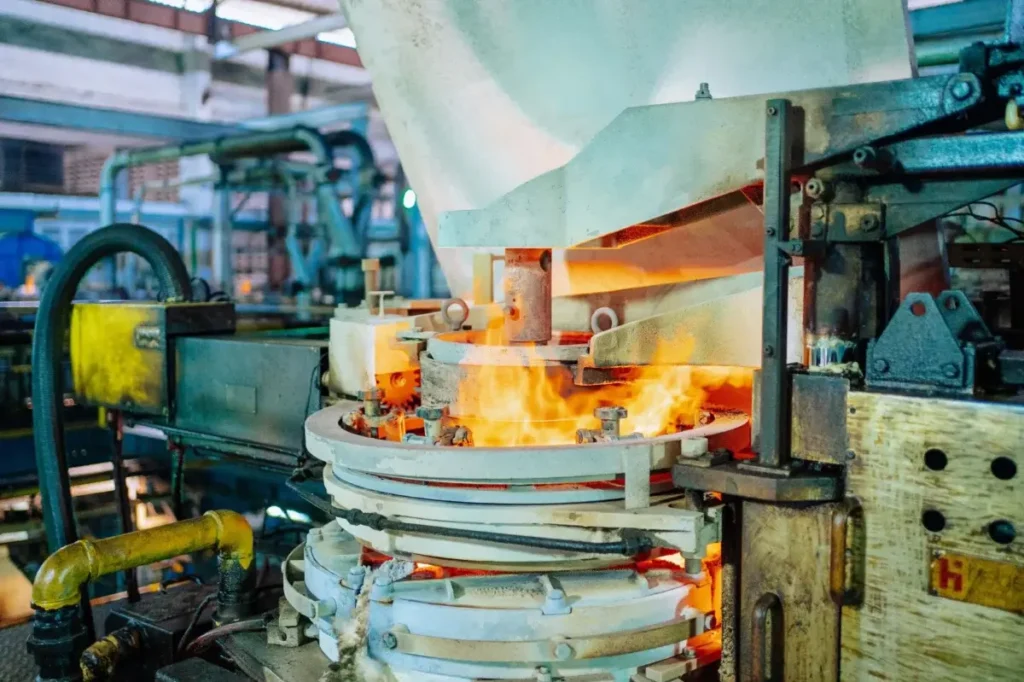
In modern manufacturing, achieving superior material properties requires precise control over thermal environments. As a leading vacuum furnace manufacturer, we understand that selecting the appropriate thermal processing system is critical for engineering advanced components. Whether you are evaluating a vacuum sintering furnace manufacturer for powder metallurgy or seeking a vacuum heat treatment furnace manufacturer for aerospace-grade alloys, understanding the underlying thermodynamics and system configurations is essential. High-performance industries rely on specialized equipment, such as a vacuum hydrogen furnace for reducing oxide layers or a gas pressure sintering furnace for dense ceramics, to meet stringent quality standards.
Optimizing Advanced Sintering and Consolidation Processes
The choice of thermal cycle directly influences the microstructure of advanced materials. For instance, the vacuum sintering process is widely utilized in powder metallurgy to eliminate porosity without oxidation. This is particularly crucial in technical ceramics, such as silicon carbide sintering, zirconia sintering process, and alumina sintering process applications where high purity is non-negotiable. For refractory metals and hard alloys, precise control during tungsten carbide sintering and molybdenum sintering ensures optimal hardness and wear resistance.
When comparing consolidation methods, engineers often evaluate vacuum sintering vs pressure sintering to balance cost and density, or analyze SPS vs hot pressing (Spark Plasma Sintering) when rapid consolidation of nanostructured materials is required. In these cases, partnering with an experienced SPS furnace manufacturer or a specialized hot pressing furnace manufacturer can dramatically accelerate production cycles.
Precision Heat Treatment and Advanced Joint Technologies
Beyond sintering, precise thermal modification of metallic components is vital for structural integrity. Implementing a controlled vacuum annealing process relieves internal stresses in cold-worked metals, while a robust vacuum hardening process enhances wear resistance in tool steels. For aerospace and defense, a dedicated aerospace heat treatment furnace is indispensable for executing complex titanium alloy heat treatment cycles that meet Nadcap requirements.
Furthermore, joining critical components requires advanced bonding techniques. Utilizing a vacuum brazing process within a high-vacuum environment prevents oxidation and ensures leak-tight joints, prompting many high-tech firms to consult a certified vacuum brazing furnace manufacturer. When evaluating assembly methods, the debate of vacuum brazing vs conventional brazing highlights the superior joint strength and cleanliness achieved under vacuum conditions.
Industry-Specific Thermal Solutions and Equipment Architectures
Different sectors demand highly tailored thermal solutions. In the medical sector, a specialized medical implant sintering furnace or a compact dental implant vacuum furnace is required to process biocompatible titanium and zirconia restorations. In the energy sector, a battery material sintering furnace plays a pivotal role in synthesizing advanced anode and cathode powders. For heavy tooling, a carbide tool sintering furnace ensures the precise densification of cutting inserts. The rapidly expanding microelectronics sector relies heavily on a specialized semiconductor vacuum furnace to process wafers and package sensitive components.
To achieve ultimate density in high-stress applications, manufacturers often look to a HIP manufacturer to implement Hot Isostatic Pressing, analyzing HIP vs vacuum sintering to determine if post-sinter containerless HIPing is required for pore elimination. Selecting the correct furnace architecture is just as critical as the process itself. Engineers must weigh the advantages of a vacuum furnace vs atmosphere furnace based on gas purity requirements and oxidation sensitivity. Furthermore, the choice of heating chamber materials is a crucial decision, specifically graphite furnace vs molybdenum furnace configurations. Graphite hot zones offer excellent cost-efficiency and high-temperature capability in non-reactive environments, whereas molybdenum hot zones are mandatory for ultra-clean applications, such as in an aerospace vacuum furnace, where carbon contamination must be strictly avoided.
Conclusion
Optimizing your thermal processing workflow requires a deep understanding of material characteristics, process requirements, and equipment capabilities. From selecting the ideal hot zone configuration to determining the optimal sintering pressure, partnering with an established global manufacturer ensures your thermal systems deliver consistent, repeatable, and high-yield results across all industrial applications.