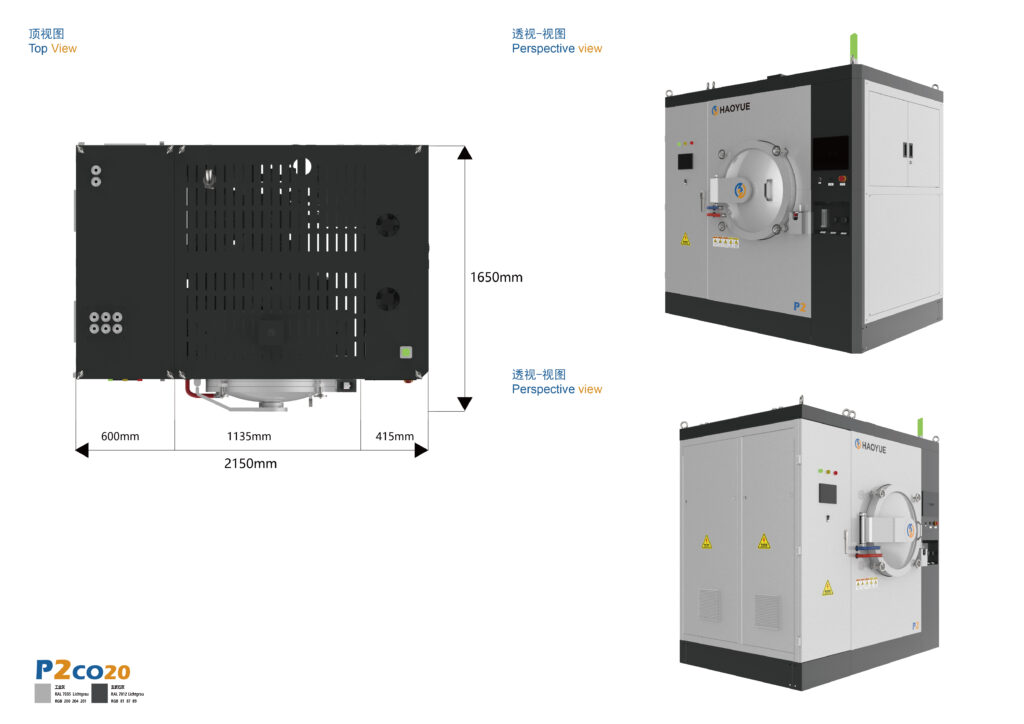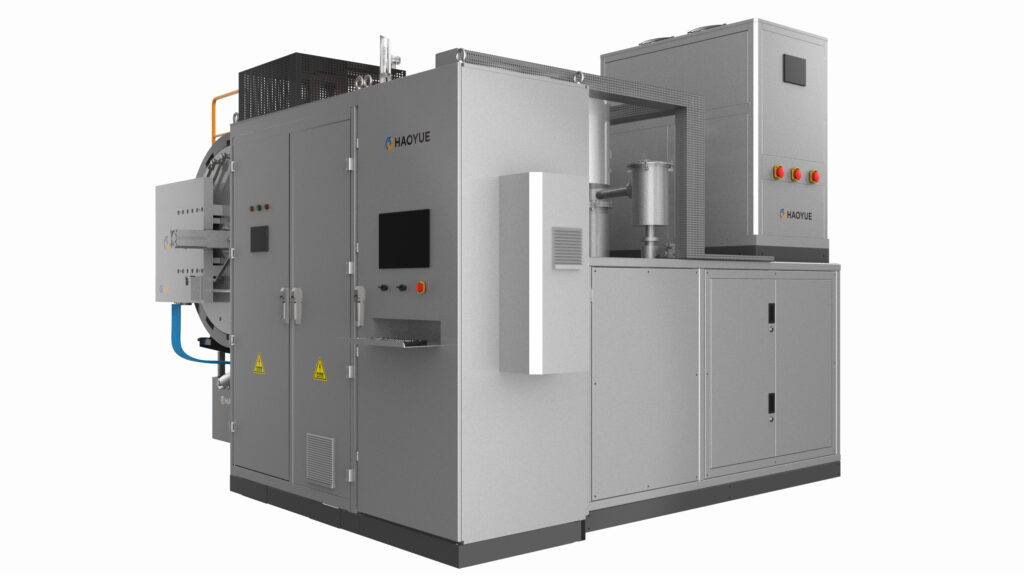






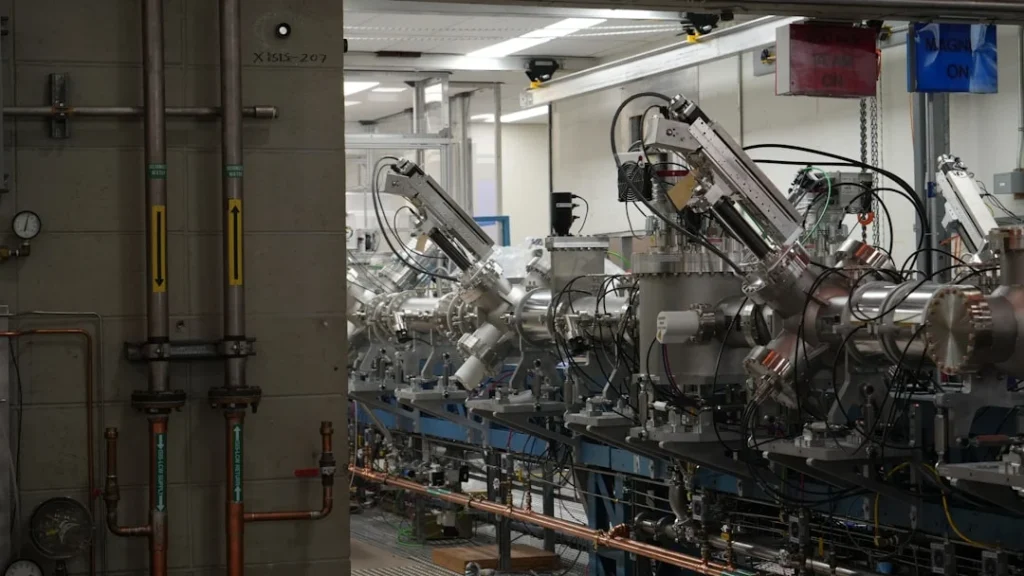
In modern industrial manufacturing, achieving precise material properties requires advanced thermal processing technologies that operate under highly controlled environments. Choosing the right partner, such as an industry-leading vacuum furnace manufacturer, is critical for companies looking to optimize their production efficiency and material performance. From aerospace components to medical devices, vacuum thermal processing ensures superior mechanical properties, minimal distortion, and unmatched surface purity.
Advanced Sintering Technologies: Achieving High-Density Materials
For advanced technical ceramics and powder metallurgy, selecting the correct thermal profile is paramount. The vacuum sintering process offers an excellent environment for consolidation without oxidation. When dealing with advanced structural ceramics, processes like silicon carbide sintering, zirconia sintering process, and alumina sintering process require extremely precise temperature control to avoid microstructural defects. Similarly, refractory metals and hard alloys rely on specialized setups for tungsten carbide sintering and molybdenum sintering to achieve maximum theoretical density.
When evaluating sintering methods, engineers often compare SPS vs hot pressing. Spark Plasma Sintering (SPS) offers rapid consolidation rates, and consulting an experienced SPS furnace manufacturer can help determine if this technology fits your production volume. Alternatively, a hot pressing furnace manufacturer can provide robust systems for uniaxial diffusion bonding and sintering. For components requiring isotropic density, comparing HIP vs vacuum sintering reveals that Hot Isostatic Pressing (HIP) eliminates closed porosity; collaborating with a certified HIP manufacturer is crucial for critical aerospace applications. Furthermore, understanding the nuances of vacuum sintering vs pressure sintering helps in selecting between a standard vacuum system and a high-performance gas pressure sintering furnace designed for silicon nitride and other covalent ceramics.
Precision Heat Treatment and Brazing Technologies
For metallurgical enhancement, partnering with a dedicated vacuum heat treatment furnace manufacturer ensures access to tailored thermal cycles. Key processes like the vacuum annealing process and vacuum hardening process are essential for stress relief and phase transformation. These processes are particularly vital for titanium alloy heat treatment, where even trace amounts of oxygen can cause embrittlement. This highlights the critical debate of vacuum furnace vs atmosphere furnace; vacuum systems completely eliminate atmospheric contamination, making them superior for reactive metals. When designing these systems, selecting the appropriate hot zone material—such as evaluating a graphite furnace vs molybdenum furnace—impacts the ultimate vacuum level and operating temperature limits.
For joining dissimilar metals and ceramics, the vacuum brazing process offers clean, flux-free joints with exceptional joint strength. When comparing vacuum brazing vs conventional brazing, the vacuum variant prevents oxidation and eliminates the need for post-braze cleaning. Working with an expert vacuum brazing furnace manufacturer allows industries to produce complex assemblies, such as heat exchangers and electronic packages, with zero defects.
Industry-Specific Thermal Solutions
Different industries require highly specialized thermal processing equipment. In the aerospace sector, safety-critical components must be processed in an aerospace vacuum furnace or a dedicated aerospace heat treatment furnace compliant with Nadcap standards. In the medical field, biocompatibility is non-negotiable; thus, manufacturers rely on a medical implant sintering furnace for orthopedic joints and a specialized dental implant vacuum furnace to process zirconia crowns and titanium fixtures.
The electronics and energy sectors also demand highly specialized environments. A high-purity semiconductor vacuum furnace is essential for wafer processing and sensor packaging, often integrating a vacuum hydrogen furnace to facilitate oxide reduction. For green energy, a specialized battery material sintering furnace is employed to synthesize high-performance cathode powders. Finally, the tooling industry relies on a dedicated carbide tool sintering furnace to produce ultra-hard cutting tools with consistent wear resistance. Partnering with a comprehensive vacuum sintering furnace manufacturer ensures that your equipment is custom-engineered to meet these diverse and stringent industry standards.