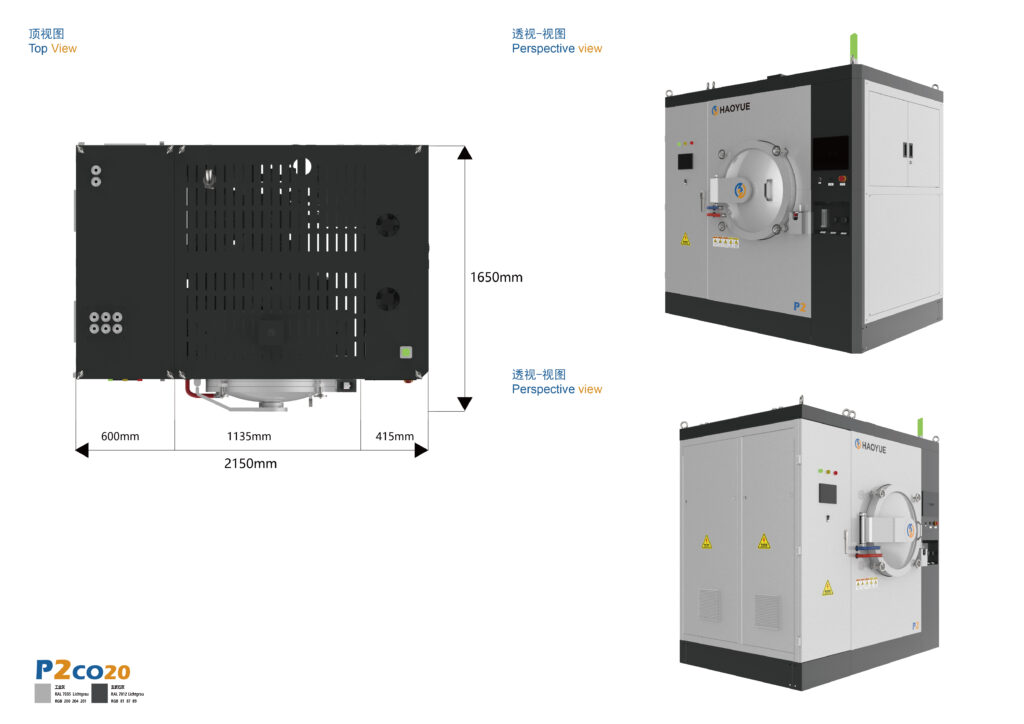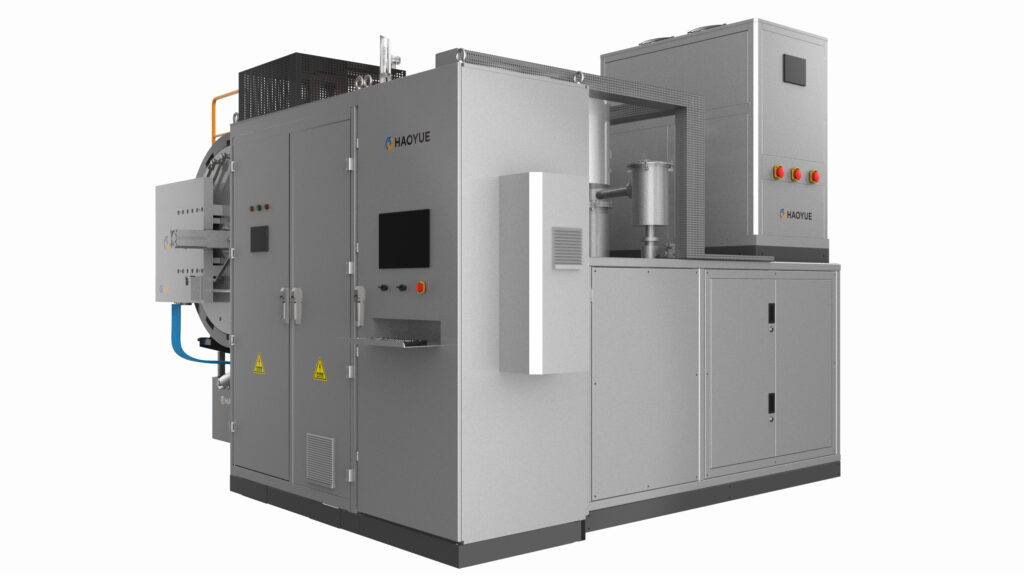






In modern metallurgy and advanced materials science, selecting the right thermal processing equipment is a critical decision for engineering teams worldwide. Partnering with an experienced vacuum furnace manufacturer or a specialized vacuum sintering furnace manufacturer ensures access to the precise thermal control required for high-performance components. As industrial demands transition toward higher purity, density, and structural integrity, understanding the nuances of various thermal systems becomes paramount.
When evaluating consolidation techniques for advanced powder metallurgy, engineers often weigh the benefits of SPS vs hot pressing (Spark Plasma Sintering vs Hot Pressing). While an SPS furnace manufacturer provides systems optimized for rapid field-assisted sintering, a hot pressing furnace manufacturer offers traditional, reliable uniaxial pressure sintering. For extreme density requirements, comparing HIP vs vacuum sintering (Hot Isostatic Pressing) reveals that while a HIP manufacturer delivers isotropic pressure to eliminate internal pores, standard vacuum sintering vs pressure sintering methods remain highly cost-effective for complex geometries.
The choice of thermal profile relies heavily on the specific material’s characteristics. For instance, the vacuum sintering process is indispensable for high-temperature ceramics and refractory metals. Applications such as silicon carbide sintering, zirconia sintering process, and alumina sintering process require precise atmosphere control to prevent oxidation. Similarly, achieving optimal hardness in tooling requires specialized tungsten carbide sintering and molybdenum sintering setups to ensure uniform grain growth and dense microstructures.
Beyond consolidation, joining and hardening represent critical production phases. Evaluating vacuum brazing vs conventional brazing highlights the superior joint strength and clean finishes achieved without flux in a vacuum environment. Implementing a precise vacuum brazing process ensures leak-tight joints, especially when executed by a reputable vacuum brazing furnace manufacturer. For mechanical property enhancement, processes like the vacuum annealing process and vacuum hardening process are crucial, particularly in high-stress applications such as titanium alloy heat treatment, which must be conducted by an established vacuum heat treatment furnace manufacturer.
Different sectors demand highly customized solutions. In high-stakes manufacturing, an aerospace vacuum furnace or a dedicated aerospace heat treatment furnace must meet stringent NADCAP standards. For healthcare, a medical implant sintering furnace or a compact dental implant vacuum furnace ensures biocompatibility and structural reliability. In electronics, a semiconductor vacuum furnace provides ultra-high vacuum environments for wafer processing, while a battery material sintering furnace and a carbide tool sintering furnace optimize high-throughput production. For specific chemical reactions, a vacuum hydrogen furnace or a gas pressure sintering furnace provides the unique atmospheric conditions necessary for advanced material synthesis.
Finally, when designing a thermal facility, comparing a vacuum furnace vs atmosphere furnace helps determine the level of environmental control needed. Within vacuum systems, choosing between a graphite furnace vs molybdenum furnace depends on the operating temperature, cleanroom requirements, and material compatibility, as molybdenum elements prevent carbon contamination in sensitive alloys.