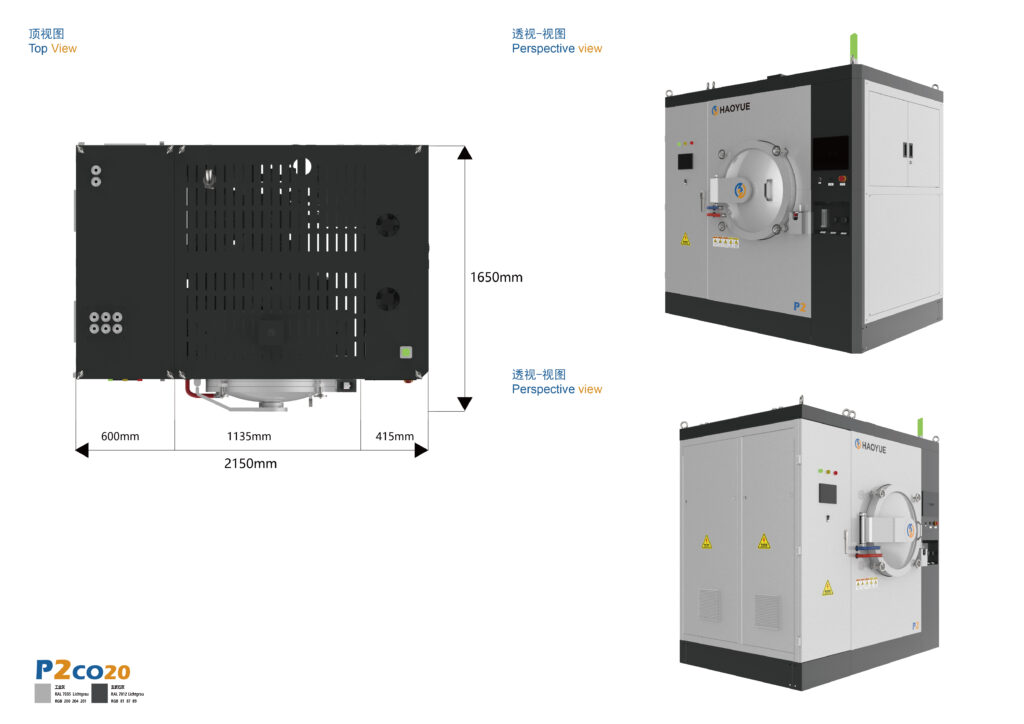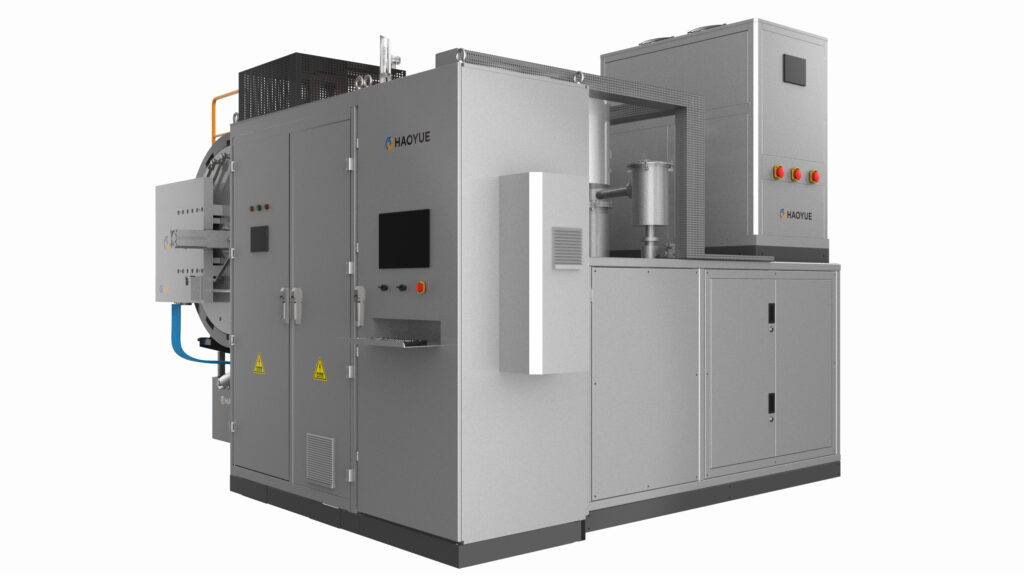






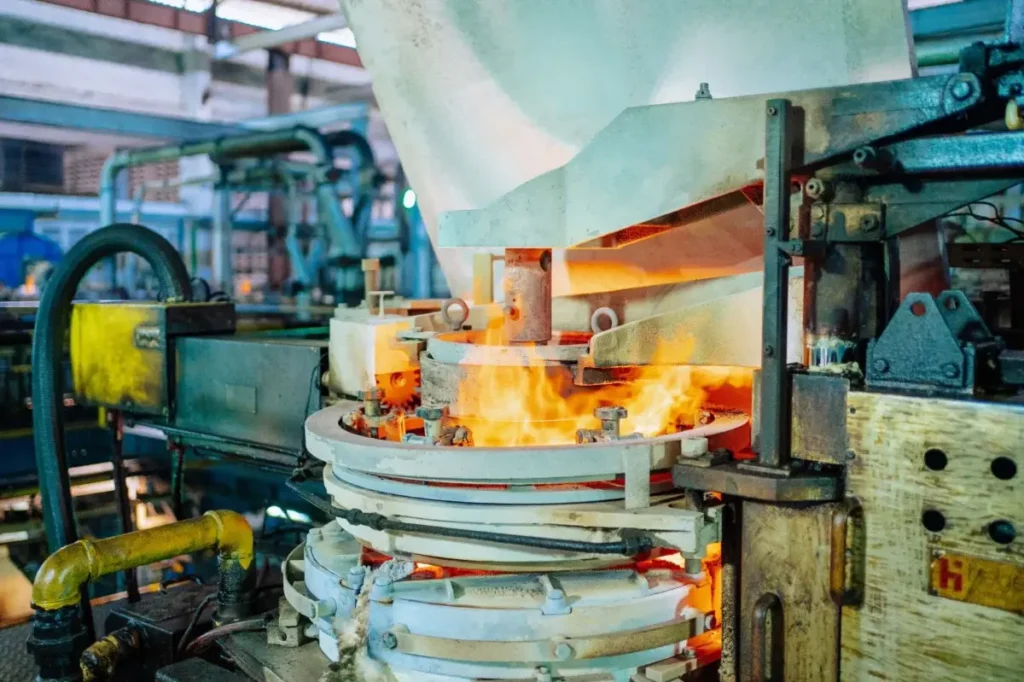
In modern industrial manufacturing, achieving superior material properties requires precise thermal control. As a leading vacuum furnace manufacturer and dedicated vacuum sintering furnace manufacturer, we understand that selecting the right thermal processing environment is critical. When comparing a vacuum furnace vs atmosphere furnace, the elimination of atmospheric gases prevents oxidation, decarburization, and contamination, making vacuum systems the gold standard for high-purity applications.
Advanced Sintering Technologies & Materials
Advanced powder metallurgy and technical ceramics rely heavily on specialized thermal consolidation. For instance, silicon carbide sintering, zirconia sintering process, and alumina sintering process require extremely high temperatures and precise atmospheres to achieve near-theoretical density. Similarly, heavy-duty industrial applications like tungsten carbide sintering and high-purity molybdenum sintering depend on exact thermal cycles to guarantee mechanical integrity. During the vacuum sintering process, compaction and bonding occur without the risks associated with ambient air.
When choosing consolidation methods, engineers often evaluate SPS vs hot pressing. Spark Plasma Sintering (SPS), sourced from a specialized SPS furnace manufacturer, utilizes pulsed direct current to achieve rapid densification at lower temperatures, whereas a hot pressing furnace manufacturer provides systems utilizing uniaxial pressure and indirect heating. For even higher density requirements, comparing HIP vs vacuum sintering is common; a HIP manufacturer offers Hot Isostatic Pressing systems that apply high gas pressure to eliminate internal porosity, surpassing the limits of standard vacuum sintering.
Specialized Furnaces & Industry Applications
Different industries require tailored thermal environments. In high-precision sectors, the aerospace vacuum furnace and aerospace heat treatment furnace are essential for processing structural components to strict aerospace standards. In healthcare, the medical implant sintering furnace and compact dental implant vacuum furnace ensure biocompatible, defect-free orthopedic and dental restorations. For energy and electronics, the battery material sintering furnace optimizes electrode powders, while a high-capacity carbide tool sintering furnace ensures the hardness of cutting tools. In the microelectronics sector, a specialized semiconductor vacuum furnace is critical for wafer processing and packaging under ultra-high vacuum conditions.
To handle advanced material transformations, a vacuum hydrogen furnace is utilized for reduction and clean sintering, while a gas pressure sintering furnace is perfect for preventing thermal decomposition of silicon nitride. This highlights the choice of vacuum sintering vs pressure sintering, where overpressure is applied during the final stage to achieve maximum material density.
Precision Heat Treatment and Brazing Processes
Beyond sintering, thermal modification is crucial. Partnering with an experienced vacuum heat treatment furnace manufacturer allows access to precise recipes for the vacuum annealing process and the vacuum hardening process, which are vital for stress relief and strengthening. These methods are particularly important for titanium alloy heat treatment, where oxygen pickup must be strictly avoided to prevent embrittlement.
For joining advanced assemblies, a vacuum brazing furnace manufacturer designs systems that execute the vacuum brazing process with exceptional joint strength and clean aesthetics. When evaluating vacuum brazing vs conventional brazing, the vacuum method eliminates the need for corrosive flux, preventing post-braze cleaning issues and joint voids. Furthermore, selecting the correct hot zone construction—such as comparing a graphite furnace vs molybdenum furnace—determines the maximum operating temperature, vacuum level, and compatibility with specific process gases or carbon-sensitive alloys.