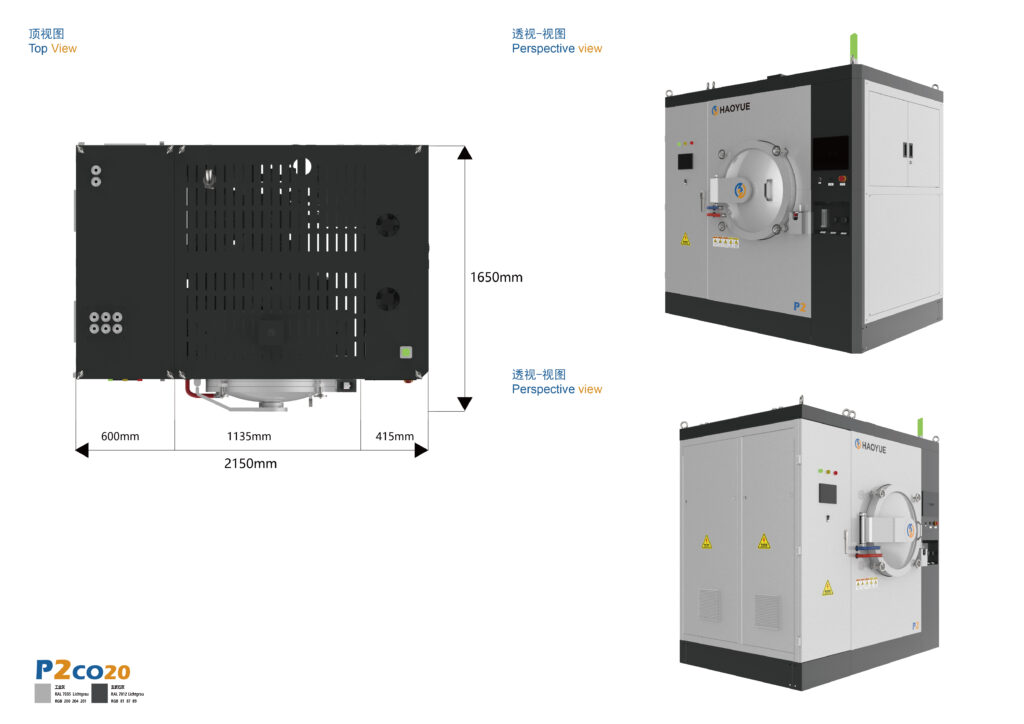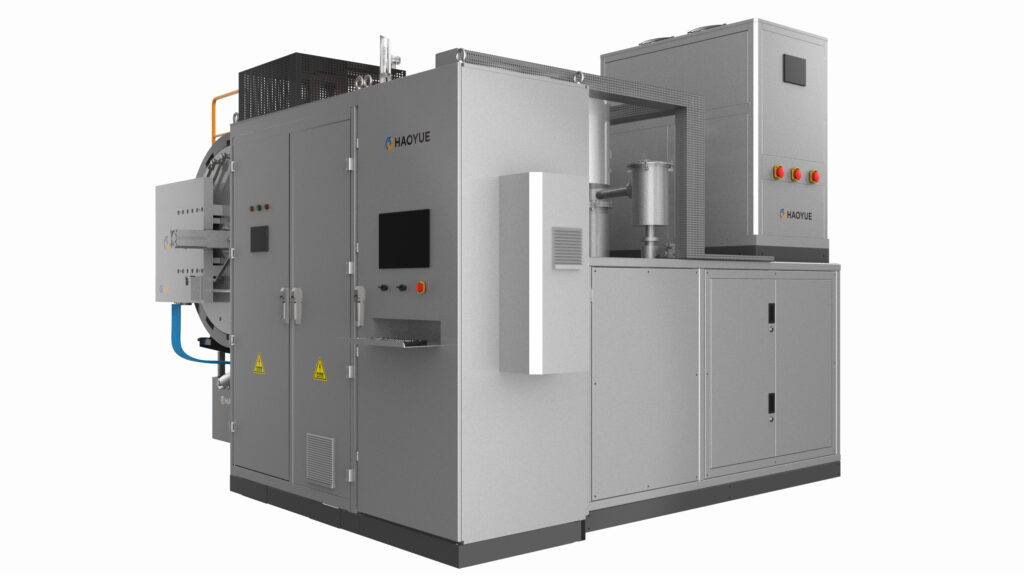






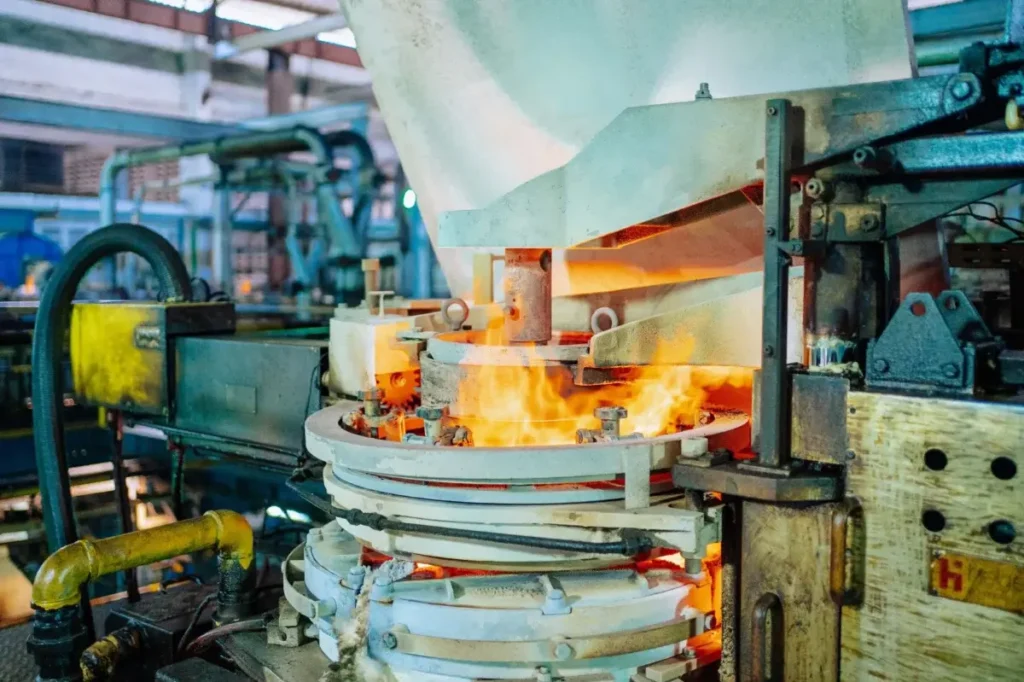
In modern industrial manufacturing, achieving superior material properties requires precise control over thermal environments. Choosing the right thermal processing equipment is a critical decision for engineers and metallurgists. Partnering with an experienced vacuum furnace manufacturer allows industries to transition from traditional thermal methods to advanced, high-purity thermal processing. When comparing a vacuum furnace vs atmosphere furnace, the vacuum environment eliminates oxidation, prevents atmospheric contamination, and ensures unparalleled thermal uniformity. This makes vacuum-based systems indispensable for processing high-value components in aerospace, medical, and semiconductor applications.
For advanced powder metallurgy and technical ceramics, selecting the correct sintering technology is paramount. Working with a dedicated vacuum sintering furnace manufacturer provides access to tailored systems designed for densifying high-performance materials through a controlled vacuum sintering process. For instance, achieving optimal density in silicon carbide sintering, the zirconia sintering process, or the alumina sintering process requires highly precise temperature profiles. In the tooling industry, tungsten carbide sintering demands exceptional carbon control to prevent phase degradation. Engineers often evaluate different compaction and heating methods, analyzing SPS vs hot pressing to determine if Spark Plasma Sintering or traditional uniaxial hot pressing fits their throughput and shape complexity needs. Consulting an established SPS furnace manufacturer or a hot pressing furnace manufacturer can help clarify these process dynamics. Furthermore, when extreme densification is required to eliminate residual porosity, manufacturers weigh HIP vs vacuum sintering. Collaborating with a leading HIP manufacturer ensures that components achieve near-theoretical density, which is critical for mission-critical parts.
Beyond sintering, thermal modification and joining technologies demand highly specialized equipment. A premier vacuum heat treatment furnace manufacturer designs systems capable of executing precise thermal cycles. These include the vacuum annealing process to relieve internal stresses in cold-worked metals and the vacuum hardening process to maximize wear resistance in tool steels. For joining delicate or dissimilar metals, a vacuum brazing furnace manufacturer provides systems that leverage the vacuum brazing process. Comparing vacuum brazing vs conventional brazing reveals that vacuum methods completely eliminate the need for corrosive fluxes, resulting in cleaner, stronger, and void-free joints. For specialized materials, a vacuum hydrogen furnace is utilized for reduction and bright annealing, while a gas pressure sintering furnace is ideal for overpressure sintering of high-temperature ceramics. Understanding the subtle differences in vacuum sintering vs pressure sintering helps engineers optimize cycle times and material properties, especially during complex processes like molybdenum sintering or advanced titanium alloy heat treatment.
Different industries present unique challenges that dictate specific thermal processing configurations. In the aerospace sector, safety and reliability are non-negotiable, driving the demand for high-specification aerospace vacuum furnace systems and aerospace heat treatment furnace units that comply with strict AMS2750 standards. In healthcare, the production of biocompatible components relies on a dedicated medical implant sintering furnace or a precise dental implant vacuum furnace to prevent any metallic contamination. The electronics industry relies heavily on the semiconductor vacuum furnace to process wafers and high-purity components under ultra-clean conditions. Additionally, the green energy transition has accelerated the deployment of the battery material sintering furnace for synthesizing anode and cathode powders, while the manufacturing of heavy-duty cutting gear relies on the carbide tool sintering furnace. When configuring these units, engineers must decide on the heating chamber construction, comparing a graphite furnace vs molybdenum furnace. Graphite hot zones offer excellent cost-efficiency and high-temperature capability, whereas molybdenum hot zones provide the ultra-clean, carbon-free environment necessary for medical, semiconductor, and aerospace applications.