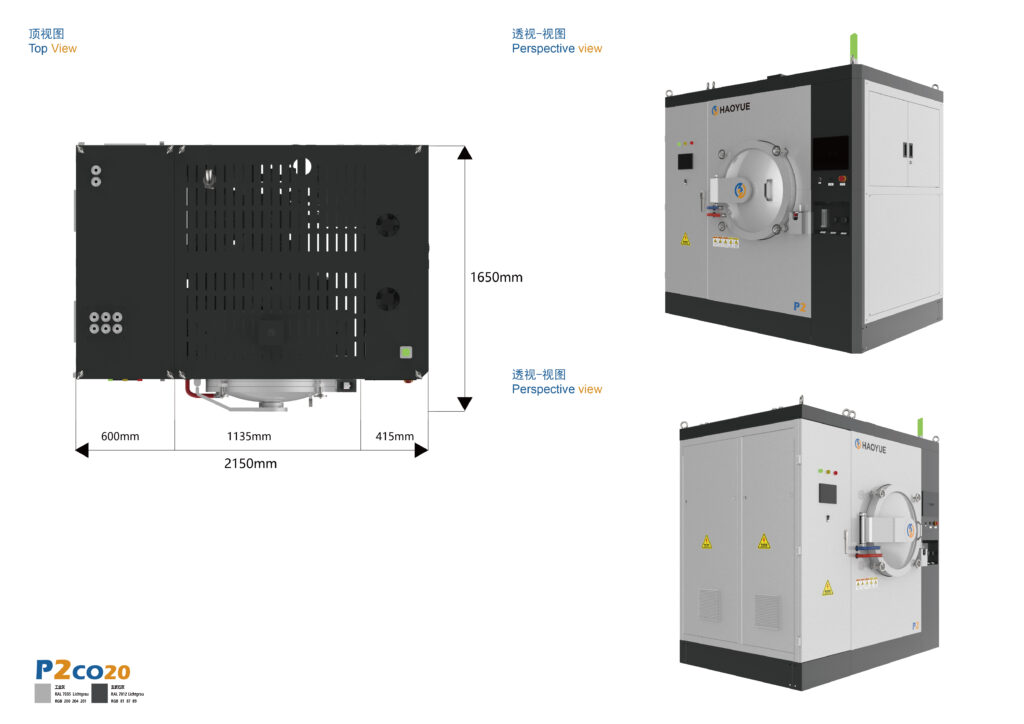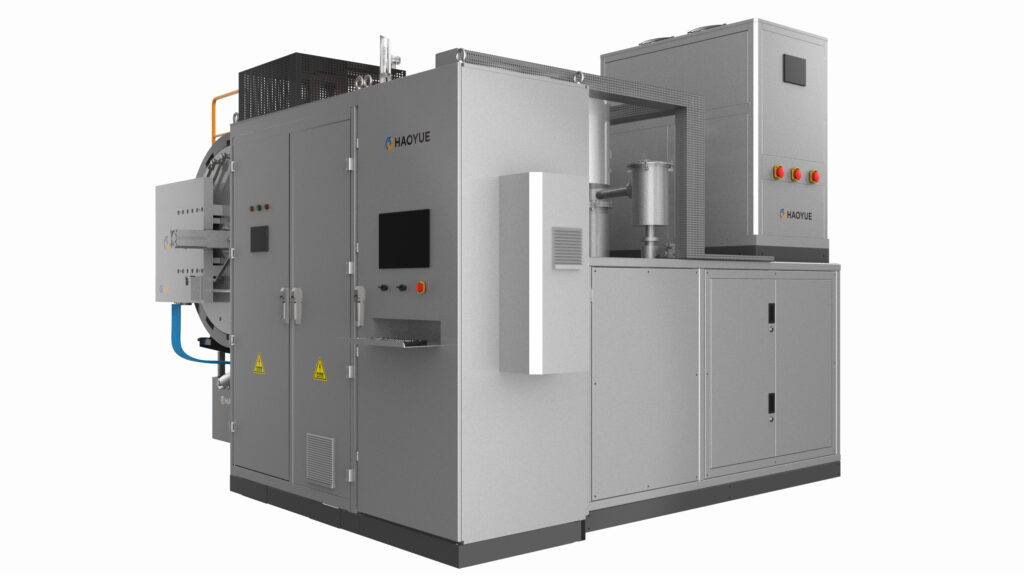






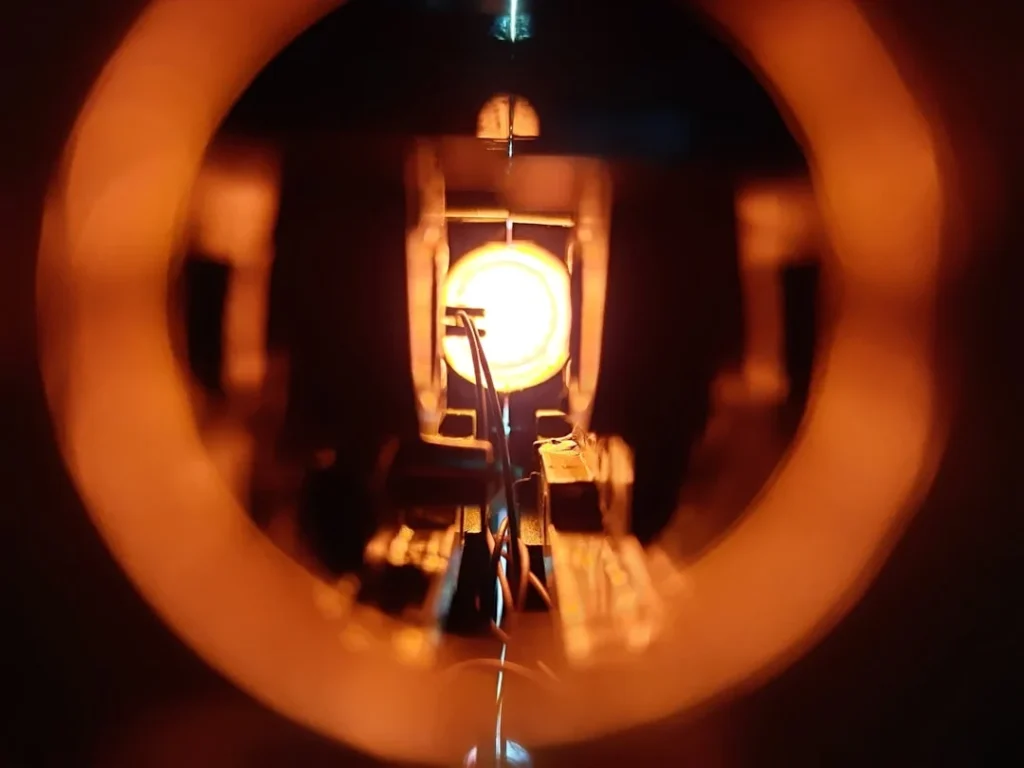
In modern metallurgy and advanced materials manufacturing, selecting the right thermal processing environment is a critical decision for engineers and equipment buyers. When comparing a vacuum furnace vs atmosphere furnace, the vacuum environment offers unmatched protection against oxidation, decarburization, and environmental contamination. As a premier vacuum furnace manufacturer, we recognize that modern industrial applications require highly specialized thermal solutions to achieve precise material properties and consistent microstructures.
High-Performance Sintering and Material Consolidation
For high-performance component manufacturing, the vacuum sintering process remains the gold standard. In the tooling and wear-parts sector, achieving maximum density and hardness during tungsten carbide sintering requires a robust carbide tool sintering furnace. Similarly, refractory metal processing, such as molybdenum sintering, demands precise temperature and atmospheric control to prevent embrittlement. When standard vacuum levels are insufficient to eliminate closed porosity, engineers often evaluate vacuum sintering vs pressure sintering. Utilizing a gas pressure sintering furnace allows for controlled overpressure consolidation, which is highly effective for advanced structural ceramics like silicon carbide sintering and the alumina sintering process.
Comparative Analysis of Consolidation Methods
For rapid consolidation of difficult-to-sinter materials, advanced electrical-assist and pressure-assisted methods are transforming production timelines. Engineers frequently compare SPS vs hot pressing (Spark Plasma Sintering vs Hot Pressing) to determine the optimal thermal cycle time and grain growth control. Consulting an experienced SPS furnace manufacturer or a hot pressing furnace manufacturer is crucial to matching equipment capabilities with specific material requirements. Furthermore, when absolute densification is required for critical components, comparing HIP vs vacuum sintering (Hot Isostatic Pressing) reveals that post-sintering hot isostatic pressing eliminates internal micro-voids, a process heavily supported by a leading HIP manufacturer.
Specialized Heat Treatment and Joining Technologies
In the realm of thermal modification, partnering with an established vacuum heat treatment furnace manufacturer ensures compliance with stringent metallurgical and quality standards. Specialized thermal cycles, including the vacuum annealing process and vacuum hardening process, are vital to achieving the desired mechanical properties in superalloys and tool steels. For instance, titanium alloy heat treatment performed in an aerospace heat treatment furnace guarantees the structural integrity and fatigue resistance required for flight-critical components.
Joining technologies have also evolved significantly to meet high-vacuum standards. The vacuum brazing process offers flux-free, clean joints with minimal distortion and excellent thermal conductivity. When comparing vacuum brazing vs conventional brazing, the vacuum method excels in joining dissimilar metals and complex geometries without oxidation. Working with a dedicated vacuum brazing furnace manufacturer allows companies to scale up production of high-performance heat exchangers and medical assemblies.
Industry-Specific Thermal Solutions
Industry-specific demands continue to drive specialized equipment designs across high-tech sectors:
- Aerospace: Utilizing a certified aerospace vacuum furnace is non-negotiable for meeting Nadcap requirements and processing critical turbine components.
- Medical & Dental: Orthopedic and dental devices require ultra-clean thermal cycles. Here, a medical implant sintering furnace and a dental implant vacuum furnace are utilized to execute the precise zirconia sintering process required for biocompatible restorations.
- Semiconductors & Clean Energy: The electronics sector relies heavily on high-purity processing, utilizing a semiconductor vacuum furnace for wafer processing and a battery material sintering furnace for synthesizing advanced anode and cathode materials. For applications requiring reducing atmospheres, a vacuum hydrogen furnace provides the precise control needed for clean-firing and oxide reduction.
Engineering Selection: Hot Zone Configurations
When configuring these advanced thermal systems, engineers must also decide on the hot zone construction, often evaluating a graphite furnace vs molybdenum furnace based on maximum operating temperature, vacuum purity requirements, and material compatibility. Ultimately, selecting the right configuration and partnering with an experienced vacuum sintering furnace manufacturer is the key to achieving operational excellence, superior material properties, and long-term production reliability.