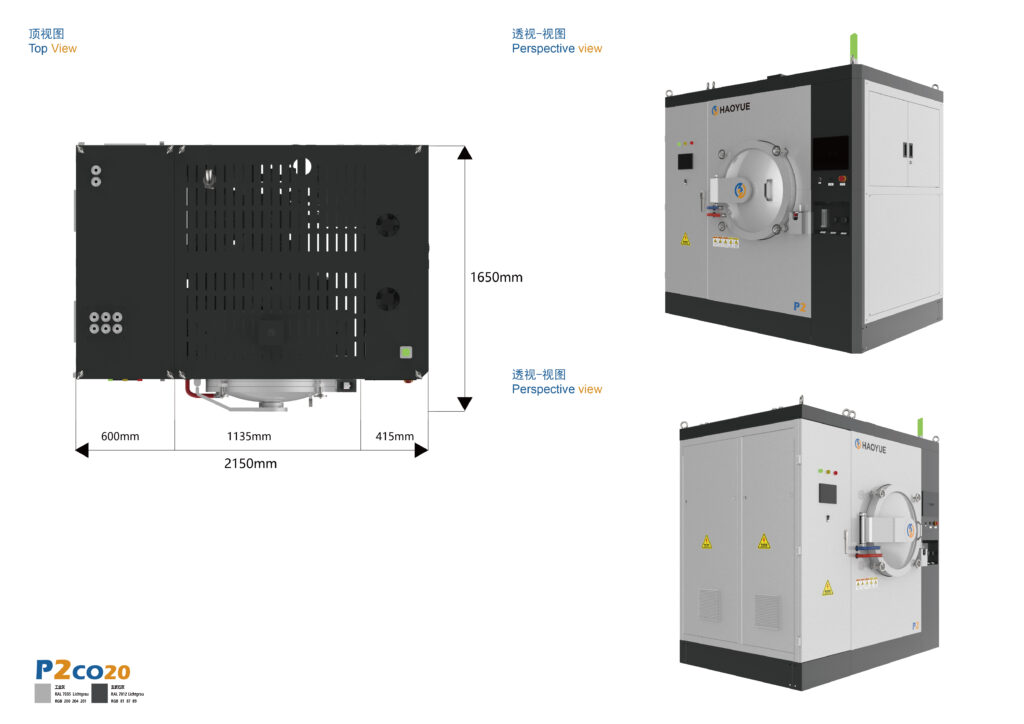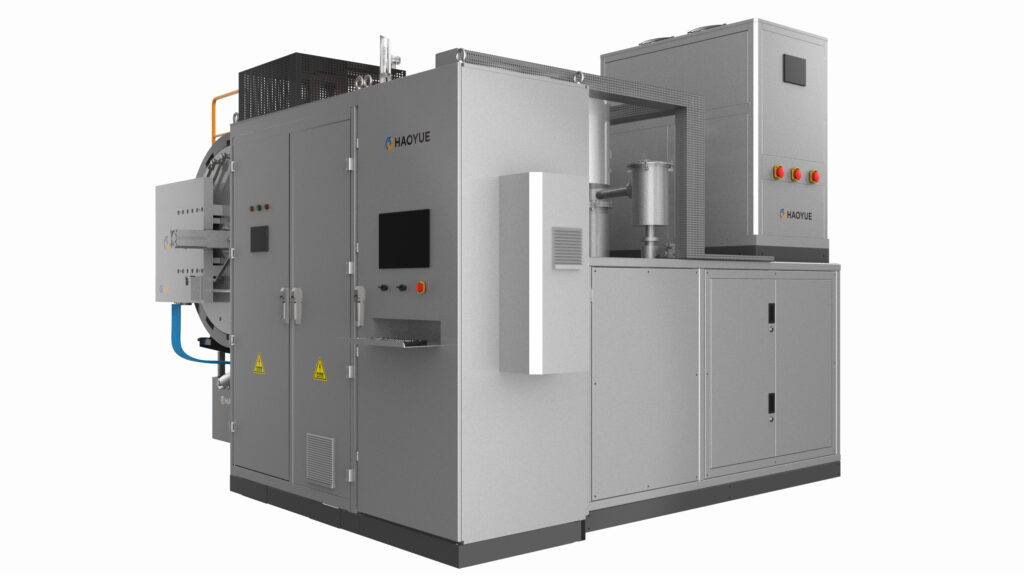






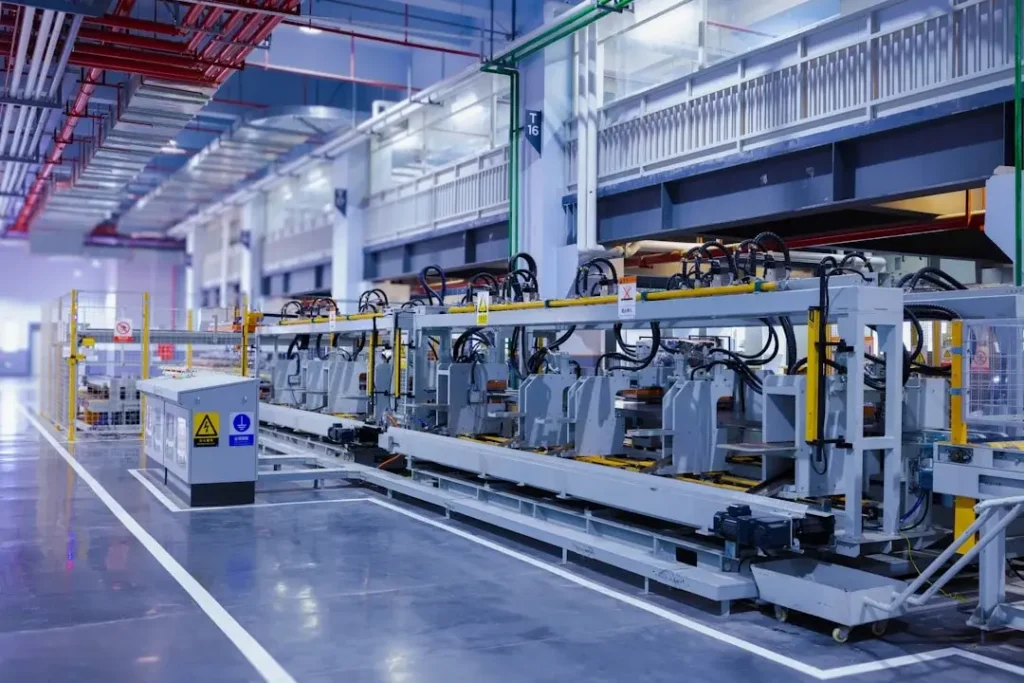
In the rapidly evolving landscape of advanced metallurgy, technical ceramics, and semiconductor manufacturing, achieving precise material properties requires highly controlled thermal processing environments. Selecting the right equipment and thermal processing methodology is a critical decision for engineering teams. When evaluating thermal processing systems, comparing a vacuum furnace vs atmosphere furnace is often the first step; vacuum systems offer unparalleled protection against oxidation, decarburization, and interstitial contamination, making them indispensable for high-integrity components.
The Mechanics of Advanced Sintering Technologies
Modern powder metallurgy and structural ceramics rely heavily on specialized sintering techniques to achieve near-theoretical density and exceptional mechanical properties. For instance, the vacuum sintering process provides a clean, low-pressure environment that facilitates the removal of binders and minimizes residual porosity. This process is essential for demanding applications such as silicon carbide sintering, which requires extreme temperatures and precise atmosphere control to prevent phase decomposition.
Similarly, the zirconia sintering process and the alumina sintering process are fundamental to producing high-strength, wear-resistant technical ceramics. For refractory metals and hardmetals, customized thermal profiles are required; tungsten carbide sintering and molybdenum sintering demand precise temperature uniformity and vacuum control to prevent grain growth and ensure optimal hardness. To achieve these extreme parameters, partnering with a certified vacuum sintering furnace manufacturer is crucial to securing equipment engineered for reliable, high-temperature operations.
Comparing Sintering Methodologies
Engineers must often evaluate different consolidation techniques based on material requirements and production volumes. When analyzing SPS vs hot pressing (Spark Plasma Sintering vs Hot Pressing), SPS offers significantly faster heating rates and shorter cycle times by utilizing pulsed direct current, whereas traditional hot pressing relies on external conductive heating. For components requiring complete elimination of internal micro-voids, comparing HIP vs vacuum sintering (Hot Isostatic Pressing vs Vacuum Sintering) is common; HIP utilizes high-pressure inert gas to compress internal pores, whereas standard vacuum sintering relies on surface energy driven diffusion.
Additionally, understanding vacuum sintering vs pressure sintering dynamics helps manufacturers determine whether vacuum alone is sufficient or if overpressure gas consolidation is required to suppress volatile element evaporation. To implement these advanced techniques, consulting an experienced SPS furnace manufacturer, a leading hot pressing furnace manufacturer, or a global HIP manufacturer ensures that the selected thermal systems align with your specific material characteristics.
Precision Heat Treatment and Vacuum Brazing
Beyond sintering, vacuum thermal systems are critical for surface modification and joining operations. An expert vacuum heat treatment furnace manufacturer offers systems engineered for precise thermal cycles, including the vacuum annealing process to relieve residual stresses and the vacuum hardening process to optimize core toughness and wear resistance in tool steels and superalloys. These systems are vital for demanding metallurgical procedures, such as high-temperature titanium alloy heat treatment, where even trace amounts of oxygen or nitrogen can cause severe embrittlement.
For joining dissimilar metals or complex assemblies, a specialized vacuum brazing furnace manufacturer delivers solutions that optimize the vacuum brazing process. When comparing vacuum brazing vs conventional brazing, the vacuum environment eliminates the need for corrosive fluxes, prevents joint oxidation, and produces exceptionally clean, high-strength joints that are free of flux inclusions.
Industry-Specific Thermal Solutions
Different industrial sectors require highly tailored thermal equipment to meet stringent regulatory and performance standards. In high-performance sectors, utilizing a state-of-the-art aerospace vacuum furnace is mandatory to meet Nadcap requirements. Compliance standards for an aerospace heat treatment furnace demand rigorous temperature uniformity surveys (TUS) and system accuracy tests (SAT) to guarantee the structural integrity of critical flight components.
In the medical field, using a specialized medical implant sintering furnace or a dedicated dental implant vacuum furnace ensures the bio-compatibility and fatigue life of orthopedic and dental prosthetics. For energy storage and advanced tooling, deploying an advanced battery material sintering furnace optimizes the electrochemical performance of anode and cathode powders, while employing a carbide tool sintering furnace ensures the wear-resistance of high-speed cutting tools.
Selecting the Right Furnace Configuration
Choosing the correct chamber construction and heating element material is critical to process success. Choosing between a graphite furnace vs molybdenum furnace depends on temperature requirements, process purity, and chemical compatibility; graphite hot zones offer robust performance at lower costs, while molybdenum hot zones provide ultra-clean, carbon-free environments essential for medical and semiconductor applications. For highly specialized processes, the integration of a high-purity semiconductor vacuum furnace is required for wafer processing and packaging, while utilizing a vacuum hydrogen furnace is necessary for reducing atmospheres. For materials requiring high-pressure gas quenching or overpressure sintering, deploying a gas pressure sintering furnace provides the ultimate control over density and microstructural development. Ultimately, selecting a reputable vacuum furnace manufacturer ensures your facility is equipped with the precise thermal technology required to achieve superior material performance, process repeatability, and operational efficiency.