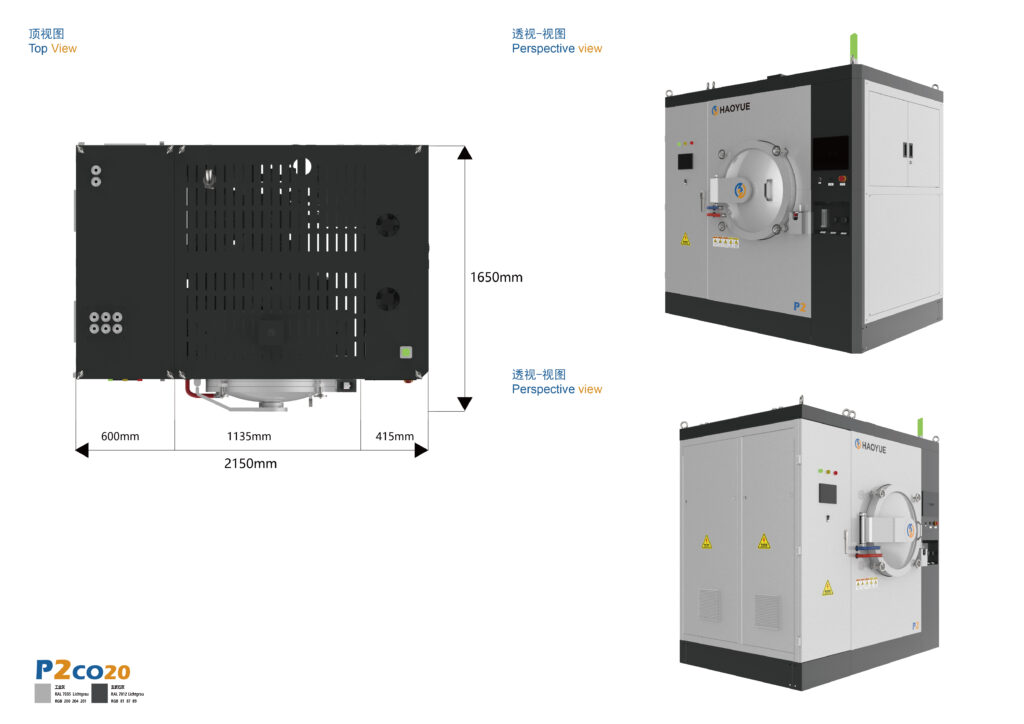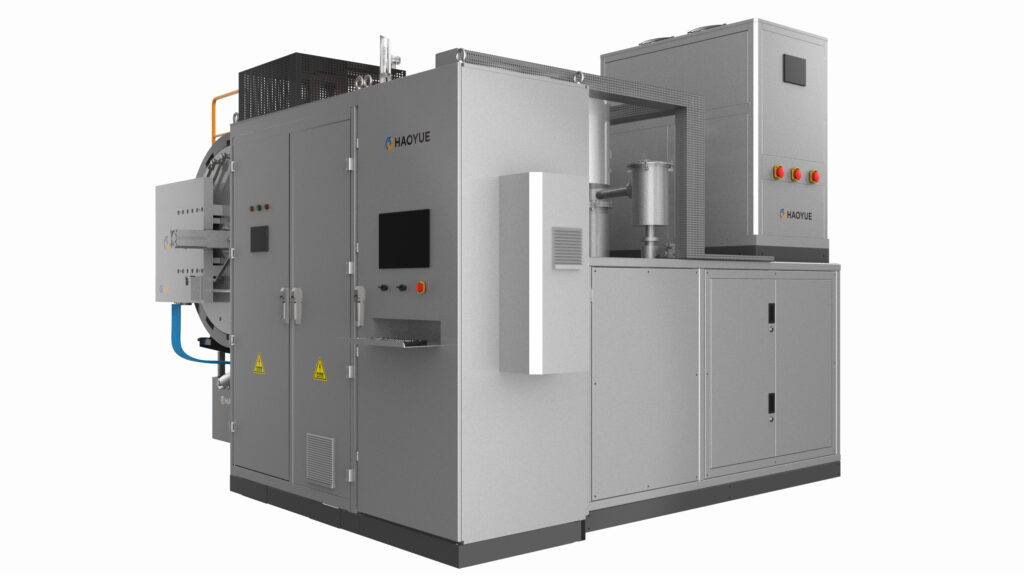






In the high-precision world of modern metallurgy and advanced materials science, selecting the right thermal processing equipment is paramount to achieving superior mechanical properties. As a leading global vacuum furnace manufacturer, we understand that industrial buyers and engineers face complex decisions when upgrading their thermal processing capabilities. Whether you are fabricating aerospace components, dental prosthetics, or semiconductor wafers, the choice of thermal processing technology directly dictates the quality, density, and lifespan of your end products.
Understanding the nuances of the vacuum sintering process is essential for producing high-performance ceramics and powder metals. For example, advanced ceramic manufacturing relies heavily on precise thermal profiles, such as those required for silicon carbide sintering, zirconia sintering process, and alumina sintering process. Meanwhile, heavy-duty industrial tooling demands specialized cycles like tungsten carbide sintering and molybdenum sintering to eliminate porosity and maximize hardness. Beyond sintering, precise thermal cycles such as the vacuum annealing process and vacuum hardening process are critical for relieving internal stresses and optimizing grain structures, particularly during titanium alloy heat treatment for critical structural applications.
Different industrial sectors require tailor-made thermal solutions. In the aviation sector, an aerospace vacuum furnace or a dedicated aerospace heat treatment furnace ensures compliance with strict AMS2750 standards. In healthcare, a medical implant sintering furnace or a highly precise dental implant vacuum furnace is necessary to process biocompatible titanium and zirconia under ultra-clean conditions. The electronics and energy sectors also drive demand for specialized systems, including the semiconductor vacuum furnace for wafer processing and the battery material sintering furnace for synthesizing active anode and cathode materials. Furthermore, the tooling sector relies on a dedicated carbide tool sintering furnace to produce ultra-hard cutting inserts.
When designing a thermal processing line, engineers must evaluate critical technological trade-offs. One common debate centers on SPS vs hot pressing (Spark Plasma Sintering vs Hot Pressing), where SPS offers rapid heating rates and shorter cycle times compared to traditional uniaxial hot pressing. For high-density requirements, engineers must weigh HIP vs vacuum sintering (Hot Isostatic Pressing vs Vacuum Sintering) or analyze the benefits of vacuum sintering vs pressure sintering to determine if overpressure gas is required to eliminate residual porosity. Additionally, choosing a vacuum furnace vs atmosphere furnace depends on whether the material is sensitive to trace oxidation. Chamber construction also presents choices, such as a graphite furnace vs molybdenum furnace, where graphite offers cost-effective high-temperature performance, while molybdenum ensures an ultra-clean, carbon-free environment. For joining components, comparing vacuum brazing vs conventional brazing highlights how vacuum environments eliminate the need for corrosive fluxes, resulting in stronger, cleaner joints through a specialized vacuum brazing process.
Partnering with an experienced, specialized manufacturer is the key to executing these advanced processes successfully. A qualified vacuum sintering furnace manufacturer or SPS furnace manufacturer can customize hot zones to meet precise uniformity standards. For heavy-duty compaction, working with a reputable hot pressing furnace manufacturer or HIP manufacturer ensures robust pressure vessel engineering. Furthermore, a specialized vacuum heat treatment furnace manufacturer or vacuum brazing furnace manufacturer can provide integrated cooling systems to accelerate cycle times. For specialized chemical reactions, deploying a vacuum hydrogen furnace or a gas pressure sintering furnace provides the controlled environment needed for reducing oxides and sintering high-performance nitride ceramics.