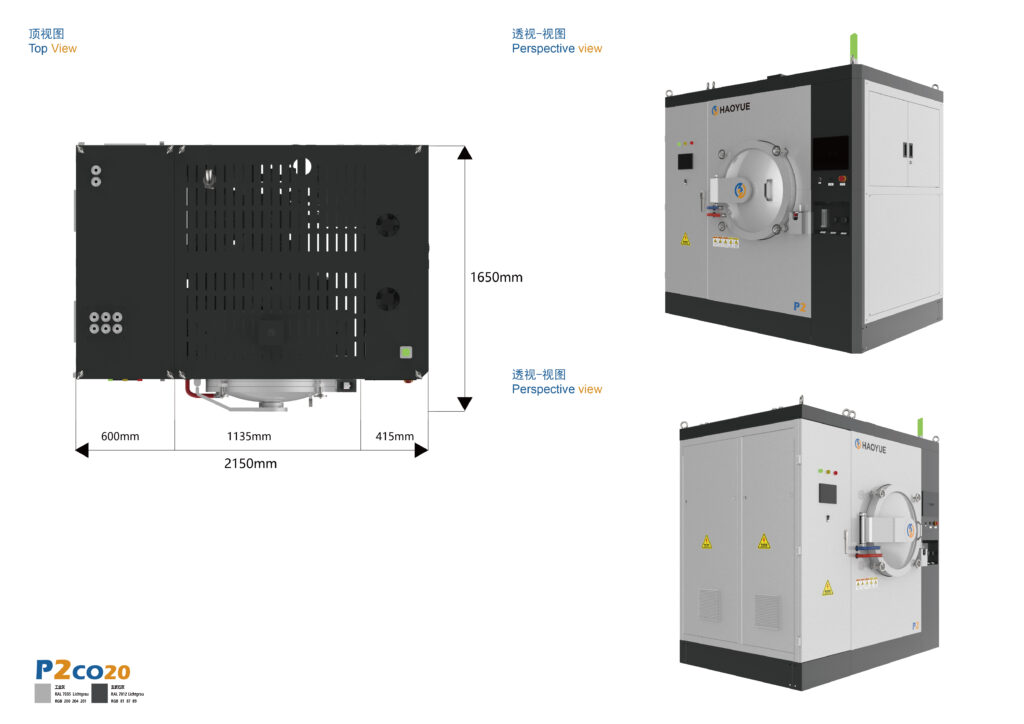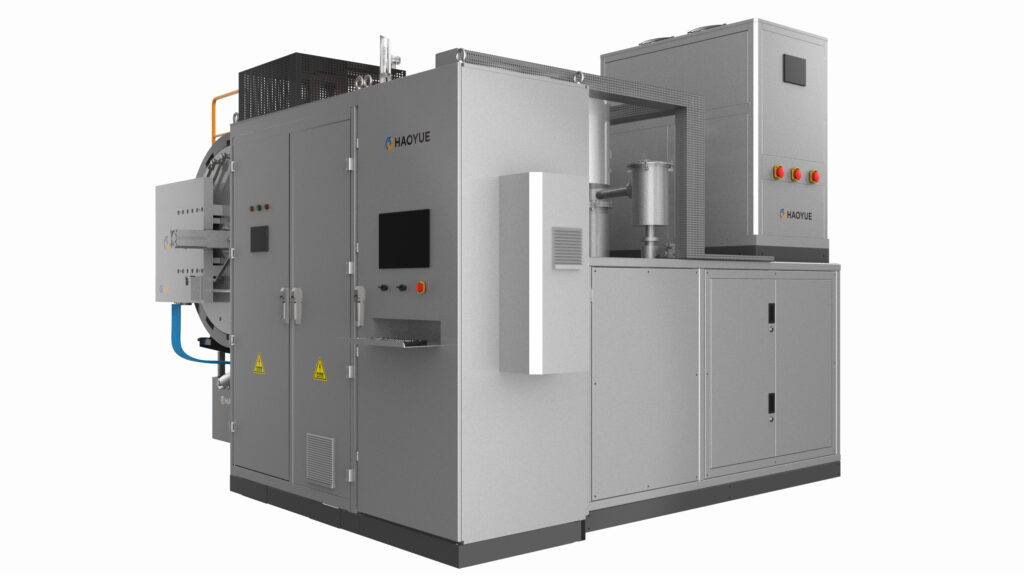






In the demanding world of advanced material science, the performance of components hinges critically on their processing. From aerospace to medical implants, the integrity and functionality of materials are often determined by sophisticated thermal treatments. This necessitates the expertise of a reliable vacuum furnace manufacturer, capable of delivering state-of-the-art solutions for processes like vacuum sintering process and advanced heat treatments. Understanding the nuances of these technologies and selecting the appropriate equipment is paramount for engineers and industrial buyers.
The Cornerstone of Material Excellence: Vacuum Sintering and Heat Treatment
Vacuum technology offers unparalleled control over material properties by eliminating atmospheric contamination and enabling precise temperature management. A leading vacuum furnace manufacturer understands that the environment inside the furnace directly impacts the final product. For instance, the vacuum sintering process is crucial for densifying powdered materials, producing components with high strength and specific microstructures. Similarly, a vacuum heat treatment furnace manufacturer provides equipment essential for processes like vacuum annealing process and vacuum hardening process, which refine the mechanical properties of metals and alloys, including specialized applications like titanium alloy heat treatment.
Specialized Sintering Technologies for Diverse Applications
Beyond conventional vacuum sintering, a range of advanced techniques addresses specific material challenges. For high-performance ceramics and composites, an SPS furnace manufacturer (Spark Plasma Sintering) offers rapid densification with fine grain structures, often compared favorably in speed and efficiency to traditional hot pressing. The choice between SPS vs hot pressing depends on material type, desired properties, and production volume. For complex geometries and near-net-shape components, a HIP manufacturer (Hot Isostatic Pressing) provides equipment that applies high pressure and temperature simultaneously, eliminating internal porosity and enhancing material integrity. This offers distinct advantages over the vacuum sintering vs pressure sintering debate, especially when comparing HIP vs vacuum sintering for critical applications. Furthermore, the development of a gas pressure sintering furnace provides another avenue for achieving high-density parts.
These advanced sintering methods are vital for a multitude of materials:
- Silicon carbide sintering: For high-temperature, wear-resistant components.
- Zirconia sintering process: Critical for dental and medical implants due to its biocompatibility and strength.
- Alumina sintering process: Used in refractories, abrasives, and electronic substrates.
- Tungsten carbide sintering: Essential for cutting tools and wear parts, often facilitated by a dedicated carbide tool sintering furnace.
- Molybdenum sintering: Key for high-temperature structural components and electrical contacts.
Precision Brazing and Industry-Specific Vacuum Solutions
The role of vacuum extends beyond sintering and heat treatment to critical joining processes. A skilled vacuum brazing furnace manufacturer enables precise, clean, and strong metallurgical bonds, making the vacuum brazing process a superior alternative to vacuum brazing vs conventional brazing in many high-tech fields. The absence of flux and controlled atmosphere ensures joint integrity and eliminates post-braze cleaning.
Moreover, specific industries demand highly tailored vacuum furnace solutions:
- Aerospace vacuum furnace and aerospace heat treatment furnace: For critical engine components, turbine blades, and structural parts requiring impeccable material integrity.
- Medical implant sintering furnace and dental implant vacuum furnace: For biocompatible materials like titanium and zirconia, ensuring sterility and high performance.
- Semiconductor vacuum furnace: Essential for processes like annealing and deposition in microelectronics manufacturing, requiring ultra-high vacuum and precise temperature uniformity.
- Battery material sintering furnace: Used in the production of advanced electrode materials for electric vehicles and energy storage.
- Vacuum hydrogen furnace: Utilized for specialized annealing and reduction processes where hydrogen atmosphere is required under vacuum conditions.
Choosing Your Partner: A Strategic Decision
When selecting a vacuum sintering furnace manufacturer or any vacuum furnace manufacturer, consider their expertise, technological capabilities, and after-sales support. The distinction between a vacuum furnace vs atmosphere furnace is clear in terms of material purity and process control. Similarly, the choice between a graphite furnace vs molybdenum furnace depends on the process temperature, material compatibility, and cost considerations. A reputable manufacturer offers not just equipment, but comprehensive solutions tailored to your specific industrial needs, ensuring optimal performance and longevity for your critical components.
Investing in the right vacuum technology is an investment in future material innovation and product reliability. Partnering with an experienced vacuum furnace manufacturer ensures access to cutting-edge solutions that drive advancements in aerospace, medical, semiconductor, and many other high-tech industries.