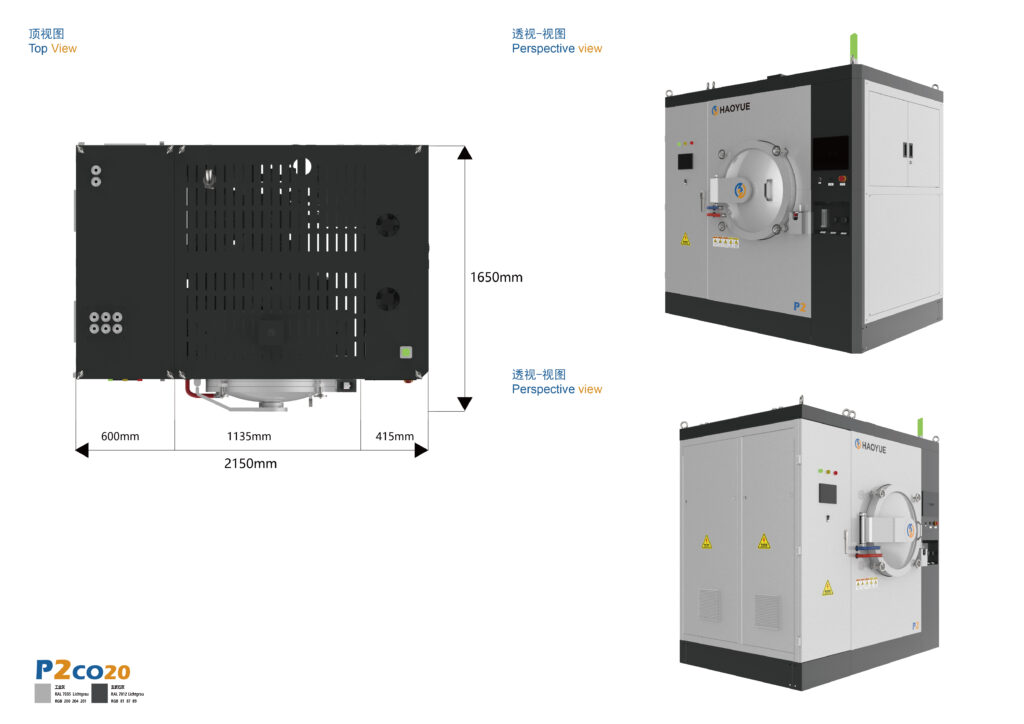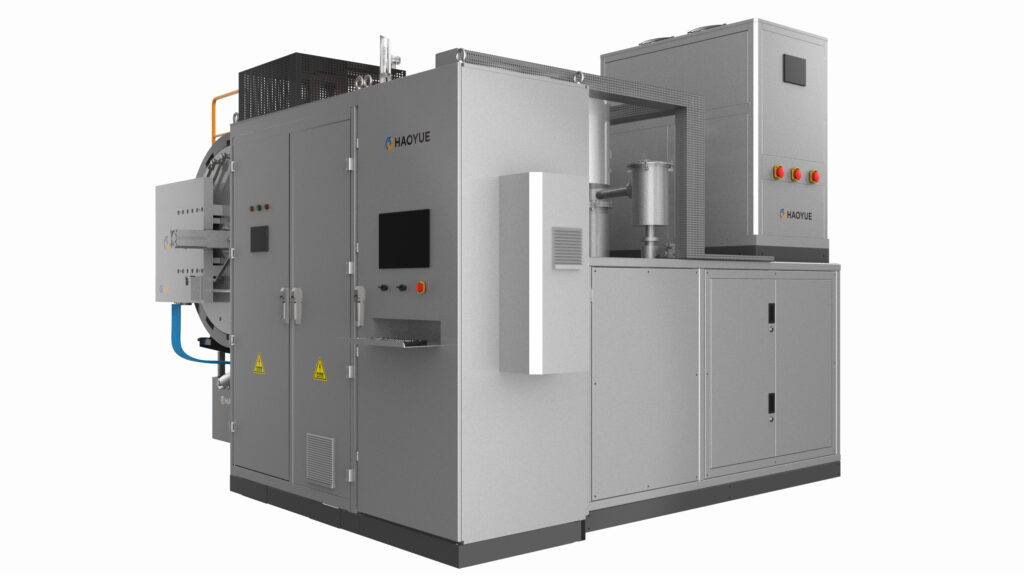






In the demanding world of advanced materials, precision and purity are paramount. Industries from aerospace to medical implants rely on sophisticated thermal processing to achieve the desired material properties. At the heart of this transformation lies the vacuum furnace, a critical piece of equipment engineered for unparalleled control and performance. As a premier vacuum furnace manufacturer, we understand the intricate requirements of modern material science, offering solutions that push the boundaries of innovation.
The advantages of a vacuum environment for material processing are undeniable. By removing atmospheric gases, vacuum furnaces prevent oxidation and contamination, ensuring cleaner, stronger, and more consistent products. This is especially vital in processes like the vacuum sintering process, where powder metallurgy components are densified to achieve high mechanical strength. Similarly, the vacuum heat treatment furnace manufacturer plays a crucial role in enabling critical processes such as vacuum annealing process and vacuum hardening process, which are essential for optimizing the microstructure and performance of various alloys.
Beyond general sintering, specialized technologies address unique material challenges. For advanced ceramics and composites, a dedicated vacuum sintering furnace manufacturer provides equipment capable of high temperatures and precise atmospheres. Here, the choice between techniques such as SPS vs hot pressing or HIP vs vacuum sintering becomes critical, each offering distinct advantages in terms of densification kinetics and final material properties. For instance, an SPS furnace manufacturer focuses on spark plasma sintering for rapid densification, while a hot pressing furnace manufacturer provides systems for simultaneous heat and pressure application. Furthermore, the expertise of a HIP manufacturer is vital for hot isostatic pressing, a process that eliminates internal porosity. The discussion around vacuum sintering vs pressure sintering often highlights the benefits of applying external pressure to achieve full density in challenging materials like silicon carbide sintering, zirconia sintering process, and alumina sintering process. For high-performance metals, specialized solutions for tungsten carbide sintering and molybdenum sintering are also commonplace, often facilitated by a gas pressure sintering furnace to achieve optimal densification and grain structure.
Precision extends to joining and surface modification as well. A leading vacuum brazing furnace manufacturer designs systems that enable high-integrity, contaminant-free joints, a significant upgrade compared to vacuum brazing vs conventional brazing which often struggles with oxidation and flux residue. These furnaces are also integral for advanced thermal treatments, including complex titanium alloy heat treatment protocols and processes utilizing a vacuum hydrogen furnace for bright annealing or reduction. The meticulous control offered by these systems is what sets them apart.
The applications for these advanced thermal processing technologies span a multitude of high-tech sectors. In the defense and civil aviation sectors, an aerospace vacuum furnace and aerospace heat treatment furnace are indispensable for producing lightweight, high-strength components. The medical field benefits immensely from a medical implant sintering furnace and dental implant vacuum furnace, ensuring biocompatibility and structural integrity. The burgeoning electric vehicle market relies on a battery material sintering furnace for efficient production of electrode materials. Moreover, the electronics industry frequently utilizes a semiconductor vacuum furnace for critical processing steps, while the tools and wear parts sector depends on a carbide tool sintering furnace for manufacturing durable cutting tools. This broad applicability underscores the versatility and necessity of high-quality vacuum equipment.
When selecting a supplier, engineers and industrial buyers must consider the technical expertise and manufacturing capabilities. The choice between a graphite furnace vs molybdenum furnace for heating elements, for example, depends on specific process temperatures, atmospheres, and material compatibility requirements. Ultimately, the decision to invest in a vacuum furnace vs atmosphere furnace is clear for applications demanding superior purity, precise temperature uniformity, and environmental control. For critical applications, partnering with an experienced vacuum furnace manufacturer is paramount to ensure the equipment meets stringent industry standards and delivers consistent, reliable performance.
The future of advanced materials is intrinsically linked to the evolution of thermal processing technologies. From the intricate demands of semiconductor vacuum furnace applications to the robust requirements of aerospace components, the commitment to innovation from a dedicated vacuum furnace manufacturer ensures that material potential is not just met, but exceeded. Investing in the right vacuum technology is investing in the future of high-performance engineering.
Frequently Asked Questions
What are the primary benefits of using a vacuum furnace in material processing?
Vacuum furnaces offer a controlled environment by removing atmospheric gases, which prevents oxidation and contamination. This ensures products are cleaner, stronger, and more consistent, which is essential for processes like vacuum sintering and vacuum heat treatment that require high precision and purity.
How does vacuum sintering compare to pressure sintering in terms of material properties?
Vacuum sintering focuses on achieving densification without external pressure, which is beneficial for certain materials. However, pressure sintering, like hot pressing or HIP, uses external pressure to achieve full density, which is particularly advantageous for challenging materials such as silicon carbide or alumina, resulting in improved material properties.
Why is vacuum brazing preferred over conventional brazing in certain applications?
Vacuum brazing is preferred because it creates high-integrity, contaminant-free joints. Unlike conventional brazing, it avoids issues like oxidation and flux residue, offering superior joint quality and reliability, which is crucial in high-precision industries like aerospace and medical implants.
What role does a vacuum furnace play in the production of high-performance metals like tungsten carbide and molybdenum?
For high-performance metals like tungsten carbide and molybdenum, vacuum furnaces, particularly gas pressure sintering furnaces, are used to achieve optimal densification and control grain structure. This ensures that the final product has the desired mechanical properties and durability required for demanding applications.
How do vacuum furnaces contribute to advancements in the aerospace and medical fields?
In aerospace, vacuum furnaces are essential for producing lightweight, high-strength components, while in the medical field, they ensure the biocompatibility and structural integrity of implants. This is achieved through precise thermal processing that meets the stringent requirements of these industries.
What makes a vacuum furnace indispensable in the electronics and electric vehicle sectors?
In electronics, semiconductor vacuum furnaces are crucial for critical processing steps, ensuring component reliability and performance. In the electric vehicle sector, battery material sintering furnaces are vital for the efficient production of electrode materials, supporting the development of advanced energy storage solutions.