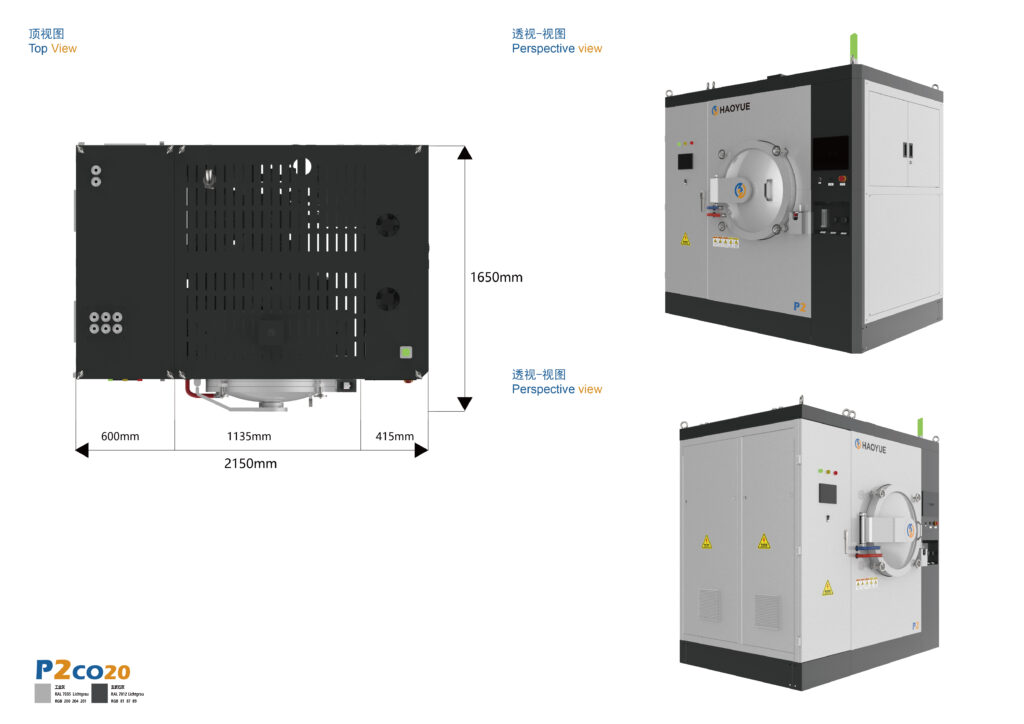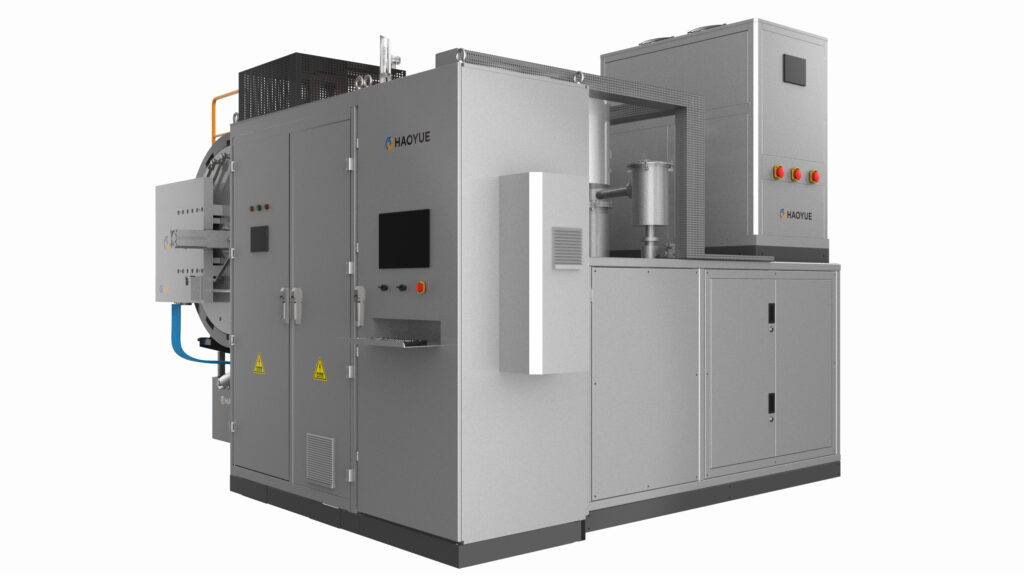






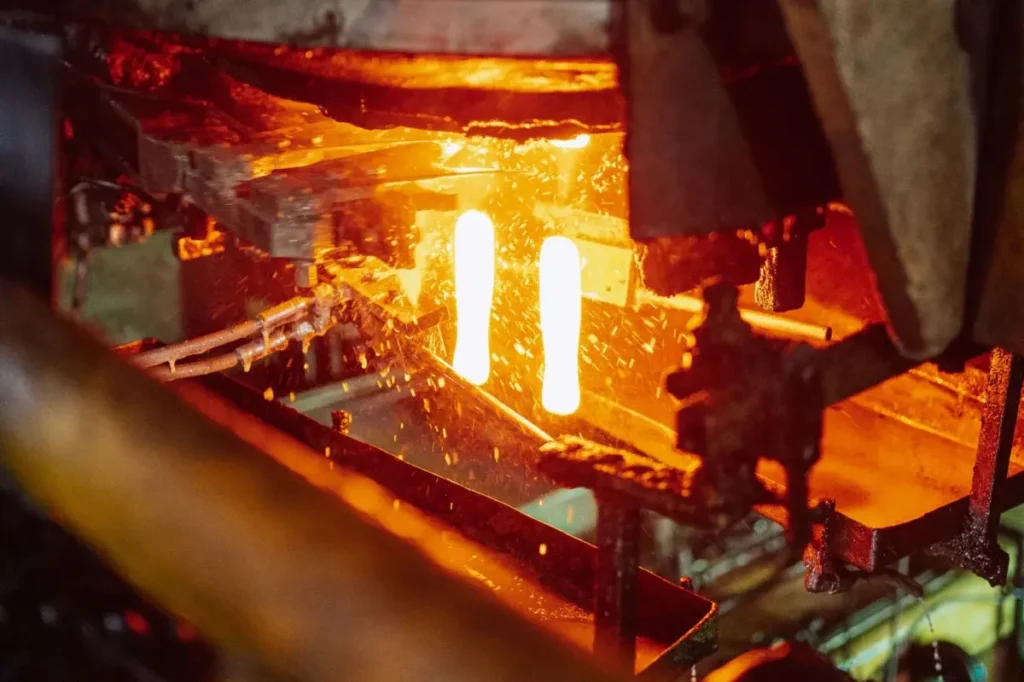
In today’s demanding industrial landscape, the quest for superior material properties is relentless. From advanced ceramics to high-performance alloys, achieving optimal strength, durability, and purity often hinges on precise thermal processing. This is where the expertise of a leading vacuum furnace manufacturer becomes indispensable. Modern vacuum furnaces are at the heart of sophisticated manufacturing, enabling both the vacuum sintering process and advanced vacuum heat treatment furnace manufacturer applications, crucial for industries ranging from aerospace vacuum furnace components to specialized medical implant sintering furnace solutions.
The vacuum sintering process is a cornerstone for densifying powdered materials without oxidation, resulting in components with exceptional mechanical properties. A specialized vacuum sintering furnace manufacturer designs systems capable of processing a wide array of materials, including advanced ceramics like in silicon carbide sintering, the intricate zirconia sintering process, and the robust alumina sintering process. Furthermore, the development of high-strength metals relies heavily on the precise control offered during tungsten carbide sintering and molybdenum sintering. When comparing densification techniques, understanding the nuanced differences between HIP vs vacuum sintering and vacuum sintering vs pressure sintering is vital for achieving specific material characteristics.
Beyond conventional sintering, advanced technologies push the boundaries of material densification. Innovators like an SPS furnace manufacturer and a hot pressing furnace manufacturer provide cutting-edge solutions for challenging materials. The comparison of SPS vs hot pressing reveals distinct advantages in processing speed and microstructure control, depending on the application. Additionally, the capabilities of a gas pressure sintering furnace offer another layer of precision for achieving full density in complex geometries, often complementing the offerings of a comprehensive HIP manufacturer.
The utility of vacuum technology extends significantly into heat treatment and brazing. A dedicated vacuum heat treatment furnace manufacturer delivers systems that perform critical processes such as the vacuum annealing process for stress relief and ductility enhancement, and the vacuum hardening process for achieving maximum hardness in alloys. The demanding requirements of titanium alloy heat treatment, for instance, are perfectly met by the controlled, oxygen-free environment of a vacuum furnace. Similarly, a skilled vacuum brazing furnace manufacturer facilitates the vacuum brazing process, which offers superior joint integrity and cleanliness compared to vacuum brazing vs conventional brazing, making it ideal for high-reliability applications.
The applications for these advanced furnaces span diverse, high-stakes industries. An aerospace heat treatment furnace is critical for manufacturing components that withstand extreme conditions, while a medical implant sintering furnace and dental implant vacuum furnace produce biocompatible devices with stringent purity requirements. The semiconductor industry relies heavily on a specialized semiconductor vacuum furnace for critical processing steps. Furthermore, the rapid growth in energy storage drives demand for a battery material sintering furnace, and the precision tooling sector benefits from a carbide tool sintering furnace. The unique demands of the semiconductor vacuum furnace underscore the need for highly customized solutions.
Understanding the different types of vacuum furnaces is also key to selecting the right equipment. For processes requiring specific atmospheres, a vacuum hydrogen furnace offers precise control over hydrogen partial pressure. When considering the environment, a comparison of vacuum furnace vs atmosphere furnace clearly highlights the benefits of vacuum in preventing contamination and achieving superior material properties. Furthermore, material considerations for furnace internals, such as in graphite furnace vs molybdenum furnace designs, are crucial for operating at ultra-high temperatures and in specific chemical environments. Each choice reflects the expertise of a knowledgeable vacuum furnace manufacturer.
In conclusion, the sophisticated capabilities of modern vacuum furnaces, whether for sintering or heat treatment, are pivotal for advancing material science and engineering. Partnering with an experienced vacuum furnace manufacturer ensures access to cutting-edge technology and tailored solutions, guaranteeing optimal performance for critical industrial applications. From enhancing the durability of aerospace components to enabling the precision of semiconductor devices, vacuum technology remains at the forefront of industrial innovation.
Frequently Asked Questions
Why is vacuum sintering preferred over other densification techniques?
Vacuum sintering is preferred because it densifies powdered materials without oxidation, resulting in components with exceptional mechanical properties. The controlled environment of a vacuum furnace prevents contamination, ensuring superior material quality, which is crucial for advanced ceramics and high-strength metals.
How does vacuum heat treatment enhance the properties of titanium alloys?
Vacuum heat treatment enhances titanium alloys by providing a controlled, oxygen-free environment that allows precise thermal processing. This results in stress relief, ductility enhancement, and maximum hardness, critical for applications requiring high strength and reliability.
What are the advantages of using a vacuum brazing furnace over conventional brazing methods?
A vacuum brazing furnace offers superior joint integrity and cleanliness compared to conventional brazing. The oxygen-free environment prevents oxidation, resulting in stronger, more reliable joints, essential for high-reliability applications in aerospace and medical devices.
What role do advanced furnaces play in the semiconductor industry?
Advanced furnaces, like a specialized semiconductor vacuum furnace, are crucial for the semiconductor industry. They provide precise control over the processing environment, ensuring critical steps in manufacturing are performed without contamination, which is vital for producing high-performance semiconductor components.
How does the vacuum sintering process differ from HIP and pressure sintering?
Vacuum sintering differs from HIP and pressure sintering in that it densifies materials in a vacuum environment, preventing oxidation. HIP uses high pressure and temperature to achieve full density, while pressure sintering combines heat and pressure, each offering unique advantages depending on the desired material properties.
Why is a vacuum hydrogen furnace important for certain processes?
A vacuum hydrogen furnace is important because it offers precise control over hydrogen partial pressure, which is essential for processes requiring specific atmospheres. This precision helps achieve superior material properties by preventing contamination and enabling controlled chemical reactions during processing.