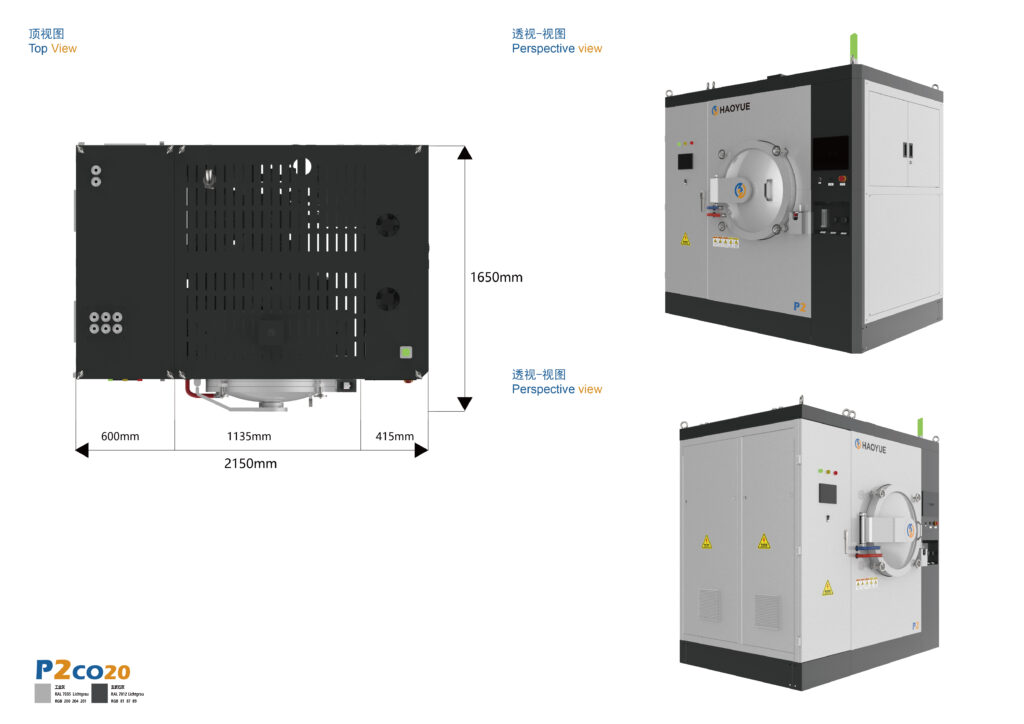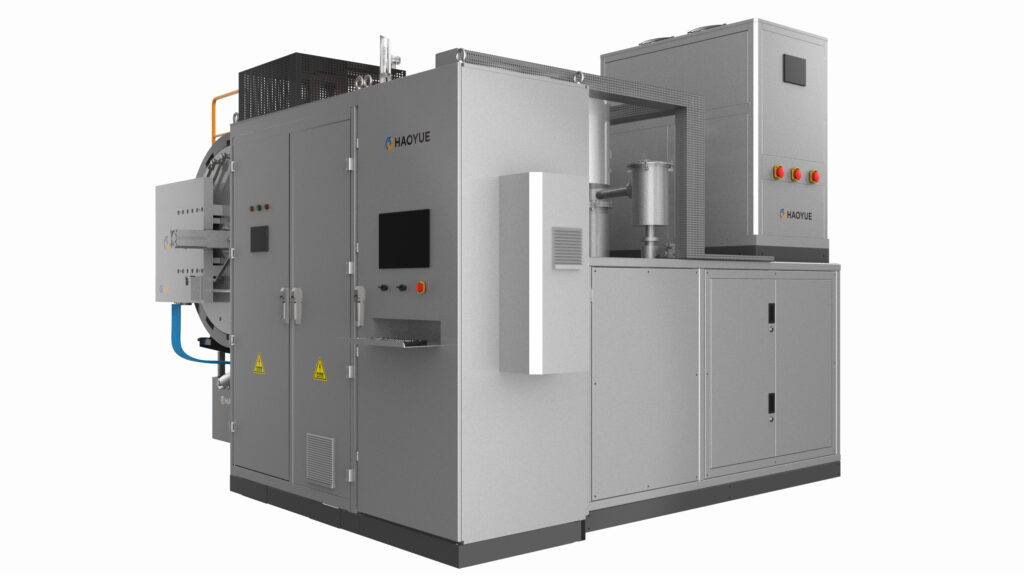






In the rapidly evolving world of advanced materials, precision and purity are paramount. Industries from aerospace to medical rely heavily on sophisticated thermal processing techniques to achieve the desired material properties. At the heart of this innovation lies the vacuum furnace, a critical piece of equipment manufactured by a specialized vacuum furnace manufacturer, enabling superior control over atmosphere and temperature for a myriad of applications. Whether it’s for sintering, brazing, or heat treatment, the capabilities of a high-quality vacuum sintering furnace manufacturer are indispensable for modern industrial demands.
The versatility of vacuum furnaces extends across numerous critical processes. For instance, the vacuum sintering process is fundamental for consolidating powdered materials into solid, dense components without melting, achieving superior mechanical properties and microstructure compared to conventional methods. Similarly, the vacuum heat treatment furnace manufacturer plays a vital role in providing equipment for processes like vacuum annealing process and vacuum hardening process, crucial for enhancing the durability and performance of metals. A leading semiconductor vacuum furnace provider, for example, is essential for producing components with ultra-high purity, free from oxidation and contamination.
When delving into sintering technologies, several specialized furnaces stand out. For materials requiring rapid densification and fine grain structures, an SPS furnace manufacturer provides Spark Plasma Sintering (SPS) systems, offering a distinct advantage. This technique can be compared in some aspects to hot pressing furnace manufacturer offerings, though SPS often allows for lower temperatures and shorter processing times. For even greater density and reduced porosity, the role of a HIP manufacturer (Hot Isostatic Pressing) becomes critical, especially when considering HIP vs vacuum sintering for complex geometries and high-performance alloys. Discussing vacuum sintering vs pressure sintering further highlights the nuances in achieving optimal material characteristics.
Beyond sintering, vacuum technology is pivotal in joining and modifying materials. The vacuum brazing process, facilitated by an expert vacuum brazing furnace manufacturer, offers clean, strong, and hermetic joints, making it superior to vacuum brazing vs conventional brazing in many high-tech applications. This method is particularly valued in sensitive components where oxidation must be strictly avoided. Furthermore, for specialized materials, a vacuum hydrogen furnace might be employed for precise atmosphere control during annealing or reduction processes.
The applications for these advanced furnaces span diverse industries. An aerospace vacuum furnace or aerospace heat treatment furnace ensures the integrity and performance of critical aircraft components. In the medical field, a medical implant sintering furnace or dental implant vacuum furnace is essential for creating biocompatible parts with precise structural properties. For energy storage, a battery material sintering furnace is crucial for developing next-generation battery components. Even in tooling, a carbide tool sintering furnace is vital for producing robust cutting instruments, often involving challenging materials like tungsten carbide sintering or molybdenum sintering.
Material-specific sintering processes also demand specialized solutions. Expertise in silicon carbide sintering, zirconia sintering process, and alumina sintering process is a hallmark of a proficient vacuum sintering furnace manufacturer. These ceramics, known for their extreme hardness and temperature resistance, require precise thermal profiles achievable only in controlled vacuum environments. Similarly, titanium alloy heat treatment benefits immensely from vacuum conditions, preventing oxygen contamination that could degrade mechanical properties. When choosing equipment, understanding the difference between a graphite furnace vs molybdenum furnace is crucial, as each offers distinct advantages depending on the process temperature and material compatibility.
Ultimately, selecting the right equipment from a reliable vacuum furnace manufacturer or gas pressure sintering furnace provider is a strategic decision. The ability to meet stringent industry standards, whether for a semiconductor vacuum furnace or a vacuum heat treatment furnace manufacturer, depends on deep technical expertise and a commitment to quality. Partnering with a manufacturer that understands the intricate demands of your specific application ensures optimal material performance and process efficiency. The continuous advancements in vacuum furnace technology are driving innovation across countless industries, making them an indispensable asset for the future of material science.
Frequently Asked Questions
Why is vacuum technology preferred over conventional methods in sintering processes?
Vacuum technology is preferred because it allows for superior control over the atmosphere and temperature, leading to improved mechanical properties and microstructure. It prevents oxidation and contamination, which are critical for achieving high purity and dense components, particularly in sensitive applications like aerospace and medical fields.
What are the advantages of using a Spark Plasma Sintering (SPS) system compared to traditional sintering techniques?
Spark Plasma Sintering (SPS) systems offer the benefit of rapid densification and the ability to achieve fine grain structures at lower temperatures and shorter processing times compared to traditional methods. This makes SPS particularly advantageous for materials requiring precise microstructural control and energy efficiency.
How does the vacuum brazing process improve the quality of joints compared to conventional brazing?
The vacuum brazing process creates clean, strong, and hermetic joints by eliminating oxidation and contamination. This results in superior joint quality, which is essential for high-tech applications where component integrity is critical, such as in aerospace and medical device manufacturing.
What role does a HIP manufacturer play in the sintering of complex geometries and high-performance alloys?
A HIP (Hot Isostatic Pressing) manufacturer provides equipment that enhances density and reduces porosity in sintered components. This process is especially beneficial for complex geometries and high-performance alloys, where achieving uniform material properties and structural integrity is crucial.
Why is precise atmosphere control important in vacuum hydrogen furnaces during annealing processes?
Precise atmosphere control in vacuum hydrogen furnaces is vital to prevent oxidation and ensure the purity of the material. During annealing, this control allows for accurate adjustment of material properties, critical for applications that require specific structural and mechanical characteristics.
What are the benefits of using a vacuum furnace for the sintering of ceramics like silicon carbide, zirconia, and alumina?
Using a vacuum furnace for ceramics like silicon carbide, zirconia, and alumina ensures precise thermal profiles, essential for achieving extreme hardness and temperature resistance. The controlled environment prevents contamination, allowing for the development of materials with optimal structural integrity and performance.