





The demand for high-performance ceramic materials has never been greater, driven by advancements in fields ranging from medicine to aerospace. Among these materials, zirconia stands out due to its exceptional strength, toughness, and biocompatibility. However, unlocking its full potential hinges on a critical manufacturing step: the zirconia sintering process. This intricate procedure transforms raw zirconia powder into dense, robust components with precisely tailored properties. This article delves into the zirconia sintering process, outlining various processing technologies such as pressureless sintering, hot pressing, and HIP, and their diverse applications in biomedical, dental, and refractory industries. It explains how different zirconia types, such as YSZ (Yttria-stabilized zirconia) and PSZ (Partially stabilized zirconia), require specific sintering approaches to achieve optimal performance. We highlight the importance of advanced furnaces, often supplied by a hot isostatic press manufacturer or a hot pressing furnace manufacturer, for achieving desired density and strength. Procurement engineers should also consider a vacuum sintering furnace manufacturer for specific zirconia compositions, ensuring the final product meets stringent quality and performance standards.
Understanding Zirconia: A Versatile Ceramic
Zirconia (ZrO2) is a polymorphic ceramic, meaning it exists in different crystalline forms depending on temperature. Its unique combination of properties, including high fracture toughness, excellent wear resistance, chemical inertness, and biocompatibility, makes it an invaluable material. The key to its strength lies in its ability to undergo transformation toughening, where a stress-induced phase transformation absorbs energy and inhibits crack propagation.
Key Zirconia Types for Sintering
The specific properties and applications of zirconia are heavily influenced by its stabilization and microstructure, which are largely controlled during the zirconia sintering process.
- Yttria-Stabilized Zirconia (YSZ): By adding yttria (Y2O3), zirconia’s high-temperature tetragonal phase can be stabilized down to room temperature, or a cubic phase can be formed. Fully stabilized YSZ (e.g., 8YSZ) is primarily used for oxygen sensors and solid oxide fuel cells due to its excellent oxygen ion conductivity. Partially stabilized YSZ (e.g., 3YSZ), often referred to as tetragonal zirconia polycrystal (TZP), exhibits superior mechanical properties, making it ideal for structural applications like dental implants and cutting tools.
- Magnesia-Partially Stabilized Zirconia (Mg-PSZ): Stabilized with magnesia, Mg-PSZ offers excellent thermal shock resistance and high strength. It’s often used in applications requiring robust performance in demanding environments, such as refractory components.
- Ceria-Stabilized Zirconia (Ce-TZP): Known for its exceptional toughness, Ce-TZP is used in applications where resistance to crack propagation is paramount, such as dental endodontic posts.
The Fundamentals of the Zirconia Sintering Process
Sintering is a thermal treatment that compacts and strengthens a powder material by heating it to a temperature below its melting point. During this process, atoms diffuse across particle boundaries, fusing the particles and reducing porosity, leading to densification and grain growth. For zirconia, the sintering process is particularly critical due to its polymorphs and the need to control phase transformations and microstructure precisely.
The primary goals of the zirconia sintering process are to achieve high density, fine grain size, and stable tetragonal or cubic phases at room temperature, which are essential for its mechanical performance. Factors such as particle size, packing density of the green body, sintering temperature, holding time, and atmosphere all play crucial roles in determining the final material properties.
Advanced Sintering Technologies for Zirconia
To meet the diverse requirements of various applications, several advanced sintering techniques have been developed for zirconia.
Pressureless Sintering: The Conventional Approach
Pressureless sintering is the most common and cost-effective method. Zirconia green bodies are heated in an atmospheric furnace (often air or specific controlled atmospheres) to high temperatures, typically between 1400°C and 1600°C. While straightforward, achieving full densification without excessive grain growth can be challenging, especially for fine-grained YSZ. This method can result in residual porosity, which may limit mechanical properties for critical applications.
Hot Pressing: Enhancing Densification
Hot pressing involves applying uniaxial pressure simultaneously with high temperature. This combined approach significantly enhances densification by promoting particle rearrangement and accelerating diffusion processes, leading to higher densities and finer grain sizes compared to pressureless sintering. A hot pressing furnace manufacturer designs specialized equipment for this process, allowing for precise control over temperature and pressure profiles. Hot-pressed zirconia is often used for components requiring superior strength and minimal porosity, such as high-performance cutting tools and structural ceramics.
Hot Isostatic Pressing (HIP): Maximizing Purity and Strength
Hot Isostatic Pressing (HIP) is an advanced sintering technique that applies high pressure uniformly from all directions using an inert gas (e.g., argon) while simultaneously heating the material. This is particularly effective for eliminating internal porosity and closing micro-cracks, leading to near-theoretical density and significantly improved mechanical properties. HIP can be used as a primary sintering method or as a post-sintering treatment to enhance parts initially densified by other means. A hot isostatic press manufacturer provides the sophisticated equipment necessary for this process, which is invaluable for producing critical components in biomedical implants, aerospace, and defense industries where material integrity is paramount. The uniform pressure ensures isotropic properties and minimizes distortion.
Spark Plasma Sintering (SPS): Rapid and Efficient Zirconia Sintering Process
Spark Plasma Sintering (SPS), also known as Field Assisted Sintering Technique (FAST), is a relatively newer technique that uses pulsed direct current to rapidly heat and consolidate powders. This method allows for very fast heating and cooling rates, often achieving full densification in minutes rather than hours. The rapid processing minimizes grain growth, resulting in ultrafine-grained zirconia with enhanced mechanical properties. An SPS furnace manufacturer designs systems capable of generating the high currents and pressures required for this efficient zirconia sintering process. SPS is particularly attractive for research and development of novel zirconia composites and for applications requiring precise microstructural control.
Applications Driven by the Zirconia Sintering Process
The ability to precisely control the microstructure and properties through the zirconia sintering process has opened doors to its use in a wide array of demanding applications.
Biomedical and Dental Implants
Zirconia’s excellent biocompatibility, high strength, and aesthetic appeal make it an ideal material for medical and dental applications. In dentistry, sintered zirconia is widely used for crowns, bridges, dental prosthetics, and implant abutments, offering an attractive, metal-free alternative. In orthopedics, it finds use in hip joint prostheses, femoral heads, and spinal implants, providing long-term durability and resistance to wear. The stringent requirements for these applications necessitate highly controlled sintering to ensure consistent quality and performance.
Advanced Refractories and Industrial Components
Due to its high melting point, low thermal conductivity, and excellent corrosion resistance, sintered zirconia is a superior material for refractory applications. It is used in furnace linings, crucibles, and insulation in high-temperature environments, particularly in the glass, steel, and chemical industries. Beyond refractories, zirconia components are found in oxygen sensors, fuel cells (as solid electrolytes), precision ceramic bearings, and wear-resistant parts in industrial machinery.
Other High-Performance Applications
The versatility of sintered zirconia extends to other specialized fields. Its piezoelectric properties are harnessed in sensors and actuators. Its use in protective coatings enhances the durability of components exposed to harsh conditions. Furthermore, research continues into its application in advanced electronics and energy storage systems, leveraging its unique electrical and thermal properties.
The Critical Role of Advanced Furnaces and Expert Manufacturers
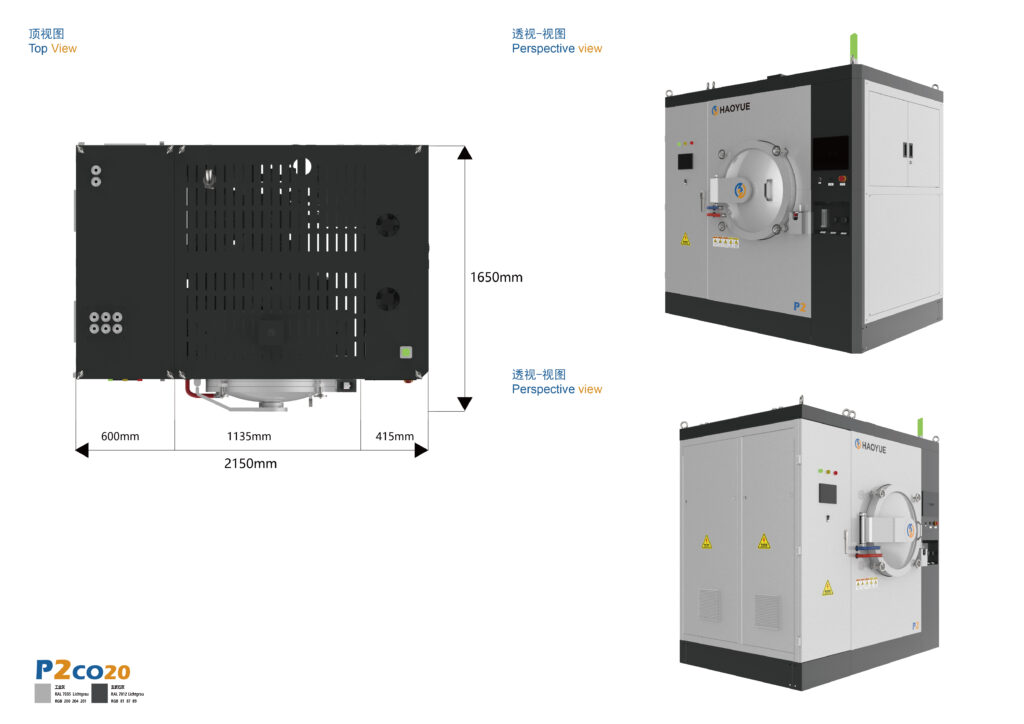
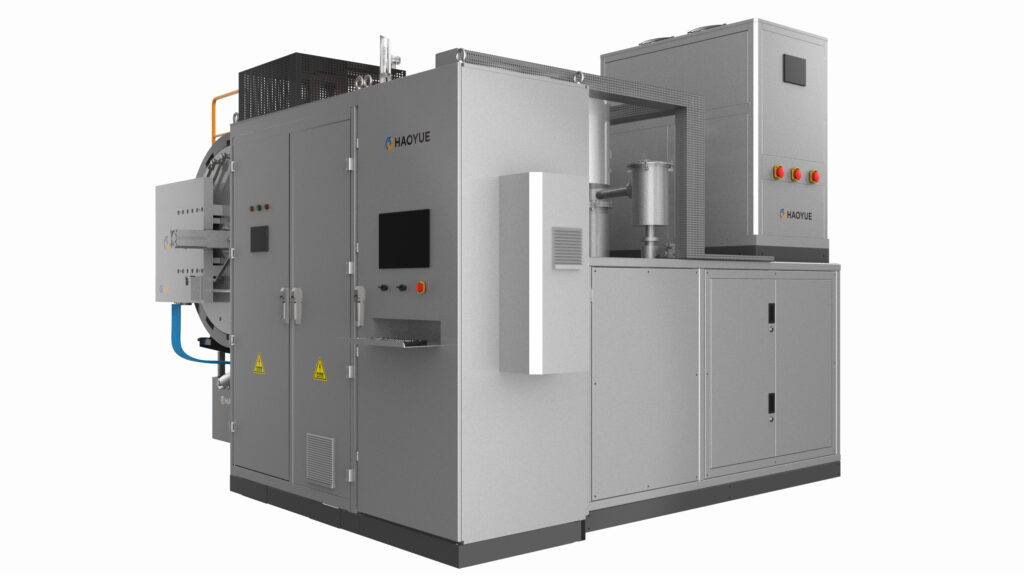
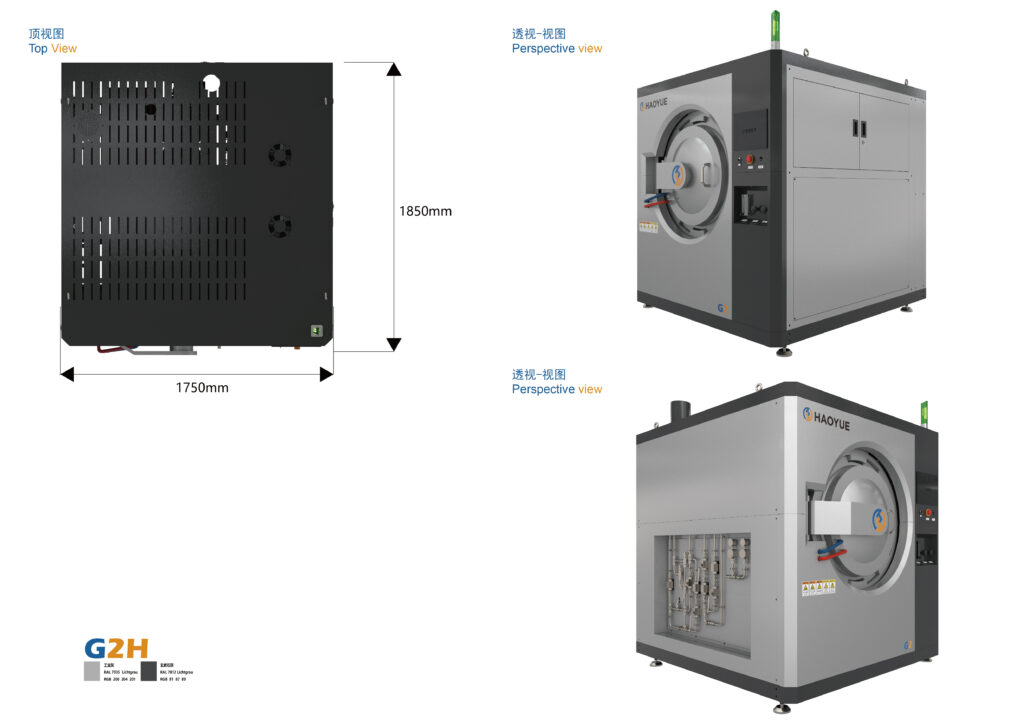
The success of the zirconia sintering process hinges on the quality and precision of the equipment used. Advanced furnaces provide the necessary controlled environments, high temperatures, and sometimes high pressures, to achieve the desired material properties. A reliable vacuum furnace manufacturer or industrial vacuum furnace supplier is crucial for providing the specialized equipment needed for various zirconia compositions and applications. These manufacturers offer furnaces capable of operating under high vacuum, inert gas atmospheres, or specific partial pressures, which are vital for preventing contamination, controlling grain growth, and ensuring phase stability during sintering. For processes like hot pressing and HIP, the integration of precise pressure application systems is equally important.
A vacuum heat treatment furnace manufacturer or a vacuum brazing furnace manufacturer, while perhaps not exclusively focused on sintering, often possesses the core technologies in vacuum and high-temperature control that are transferable and adaptable for zirconia sintering applications. Their expertise in designing robust, energy-efficient, and highly controllable furnace systems is invaluable. Collaborating with such expert manufacturers ensures that the sintering process is optimized for specific zirconia types and end-use requirements, leading to consistent, high-quality ceramic products.
HAOYUE Furnace Technical Parameters for Zirconia Processing
HAOYUE, as a leading vacuum sintering furnace manufacturer, offers a range of advanced furnace solutions specifically designed for the demanding requirements of the zirconia sintering process. Our furnaces provide the precision and control essential for achieving optimal material properties.
- Maximum Temperature: Up to 2200°C, suitable for various zirconia compositions and sintering profiles.
- Vacuum Level: High vacuum capabilities, typically reaching 10^-3 to 10^-5 Pa, crucial for preventing oxidation and ensuring material purity.
- Heating Zones: Multiple independent heating zones for excellent temperature uniformity, often within ±5°C across the hot zone.
- Control Accuracy: Advanced PID temperature control systems ensure precise temperature ramping, holding, and cooling rates.
- Atmosphere Control: Capable of operating under inert gas (argon, nitrogen) atmospheres, partial pressure, or high vacuum, allowing for flexible processing conditions.
- Pressure Application (for Hot Press/HIP): Integrated hydraulic or gas pressure systems up to 200 MPa for hot pressing and 2000 bar for HIP, ensuring uniform densification.
- Load Capacity: Customizable hot zone sizes and load capacities to accommodate diverse production scales, from R&D to mass production.
- Safety Features: Comprehensive safety interlocks, over-temperature protection, and alarm systems for reliable and secure operation.
HAOYUE furnaces are engineered for energy efficiency, long service life, and ease of maintenance, making them a preferred choice for industries reliant on high-quality sintered zirconia components.
Real Overseas Project Cases in Zirconia Sintering
HAOYUE’s commitment to innovation and quality has led to successful partnerships globally, enabling customers to achieve superior results in the zirconia sintering process.
- Case 1: European Biomedical Manufacturer – Dental Implants: A leading European manufacturer of dental prosthetics partnered with HAOYUE to upgrade their sintering capabilities. They required a vacuum furnace manufacturer that could deliver exceptional temperature uniformity and atmosphere control to process 3YSZ for dental crowns and bridges. HAOYUE supplied a custom-designed vacuum sintering furnace with advanced temperature mapping, resulting in a significant reduction in material distortion, improved aesthetics, and an increase in the mechanical strength of the final zirconia products, exceeding ISO standards for dental ceramics.
- Case 2: Asian Advanced Ceramics Research Institute – Solid Oxide Fuel Cells (SOFCs): An esteemed research institute in South Korea utilized a HAOYUE vacuum sintering furnace for the development of yttria-stabilized zirconia (YSZ) electrolytes for SOFCs. The critical requirement was precise control over grain size and porosity to optimize ionic conductivity. The HAOYUE furnace’s ability to maintain high vacuum and perform controlled partial pressure sintering enabled the institute to achieve the desired dense, fine-grained YSZ structures, leading to enhanced fuel cell efficiency in their prototypes.
- Case 3: Middle Eastern Refractory Producer – High-Temperature Furnace Linings: A major producer of industrial refractories in Saudi Arabia sought a robust solution for sintering large zirconia-based refractory blocks. They needed a hot pressing furnace manufacturer capable of handling high loads and providing uniform pressure at extreme temperatures. HAOYUE delivered a large-capacity hot pressing furnace, which allowed the client to produce highly dense, crack-free zirconia refractory components with superior thermal shock resistance and extended service life in their steelmaking furnaces.
Frequently Asked Questions about Zirconia Sintering
Q1: Why is sintering crucial for zirconia?
Sintering is crucial for zirconia because it transforms the porous raw powder compact into a dense, strong, and functional ceramic component. Without sintering, zirconia would lack the mechanical strength, hardness, and wear resistance required for its high-performance applications in biomedical, dental, and industrial sectors. It also helps stabilize the desired crystalline phases.
Q2: What are the main types of zirconia used in sintering?
The main types of zirconia used in sintering include Yttria-Stabilized Zirconia (YSZ), particularly 3YSZ (tetragonal zirconia polycrystal or TZP) for structural applications and 8YSZ (fully stabilized) for oxygen sensors, and Partially Stabilized Zirconia (PSZ), often stabilized with magnesia (Mg-PSZ) for refractories, or ceria (Ce-TZP) for enhanced toughness.
Q3: How does hot pressing differ from pressureless sintering?
Hot pressing differs from pressureless sintering by applying external uniaxial pressure simultaneously with heat. Pressureless sintering relies solely on thermal energy for densification. Hot pressing accelerates densification, achieves higher densities, and helps control grain growth more effectively, resulting in superior mechanical properties, albeit at a higher equipment cost.
Q4: What role does a vacuum sintering furnace manufacturer play in achieving high-quality zirconia?
A vacuum sintering furnace manufacturer plays a vital role by providing specialized equipment capable of precise temperature control, high vacuum levels, and controlled atmospheres. This ensures the zirconia sintering process is free from contaminants, allows for accurate phase stabilization, and facilitates uniform densification, all critical for producing high-quality, defect-free zirconia components with tailored properties.
Q5: What are the common challenges in the zirconia sintering process?
Common challenges in the zirconia sintering process include controlling grain growth to maintain desired mechanical properties, preventing undesirable phase transformations (e.g., tetragonal to monoclinic) during cooling, avoiding cracking due to thermal stresses, achieving uniform densification in complex shapes, and managing residual porosity, especially in pressureless sintering.
The journey of zirconia from a raw powder to a high-performance material underscores the immense impact of advanced manufacturing processes. The continuous innovation in the zirconia sintering process, coupled with the sophisticated capabilities offered by specialized furnace manufacturers, ensures that zirconia will remain at the forefront of material science. As industries evolve and demand even more resilient, precise, and biocompatible materials, the mastery of sintering techniques will continue to unlock new possibilities, pushing the boundaries of what zirconia can achieve in critical applications worldwide.
Related Products & Services
- Vacuum Sintering Furnace – Advanced sintering solutions from HaoYue Group.
- SPS Spark Plasma Sintering System – High-performance SPS solutions from HaoYue Group.
- SPS Spark Plasma Sintering System
Looking for high-quality vacuum furnace solutions? Contact HaoYue Group today.
Related Products & Services
- Vacuum Sintering Furnace – Advanced sintering solutions from HaoYue Group.
- SPS Spark Plasma Sintering System – High-performance SPS solutions from HaoYue Group.
- SPS Spark Plasma Sintering System
Looking for high-quality vacuum furnace solutions? Contact HaoYue Group for more information.
Related Products & Services
- Vacuum Sintering Furnace – Advanced sintering solutions from HaoYue Group.
- SPS Spark Plasma Sintering System
- SPS Spark Plasma Sintering System
Looking for high-quality vacuum furnace solutions? Contact HaoYue Group for more information.
Frequently Asked Questions
Why is zirconia considered a versatile material in various industries?
Zirconia's versatility stems from its polymorphic nature, allowing it to exist in different crystalline forms. This adaptability, combined with properties like high fracture toughness, wear resistance, chemical inertness, and biocompatibility, makes it valuable in industries like medicine, aerospace, and refractories.
What role does yttria play in stabilizing zirconia?
Yttria (Y2O3) stabilizes zirconia by maintaining its high-temperature tetragonal phase down to room temperature or forming a cubic phase. This stabilization enhances zirconia's mechanical properties, making it suitable for applications like dental implants and cutting tools.
How does the zirconia sintering process influence its final properties?
The sintering process determines zirconia's final properties by controlling phase transformations and microstructure. Achieving high density, fine grain size, and stable crystalline phases are crucial for optimizing mechanical performance, which varies with factors like sintering temperature and atmosphere.
What are the advantages of using advanced furnaces in zirconia sintering?
Advanced furnaces, like those from hot isostatic press or vacuum sintering furnace manufacturers, are essential for achieving desired density and strength in zirconia. They ensure precise control over temperature and atmosphere, which is crucial for meeting stringent quality and performance standards.
How does transformation toughening contribute to zirconia's strength?
Transformation toughening enhances zirconia's strength by absorbing energy during stress-induced phase transformations. This process inhibits crack propagation, significantly improving fracture toughness and making zirconia suitable for demanding structural applications.
What are the differences between YSZ and Mg-PSZ in terms of applications?
YSZ, particularly 3YSZ, is favored for structural applications like dental implants due to its mechanical properties, while Mg-PSZ excels in thermal shock resistance and strength, making it suitable for refractory components in demanding environments.