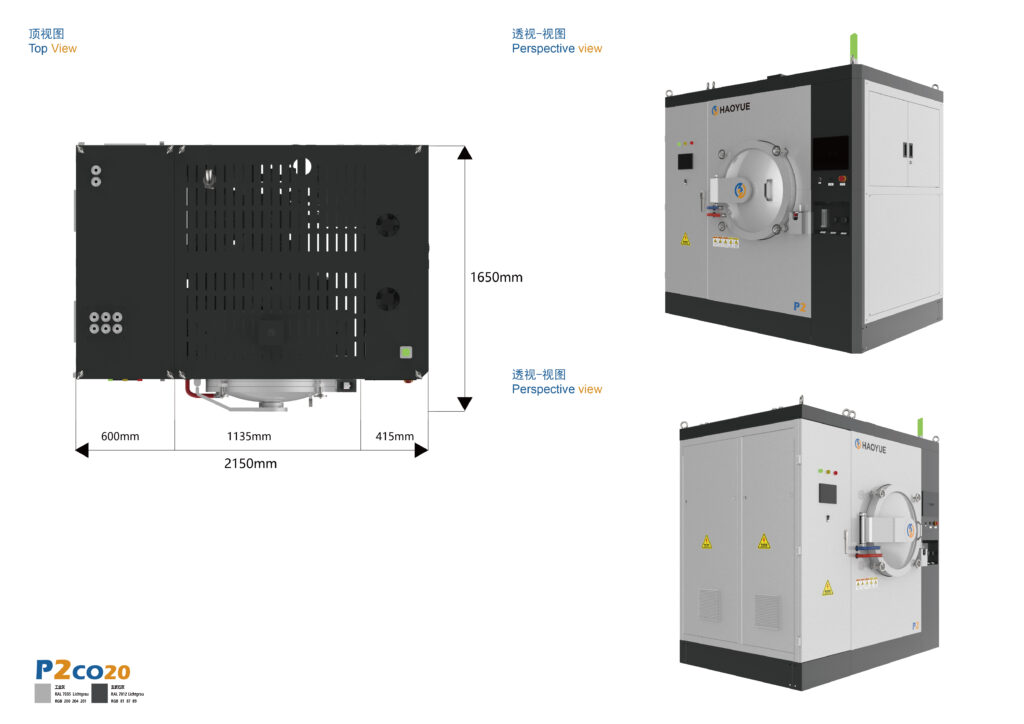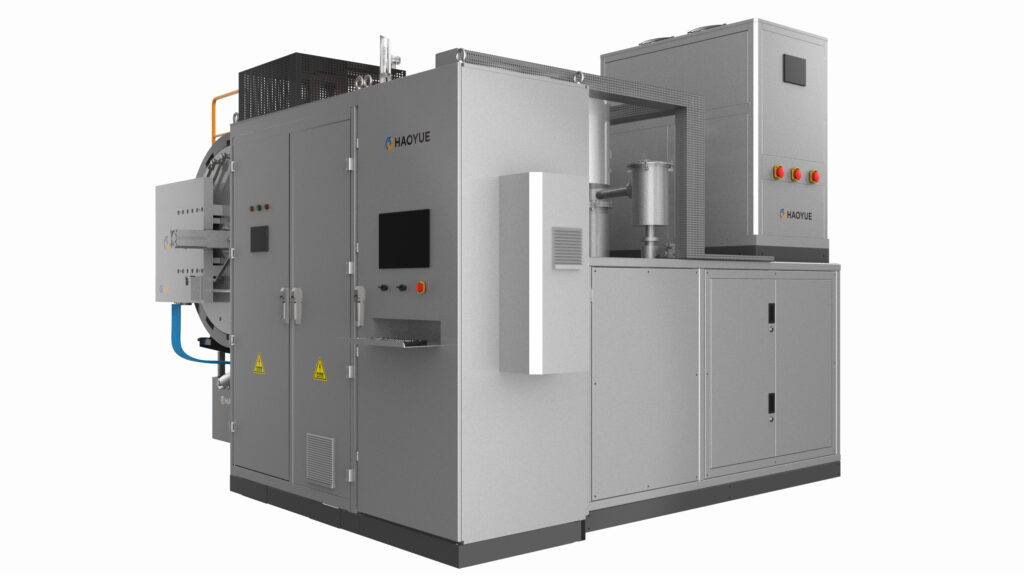






In the rapidly evolving landscape of advanced metallurgy and high-performance ceramics, selecting the right thermal processing equipment is paramount for engineering success. Industrial buyers frequently evaluate the fundamental differences of a vacuum furnace vs atmosphere furnace to achieve precise microstructural control without oxidation. Partnering with an experienced vacuum furnace manufacturer or a specialized vacuum heat treatment furnace manufacturer ensures that your facility can meet stringent international quality standards. Whether processing advanced alloys or technical ceramics, understanding the nuances of thermal dynamics in a controlled vacuum environment is the first step toward manufacturing excellence.
For high-density material consolidation, advanced sintering technologies offer distinct pathways. Engineers often compare SPS vs hot pressing (Spark Plasma Sintering vs Hot Pressing) to determine the optimal heating rate and cycle times for particulate materials. Working with a dedicated SPS furnace manufacturer or a hot pressing furnace manufacturer allows facilities to customize pressure and temperature profiles. Furthermore, when evaluating density requirements for critical components, comparing HIP vs vacuum sintering (Hot Isostatic Pressing) helps determine if post-sintering densification is necessary, requiring consultation with a certified HIP manufacturer. Additionally, understanding the differences between vacuum sintering vs pressure sintering guides engineers in selecting either a standard vacuum unit or a robust gas pressure sintering furnace for specialized applications.
The selection of the thermal cycle is heavily dependent on the material chemistry. For instance, the vacuum sintering process is highly effective for technical ceramics, including high-purity silicon carbide sintering, the precise zirconia sintering process, and the demanding alumina sintering process. In powder metallurgy, achieving optimal hardness and density during tungsten carbide sintering or high-temperature molybdenum sintering requires precise vacuum levels and uniform hot zones to prevent carbon loss or contamination.
Beyond sintering, high-vacuum thermal processing is critical for joining and surface modification. When comparing vacuum brazing vs conventional brazing, the absence of flux and the elimination of oxidation in a vacuum environment yield superior joint strength and cleanliness. Utilizing a high-performance system from a certified vacuum brazing furnace manufacturer streamlines the vacuum brazing process for complex assemblies. For structural components, executing a precise vacuum annealing process or a vacuum hardening process is vital to relieve internal stresses and enhance mechanical properties, particularly during critical titanium alloy heat treatment. For materials sensitive to decarburization or requiring active reduction, a specialized vacuum hydrogen furnace offers the ideal processing atmosphere.
Different industrial sectors require tailor-made thermal processing solutions. The aviation sector relies on an aerospace vacuum furnace and an aerospace heat treatment furnace to certify turbine blades and structural components under strict AMS2750 standards. In the medical field, a specialized medical implant sintering furnace or a compact dental implant vacuum furnace ensures biocompatibility and high density for titanium and zirconia prosthetics. Meanwhile, the electronics and energy sectors leverage a high-purity semiconductor vacuum furnace for wafer processing and a high-capacity battery material sintering furnace to synthesize advanced anode and cathode powders. Tool manufacturers also depend on a dedicated carbide tool sintering furnace to produce high-wear indexing inserts and cutting tools.
Finally, configuring the internal chamber architecture is a critical decision for any procurement engineer. Comparing a graphite furnace vs molybdenum furnace involves evaluating maximum operating temperatures, cleanroom compatibility, and energy efficiency. While graphite hot zones offer robust cost-to-performance ratios, molybdenum all-metal zones are essential for contamination-free semiconductor and medical applications. Consulting with a reputable vacuum sintering furnace manufacturer will help you navigate these technical specifications to select the perfect thermal processing system for your operational needs.