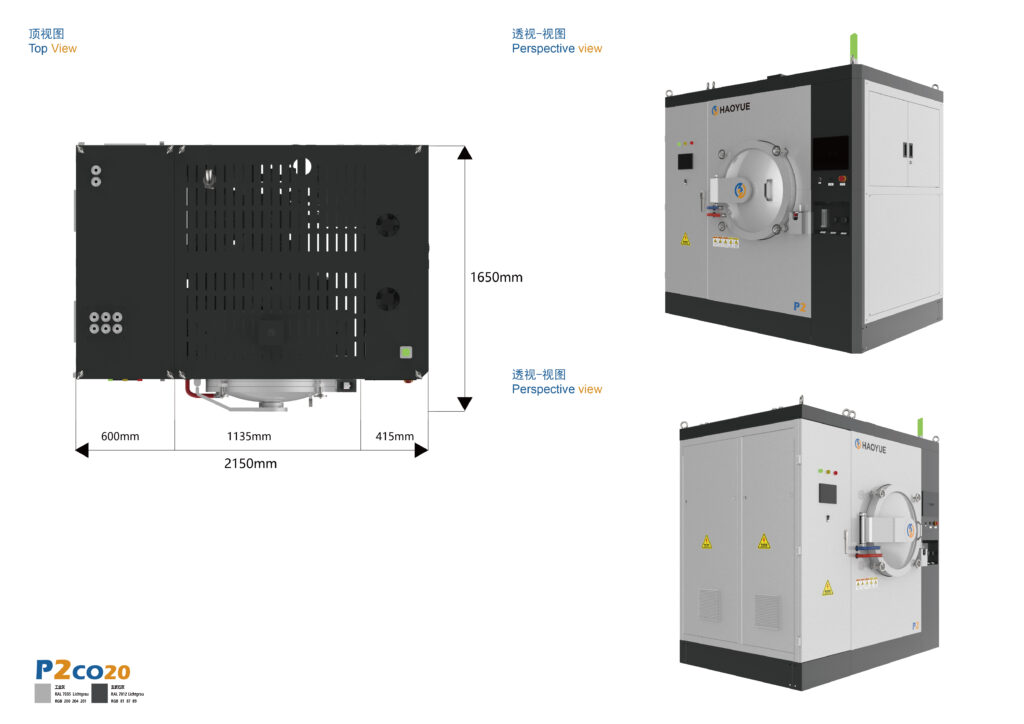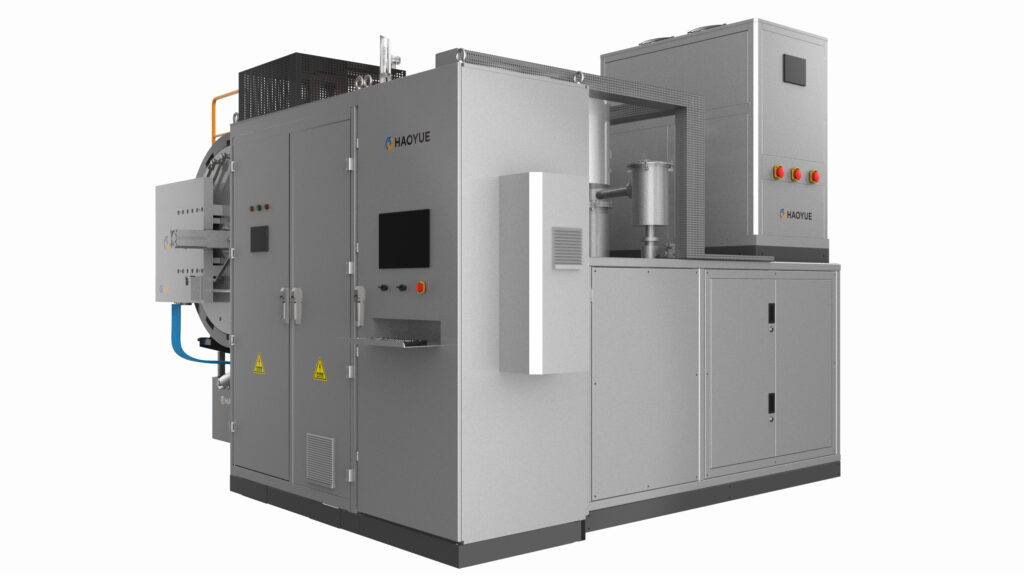






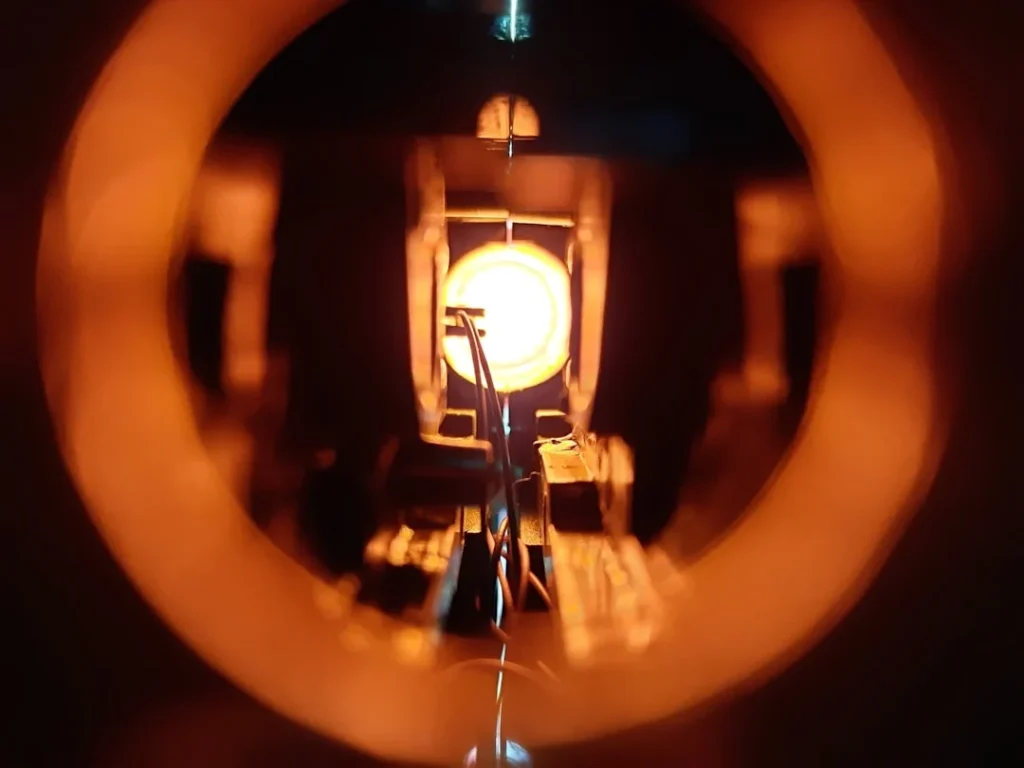
Selecting an industrial thermal processing system requires a deep understanding of material sciences and equipment capabilities. As a leading vacuum furnace manufacturer, we specialize in engineering high-performance thermal systems that meet the rigorous demands of modern manufacturing. Whether you are looking for a trusted vacuum sintering furnace manufacturer, a specialized SPS furnace manufacturer, or an experienced hot pressing furnace manufacturer, selecting the right configuration is critical to operational success. Advanced thermal processing plays a pivotal role in high-tech sectors, utilizing specialized equipment like the aerospace vacuum furnace, aerospace heat treatment furnace, and medical implant sintering furnace to achieve exact material properties.
For advanced ceramics and refractory metals, precise thermal profiles are non-negotiable. The vacuum sintering process provides an oxygen-free environment that prevents oxidation and promotes high densification. This is highly apparent in silicon carbide sintering and the zirconia sintering process, both of which require precise temperature controls to avoid microstructural defects. Similarly, the alumina sintering process is critical for producing high-purity wear-resistant components. In the medical sector, utilizing a dedicated dental implant vacuum furnace ensures biocompatibility and structural integrity. For heavy industrial applications, tungsten carbide sintering and molybdenum sintering rely on controlled atmospheres to achieve maximum hardness. These processes are often optimized using a specialized carbide tool sintering furnace or a battery material sintering furnace for energy storage applications.
Beyond sintering, precise thermal modification of metals is achieved through advanced heat treatment. Partnering with an established vacuum heat treatment furnace manufacturer allows facilities to implement a reliable vacuum annealing process to relieve internal stresses, or a vacuum hardening process to enhance wear resistance. For advanced metallurgy, a titanium alloy heat treatment protocol ensures components meet aerospace-grade tensile strengths. Furthermore, joining dissimilar metals requires a specialized vacuum brazing furnace manufacturer to facilitate the vacuum brazing process, which offers superior joint strength and cleanliness. For specialized chemical reactions and reduction processes, utilizing a high-purity vacuum hydrogen furnace or a specialized semiconductor vacuum furnace is essential to prevent contamination during wafer fabrication.
When designing a production line, engineers must evaluate various technology trade-offs. One common debate centers around SPS vs hot pressing (Spark Plasma Sintering vs Hot Pressing), where SPS offers faster cycle times while hot pressing provides uniform pressure distribution for larger parts. When evaluating densification methods, comparing HIP vs vacuum sintering (Hot Isostatic Pressing) is crucial; HIP achieves near-theoretical density but at a higher capital cost. Similarly, analyzing vacuum sintering vs pressure sintering helps determine if auxiliary gas pressure is needed to eliminate closed porosity, often requiring a robust gas pressure sintering furnace. When choosing a thermal environment, the decision of vacuum furnace vs atmosphere furnace depends on the oxidation sensitivity of the workload. Furthermore, selecting the heating element and insulation type, such as graphite furnace vs molybdenum furnace, affects the maximum operating temperature and chemical compatibility with the processed parts. Finally, for joining assemblies, evaluating vacuum brazing vs conventional brazing highlights the flux-free, distortion-free advantages of vacuum-based thermal processing.
In conclusion, choosing the right thermal processing setup requires matching material requirements with the correct equipment capabilities. From partnering with an elite HIP manufacturer to selecting specialized sintering furnaces, every decision impacts the final product’s performance. Investing in high-quality vacuum systems ensures long-term reliability, precise process control, and superior material properties across all industrial applications.