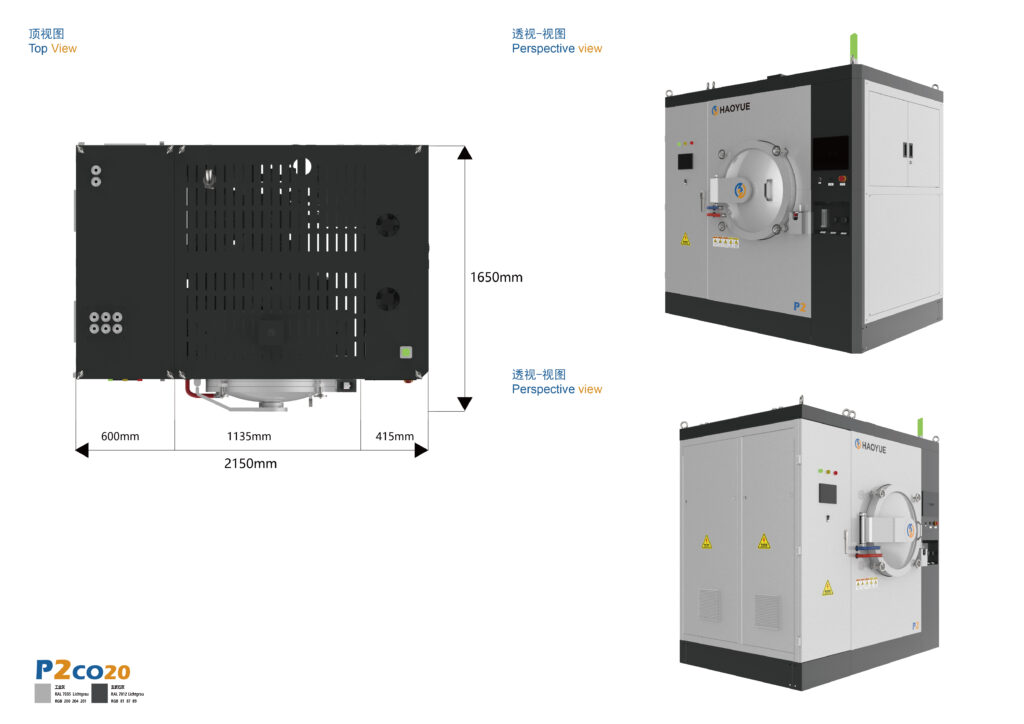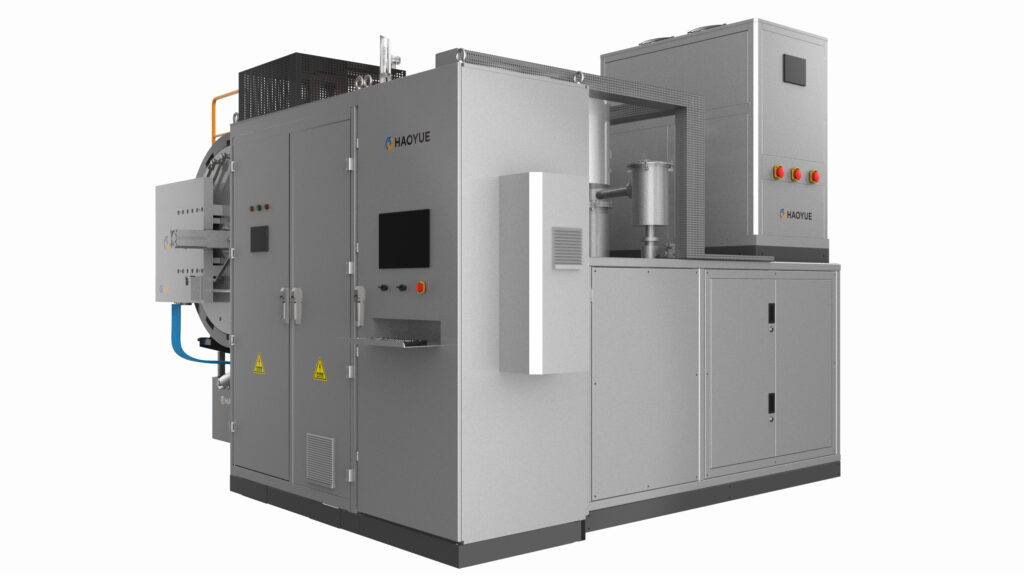






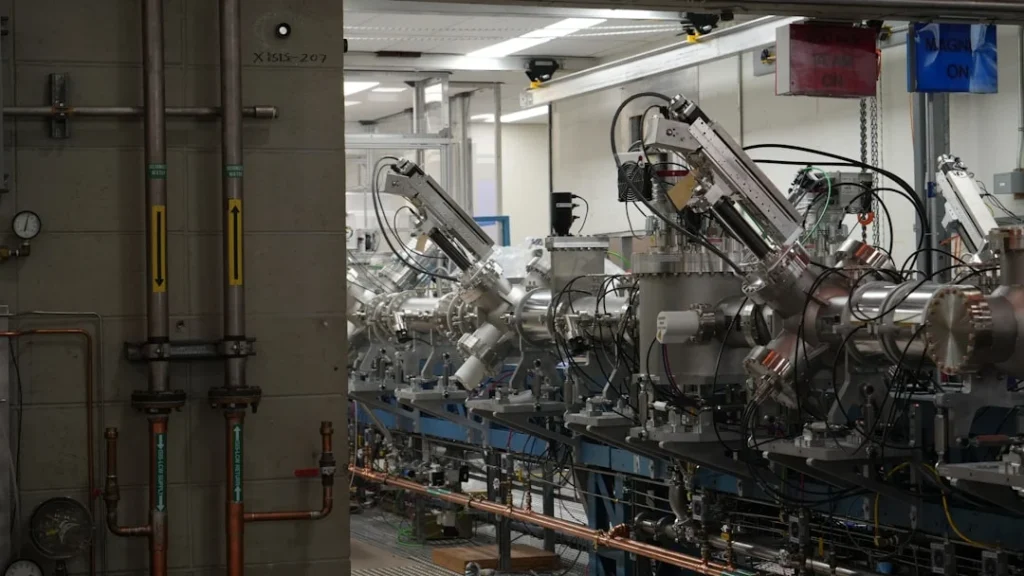
In the rapidly evolving landscape of advanced metallurgy and material science, selecting the right thermal processing technology is paramount to achieving superior material properties. As a leading vacuum furnace manufacturer, we understand that modern engineering demands extreme precision, clean environments, and highly controllable thermal cycles. From aerospace components to medical devices, the shift toward vacuum-based thermal processing has redefined manufacturing standards, highlighting the importance of partnering with an experienced vacuum sintering furnace manufacturer to navigate complex thermal cycles.
Sintering Innovations: SPS, HIP, and Pressure Sintering
For advanced ceramics and powder metallurgy, selecting the correct consolidation method is critical. When comparing SPS vs hot pressing, Spark Plasma Sintering (SPS) offers rapid heating rates and shorter cycle times, making a specialized SPS furnace manufacturer a key partner for cutting-edge research and high-throughput production. Conversely, a hot pressing furnace manufacturer provides systems optimized for uniaxial pressure application at elevated temperatures, ideal for dense, large-scale ceramic matrices.
When evaluating high-density components, manufacturers often weigh HIP vs vacuum sintering. Hot Isostatic Pressing (HIP), provided by a specialized HIP manufacturer, utilizes simultaneous high temperature and isostatic gas pressure to eliminate internal porosity. In contrast, standard vacuum sintering relies on thermal energy alone, though a gas pressure sintering furnace can bridge the gap by introducing overpressure during the final stages of sintering. Understanding vacuum sintering vs pressure sintering is essential for optimizing the mechanical properties of materials like engineering ceramics.
These advanced systems are vital for challenging material operations, including silicon carbide sintering, zirconia sintering process, and alumina sintering process. For heavy-duty industrial wear parts, executing a precise tungsten carbide sintering or molybdenum sintering run requires precise atmospheric control to prevent oxidation and ensure uniform grain growth.
Vacuum Heat Treatment and Brazing Processes
Beyond sintering, precise thermal modification is crucial for structural alloys. A certified vacuum heat treatment furnace manufacturer designs systems capable of executing a flawless vacuum annealing process to relieve internal stresses, or a vacuum hardening process to achieve maximum wear resistance. For specialized reactive metals, a vacuum hydrogen furnace provides a highly reducing atmosphere to prevent oxidation and remove impurities.
When configuring these systems, engineers must decide between a graphite furnace vs molybdenum furnace. Graphite hot zones are highly cost-effective and durable for high-temperature carbon-tolerant materials, whereas molybdenum hot zones are mandatory for clean-room environments and carbon-sensitive alloys. Furthermore, understanding the benefits of a vacuum furnace vs atmosphere furnace is critical; vacuum systems eliminate convective heat transfer and oxidation risks, ensuring pristine surface finishes.
In joining technologies, the transition to a vacuum brazing process has revolutionized assembly lines. When comparing vacuum brazing vs conventional brazing, vacuum-based joining eliminates the need for corrosive fluxes, resulting in cleaner, stronger, and void-free joints. Partnering with a dedicated vacuum brazing furnace manufacturer ensures that complex multi-channel assemblies, such as heat exchangers, meet strict leak-tightness standards.
Industry-Specific Thermal Solutions
Thermal processing requirements vary drastically across high-tech sectors. In aviation, an aerospace vacuum furnace or an aerospace heat treatment furnace must comply with stringent AMS2750 specifications to perform critical operations like titanium alloy heat treatment for turbine blades and structural airframes.
In the biomedical sector, biocompatibility is paramount. Utilizing a medical implant sintering furnace or a specialized dental implant vacuum furnace ensures that orthopedic joints and dental prosthetics undergo pristine thermal cycles free of contaminants.
For electronics and energy, a specialized semiconductor vacuum furnace is used for wafer processing and advanced packaging, while a battery material sintering furnace optimizes the electrochemical performance of anode and cathode powders. Additionally, a carbide tool sintering furnace is indispensable for producing high-hardness cutting inserts used in heavy machining.
Conclusion: Selecting the Right Thermal Partner
Achieving peak performance in advanced manufacturing requires more than just standard equipment; it demands a deep understanding of the underlying thermal dynamics. Whether you are optimizing a vacuum sintering process or integrating complex heat treatment cycles, collaborating with a world-class industrial thermal expert ensures your operations remain competitive, efficient, and precise.