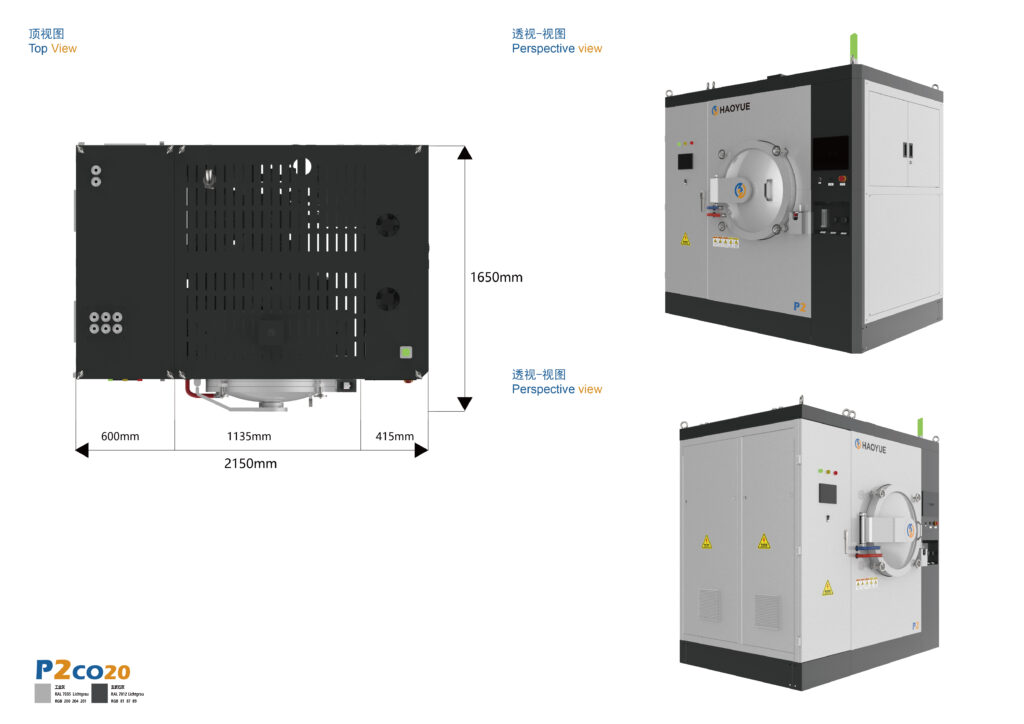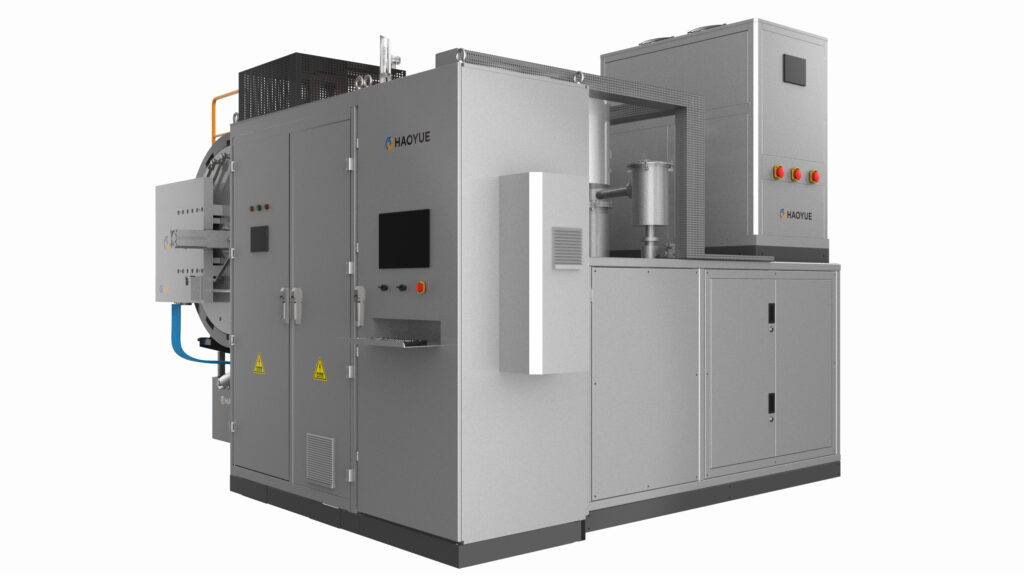






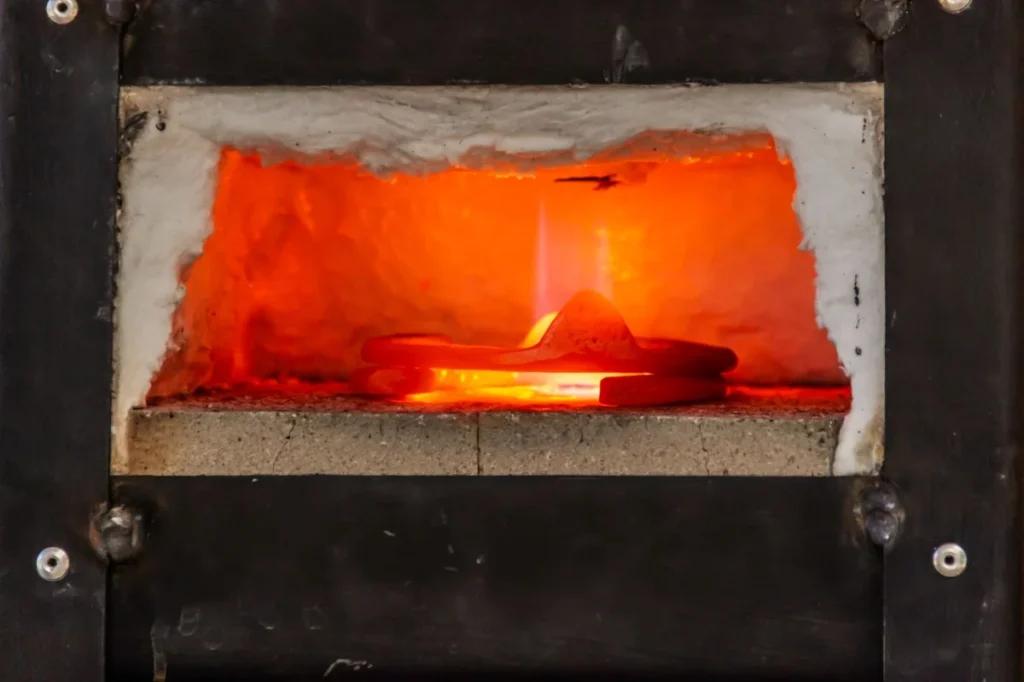
In the rapidly evolving landscape of advanced metallurgy, technical ceramics, and semiconductor manufacturing, achieving precise thermal control is paramount. For industrial buyers and thermal engineers, selecting the right equipment is a critical decision that directly impacts product quality, mechanical properties, and production efficiency. Partnering with a leading vacuum furnace manufacturer or a specialized vacuum sintering furnace manufacturer ensures access to state-of-the-art thermal systems engineered for extreme environments. Modern industrial applications demand highly controlled atmospheres to prevent oxidation and contamination, making advanced vacuum systems the gold standard for high-performance material processing.
Advanced Sintering Technologies: SPS, Hot Pressing, and HIP
Sintering is a critical phase in producing high-density, high-strength components. When evaluating consolidation methods, engineers often analyze SPS vs hot pressing. Spark Plasma Sintering (SPS) offers rapid heating rates and shorter cycle times, making an experienced SPS furnace manufacturer invaluable for projects requiring fine grain structures. Conversely, for larger, uniform components, a hot pressing furnace manufacturer provides systems optimized for simultaneous heat and uniaxial pressure. For the ultimate densification of critical components, comparing HIP vs vacuum sintering reveals that Hot Isostatic Pressing (HIP) eliminates internal porosity through high-pressure inert gas. Working with an established HIP manufacturer allows industries to achieve near-theoretical density in complex geometries.
These advanced consolidation systems are vital for demanding materials. For instance, high-temperature structural ceramics rely heavily on precise silicon carbide sintering and high-purity alumina sintering process parameters. In medical and dental fields, the zirconia sintering process is essential for fabricating high-strength, biocompatible prosthetics. Furthermore, heavy-duty industrial applications depend on precise tungsten carbide sintering for cutting tools, as well as specialized molybdenum sintering to produce robust refractory metal components.
Precision Heat Treatment and Vacuum Brazing
Beyond sintering, thermal processing encompasses critical surface modification and joining techniques. Implementing a controlled vacuum annealing process relieves internal stresses in machined parts, while a rigorous vacuum hardening process enhances wear resistance without surface decarburization. For specialized aerospace components, executing a precise titanium alloy heat treatment is crucial to achieving the required tensile strength and fatigue resistance. Consulting with a dedicated vacuum heat treatment furnace manufacturer helps facilities customize heating profiles and quenching rates to meet strict aerospace and defense standards.
When joining dissimilar metals or ceramics, analyzing vacuum brazing vs conventional brazing highlights the superiority of vacuum environments. The vacuum brazing process eliminates the need for corrosive fluxes, resulting in clean, high-strength joint interfaces free of voids. Partnering with a specialized vacuum brazing furnace manufacturer guarantees the thermal uniformity necessary for complex assemblies used in high-vacuum and high-pressure applications.
Industry-Specific Thermal Solutions
Different sectors require tailored thermal processing environments to meet stringent regulatory and performance standards. In the aviation sector, utilizing an aerospace vacuum furnace or an aerospace heat treatment furnace is mandatory to comply with Nadcap specifications. In healthcare, a high-purity medical implant sintering furnace or a specialized dental implant vacuum furnace ensures the sterile, bio-inert processing of titanium and zirconia devices. The electronics sector relies heavily on high-purity systems, where a semiconductor vacuum furnace is utilized for wafer processing, thin-film deposition, and annealing. Additionally, the green energy transition has accelerated the demand for specialized battery material sintering furnace systems to process advanced anode and cathode powders, while the industrial tooling sector depends on a robust carbide tool sintering furnace to manufacture wear-resistant cutting inserts.
To support these diverse applications, manufacturers offer specialized atmosphere controls. For example, a vacuum hydrogen furnace provides a highly reducing atmosphere ideal for cleaning and sintering refractory metals, while a gas pressure sintering furnace combines vacuum heating with overpressure gas to suppress material decomposition at ultra-high temperatures.
Key Technical Comparisons for Equipment Buyers
Selecting the optimal thermal processing system requires a deep understanding of equipment configurations. When comparing vacuum sintering vs pressure sintering, vacuum sintering is highly cost-effective for standard powder metallurgy, whereas pressure sintering is indispensable for suppressing volatile phase evaporation in advanced ceramics. Furthermore, the choice of vacuum furnace vs atmosphere furnace depends on the sensitivity of the material; vacuum systems offer superior contamination control, whereas atmosphere furnaces are suitable for processes requiring continuous gas flows at positive pressures.
On a structural level, evaluating a graphite furnace vs molybdenum furnace is crucial. Graphite hot zones are highly cost-effective and durable up to ultra-high temperatures in vacuum or inert gas, making them ideal for structural ceramics. However, for cleanroom environments and semiconductor applications where carbon contamination must be strictly avoided, a molybdenum-shielded metal hot zone furnace is the industry standard.