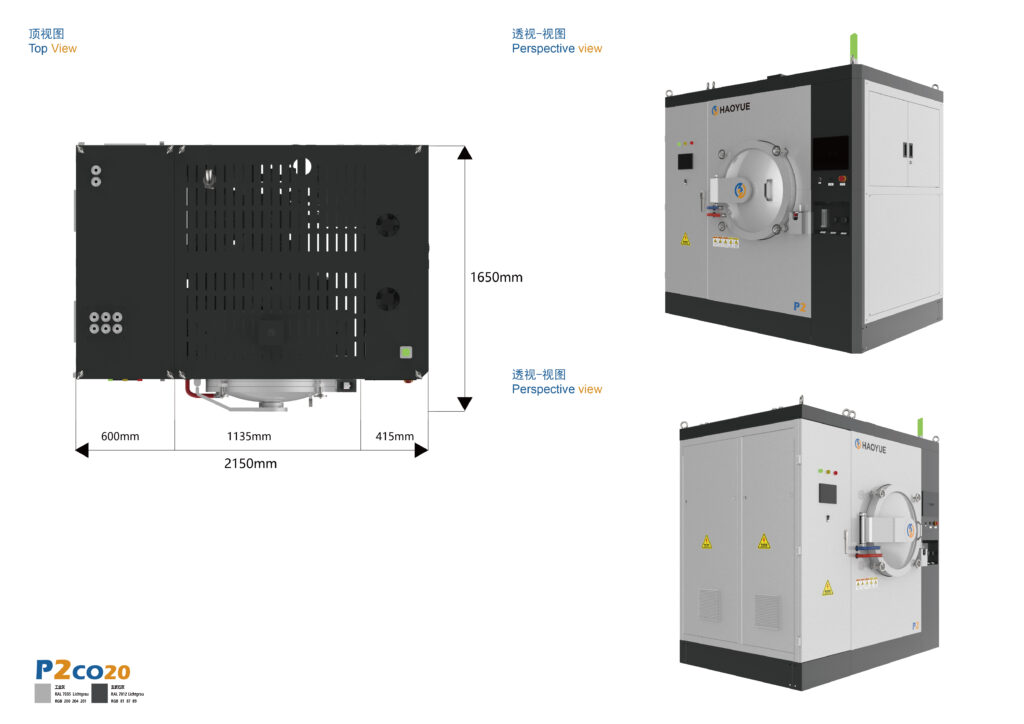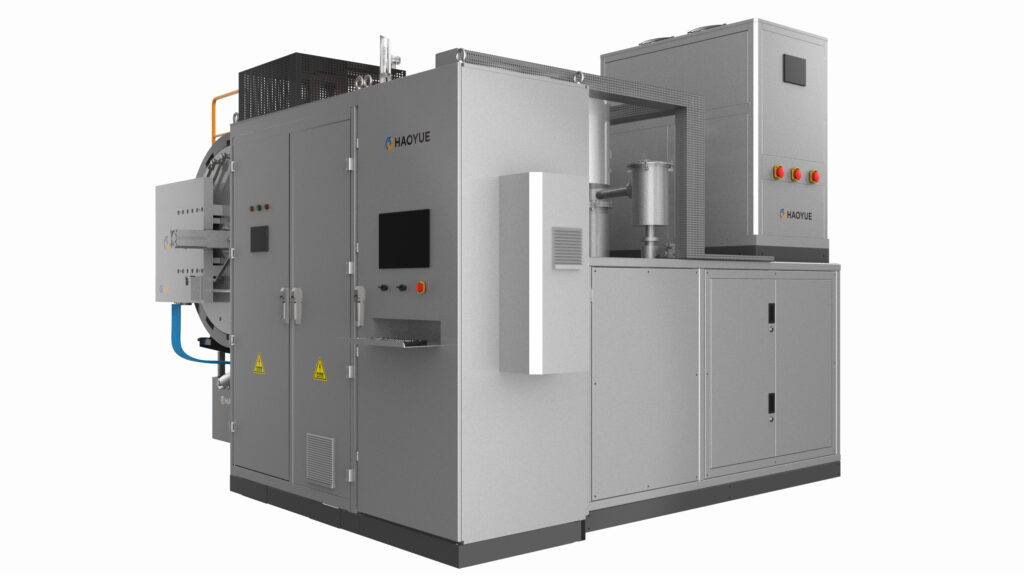






In the modern manufacturing landscape, advanced thermal processing technologies are essential for producing high-performance materials and components. For metallurgy and material science engineers, selecting the right thermal processing equipment requires a deep understanding of thermodynamics, material properties, and equipment capabilities. When evaluating system designs, the fundamental comparison of a vacuum furnace vs atmosphere furnace is often the first step, as operating in a vacuum eliminates oxidation and contamination, ensuring pristine surface finishes and superior mechanical properties.
Advanced Sintering Technologies and Equipment Selection
Sintering is a critical phase in producing advanced ceramics and powder metallurgy parts. Selecting the right vacuum sintering furnace manufacturer is vital for achieving optimal density and grain structure. For ultra-fast densification, Spark Plasma Sintering (SPS) has revolutionized the industry. Engineers comparing SPS vs hot pressing often find that SPS utilizes pulsed direct current to achieve rapid heating rates and lower sintering temperatures, whereas a traditional hot pressing furnace manufacturer designs systems that rely on mechanical pressure and thermal conduction over longer cycles. For ultra-dense, defect-free components, Hot Isostatic Pressing is unparalleled. Consulting a certified HIP manufacturer allows facilities to evaluate the trade-offs of HIP vs vacuum sintering, where HIP applies high-pressure inert gas to eliminate internal porosity, whereas the standard vacuum sintering process relies purely on thermal energy and vacuum conditions to drive solid-state diffusion.
For advanced technical ceramics, specific equipment is engineered for targeted reactions. A specialized gas pressure sintering furnace is highly effective for materials that dissociate at high temperatures. For instance, achieving high density during silicon carbide sintering requires precise control over temperature and overpressure. Similarly, the zirconia sintering process and alumina sintering process require highly uniform thermal zones to prevent micro-cracking and ensure structural integrity. In the tooling industry, a dedicated carbide tool sintering furnace is utilized for tungsten carbide sintering, ensuring the perfect balance of hardness and fracture toughness. Additionally, high-temperature refractory metals undergo densification via molybdenum sintering, which often requires a specialized vacuum hydrogen furnace to reduce any residual oxides and prevent embrittlement.
Precision Brazing and Heat Treatment Processes
Beyond sintering, vacuum thermal systems are critical for joining and surface modification. Implementing a high-vacuum environment transforms traditional joining methods; comparing vacuum brazing vs conventional brazing highlights how vacuum systems eliminate the need for corrosive fluxes, resulting in clean, oxide-free joints with exceptional shear strength. Partnering with an experienced vacuum brazing furnace manufacturer ensures the system can handle the precise ramp rates required for a successful vacuum brazing process on complex geometries.
For structural modifications, a reliable vacuum heat treatment furnace manufacturer provides the exact thermal profiles needed for critical metallurgical transformations. This includes the vacuum annealing process to relieve internal stresses and improve ductility, as well as the vacuum hardening process to achieve superior wear resistance without surface decarburization. These processes are highly critical during titanium alloy heat treatment, where any exposure to oxygen or nitrogen can cause severe embrittlement.
Industry-Specific Thermal Solutions
Different industries demand highly tailored thermal solutions to meet strict regulatory and performance standards. In high-performance sectors, the aerospace vacuum furnace and aerospace heat treatment furnace are designed to meet stringent AMS2750 standards, ensuring absolute thermal uniformity for critical engine and structural components. In the medical sector, biocompatibility is paramount; thus, utilizing a specialized medical implant sintering furnace or a compact dental implant vacuum furnace ensures that orthopedic implants and dental prosthetics are sintered to full density without any trace contaminants. Furthermore, the energy sector relies on a high-throughput battery material sintering furnace to synthesize advanced anode and cathode powders under precise thermal conditions.
In the high-tech sector, a specialized semiconductor vacuum furnace is engineered with ultra-clean, oil-free vacuum systems to process silicon wafers and advanced microelectronics. When sourcing these systems, consulting an established vacuum furnace manufacturer is key to selecting the correct hot zone construction. Engineers must evaluate the benefits of a graphite furnace vs molybdenum furnace; graphite hot zones offer excellent thermal uniformity and cost-efficiency at extreme temperatures, whereas molybdenum hot zones are mandatory for cleanroom-compatible, carbon-free environments such as those required in semiconductor and medical applications.
Ultimately, whether you are comparing vacuum sintering vs pressure sintering or selecting a high-speed SPS furnace manufacturer, partnering with an experienced industrial thermal equipment provider is the key to achieving consistent, high-yield production and meeting the demanding specifications of modern engineering.