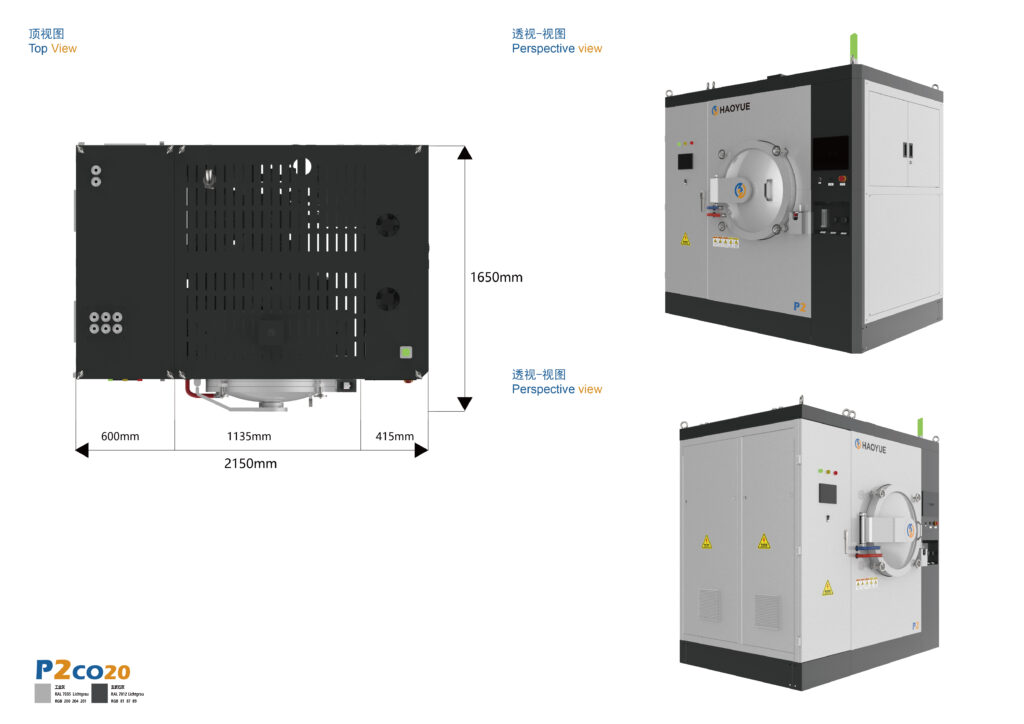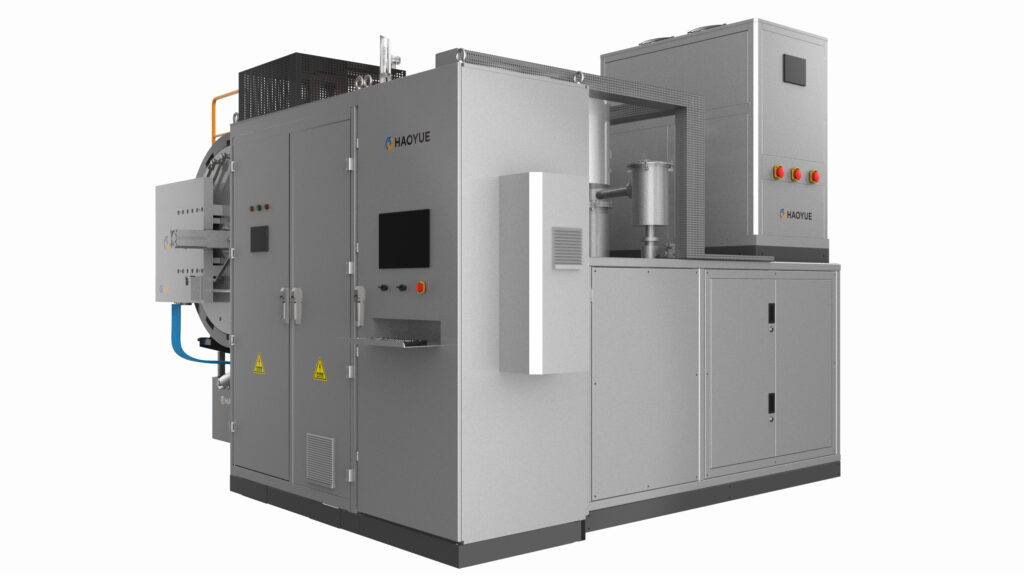






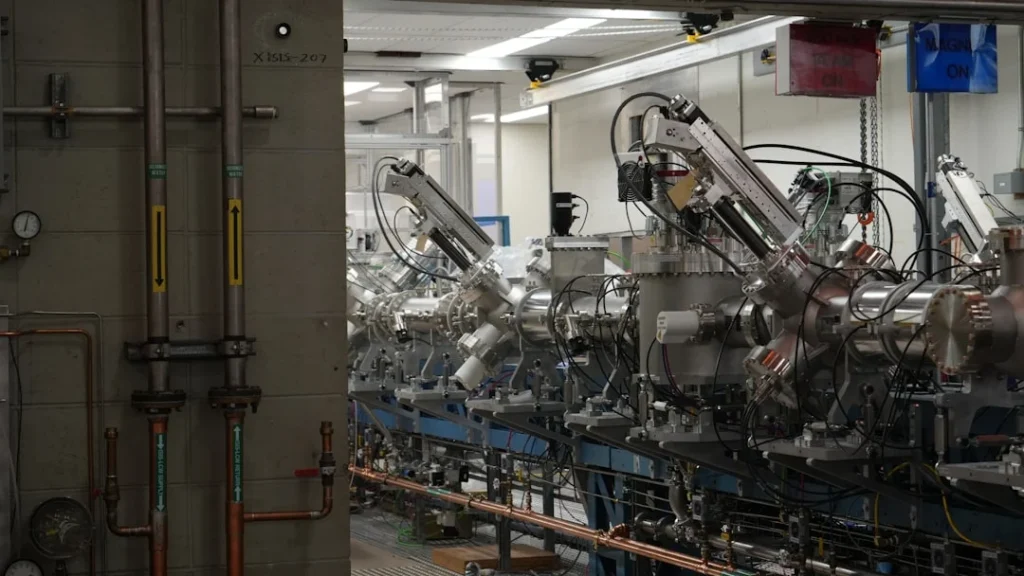
In modern industrial manufacturing, achieving precise material properties requires state-of-the-art thermal processing solutions. Selecting the right equipment and methods is crucial for engineers and procurement specialists looking to optimize production efficiency. As a premier vacuum furnace manufacturer, we understand that high-performance materials demand tailored thermal environments. When evaluating thermal options, understanding the differences between a vacuum furnace vs atmosphere furnace is fundamental; vacuum systems eliminate oxidation and contamination, providing a level of purity that conventional atmosphere systems simply cannot match. For industries relying on advanced powder metallurgy, partnering with an experienced vacuum sintering furnace manufacturer ensures access to systems engineered for precise temperature control and uniform heating.
Advanced material synthesis relies heavily on specialized sintering techniques. The vacuum sintering process is highly effective for consolidating advanced ceramics and refractory metals. For instance, achieving high density during silicon carbide sintering, zirconia sintering process, and alumina sintering process operations is critical for structural and electronic components. Similarly, heavy-duty industrial applications require precise tungsten carbide sintering and high-temperature molybdenum sintering to achieve maximum hardness and wear resistance. These processes are commonly executed in specialized machinery like a carbide tool sintering furnace, as well as highly regulated medical systems such as a medical implant sintering furnace or a precise dental implant vacuum furnace.
When standard sintering is insufficient for extreme density requirements, engineers must compare advanced consolidation methods, such as SPS vs hot pressing. Spark Plasma Sintering, supplied by a leading SPS furnace manufacturer, utilizes pulsed direct current to achieve rapid densification at lower temperatures. Alternatively, a hot pressing furnace manufacturer provides systems that combine uniaxial pressure with high heat for large-scale structural parts. For complex, net-shape components, choosing a specialized HIP manufacturer for Hot Isostatic Pressing offers isotropic properties. When evaluating HIP vs vacuum sintering or vacuum sintering vs pressure sintering, the decision often comes down to the required material density and geometry complexity. For high-strength ceramics and silicon nitride, a gas pressure sintering furnace provides the necessary overpressure to prevent thermal decomposition, while a specialized battery material sintering furnace handles the delicate calcination of cathode and anode materials.
Beyond sintering, high-vacuum thermal treatments are vital for structural integrity. An experienced vacuum heat treatment furnace manufacturer designs systems capable of executing precise thermal cycles. These include the vacuum annealing process to relieve internal stresses and the vacuum hardening process to maximize wear resistance in tool steels. In critical sectors, an aerospace vacuum furnace and an aerospace heat treatment furnace must meet strict NADCAP standards, especially during complex titanium alloy heat treatment procedures. Furthermore, joining critical components requires a reliable vacuum brazing furnace manufacturer. Implementing a controlled vacuum brazing process eliminates the need for flux, offering superior joint strength and aesthetics when comparing vacuum brazing vs conventional brazing methods.
Specialized fields such as microelectronics and green energy demand highly customized thermal solutions. A high-purity semiconductor vacuum furnace is essential for wafer processing, annealing, and thin-film deposition under ultra-clean conditions. For processing advanced alloys and reducing oxides, a vacuum hydrogen furnace provides a highly controlled reducing atmosphere. When designing these high-temperature systems, selecting the appropriate heating element and insulation zone is critical; comparing a graphite furnace vs molybdenum furnace reveals that while graphite offers excellent thermal uniformity and cost-efficiency at extreme temperatures, molybdenum hot zones are indispensable for cleanroom environments and carbon-sensitive materials.
Ultimately, selecting the right industrial thermal equipment requires a deep understanding of material science, process parameters, and equipment capabilities. Whether you are upgrading your production line with a new sintering system or optimizing your heat treatment workflows, partnering with an authoritative manufacturer guarantees long-term reliability and superior product quality.