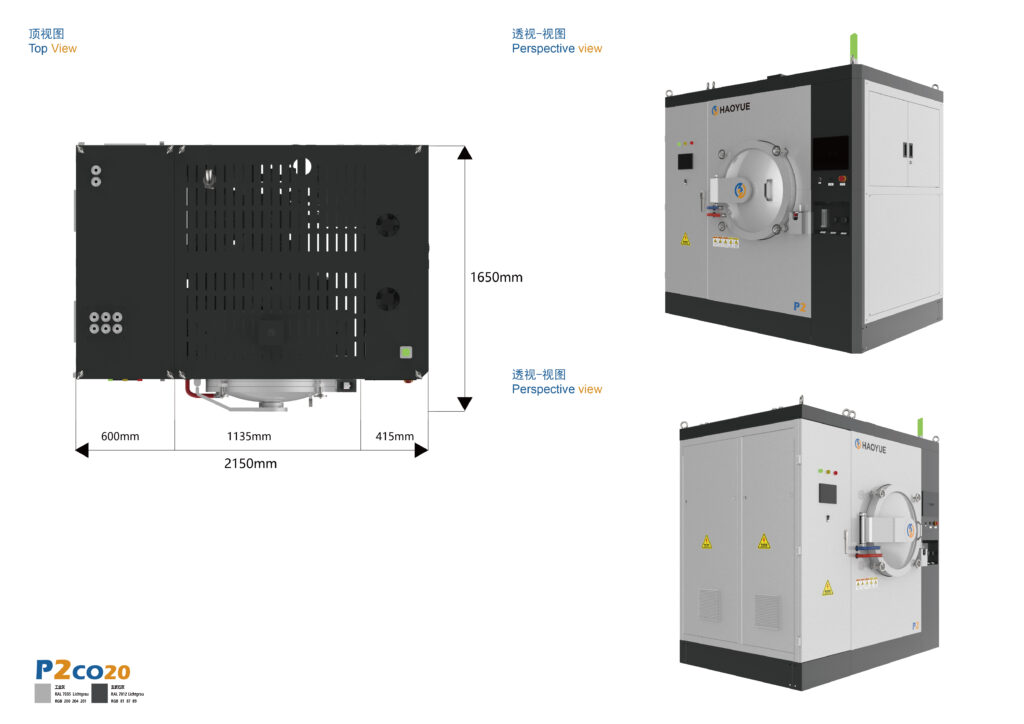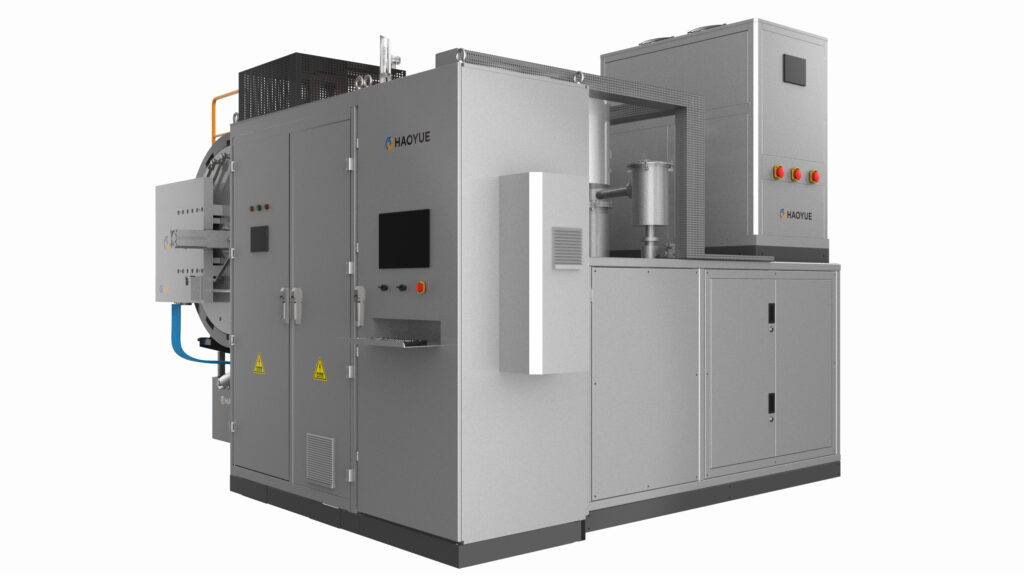






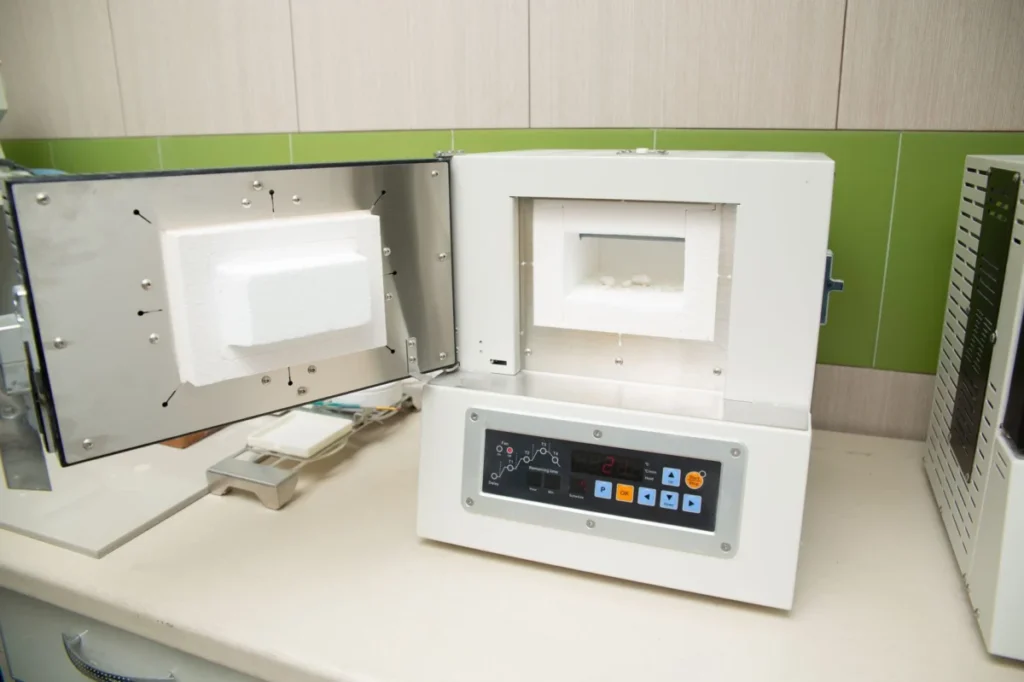
In the rapidly evolving landscape of advanced metallurgy and structural ceramics, achieving precise material properties requires highly controlled thermal environments. For industrial buyers and thermal engineers, partnering with an established 真空炉制造商 is the first step toward optimizing production quality. Choosing the right configuration, such as evaluating a 真空炉与气氛炉, dictates the purity, density, and mechanical integrity of the final component. By eliminating atmospheric gases, vacuum systems prevent oxidation and decarburization, making them indispensable for high-value engineering applications.
State-of-the-Art Sintering and Pressing Technologies
Modern powder metallurgy relies on diverse compaction and thermal consolidation methods. When dealing with difficult-to-sinter materials, engineers often evaluate SPS 与热压法对比. Spark Plasma Sintering offers rapid heating rates and shorter cycle times, and sourcing from a specialized SPS炉制造商 ensures access to precise pulsed direct current controls. Conversely, collaborating with a 热压炉制造商 provides the continuous uniaxial pressure needed for large-scale structural parts. For post-sintering densification, comparing HIP 与 真空烧结 reveals that Hot Isostatic Pressing eliminates residual porosity through high-pressure inert gas. Working with a qualified HIP制造商 allows facilities to achieve near-theoretical density in critical aerospace and medical components. Additionally, understanding the differences between 真空烧结与压力烧结 helps engineers select between standard vacuum cycles and overpressure options, such as those provided by a multi-functional 气体压力烧结炉.
材料特定的烧结和热处理工艺
Different materials demand custom thermal profiles to control grain growth and phase transformation. For ultra-high-temperature ceramics, the 碳化硅烧结 process requires precise atmosphere control to handle covalent bonding challenges. Similarly, dental and orthopedic applications rely on a dedicated 氧化锆烧结工艺 或者 氧化铝烧结工艺 to achieve high translucency and biocompatibility. In the tooling sector, a specialized 硬质合金刀具烧结炉 is engineered specifically for the liquid-phase 碳化钨烧结 process, ensuring optimal cobalt distribution. For refractory metals, high-vacuum 钼烧结 prevents embrittlement. Beyond sintering, precise post-processing like 钛合金热处理 is critical for stabilizing alpha-beta phases in structural components.
Specialized Systems and Jointing Technologies
To meet strict contamination limits, advanced manufacturing facilities utilize highly specialized systems. A 半导体真空炉 provides the ultra-clean, high-vacuum environment necessary for wafer processing and sensor packaging. For applications requiring reducing atmospheres to eliminate oxides, a 真空氢气炉 offers safe, controlled hydrogen gas integration. When joining complex assemblies, consulting a premier 真空钎焊炉制造商 ensures the acquisition of systems capable of executing a flawless 真空钎焊工艺. 比较 真空钎焊与传统钎焊 highlights the superior joint strength and clean aesthetics achieved without corrosive fluxes. These systems seamlessly execute multiple thermal cycles, including the 真空烧结工艺, 真空退火工艺 for stress relief, and 真空硬化工艺 for wear resistance. When configuring these units, selecting a 石墨炉与钼炉 hot zone is a critical decision; graphite offers cost-effective high-temperature performance, while molybdenum ensures a carbon-free environment for sensitive alloys.
行业专用散热解决方案
Different industries demand tailored 热处理 equipment. In commercial aviation and defense, utilizing an 航空航天真空炉 或经认证的 航空航天热处理炉 is mandatory to meet strict NADCAP pyrometry standards. For life sciences, a high-purity 医用植入物烧结炉 或者一款紧凑型产品 牙科植入体真空炉 ensures the sterile, defect-free production of joint replacements and dental crowns. Additionally, the green energy sector relies on a specialized 电池材料烧结炉 to synthesize high-capacity anode and cathode powders under precise thermal conditions. To integrate these diverse capabilities, working with an experienced 真空烧结炉制造商 或专门的 真空热处理炉制造商 ensures that your equipment is optimized for your specific regulatory and material requirements.