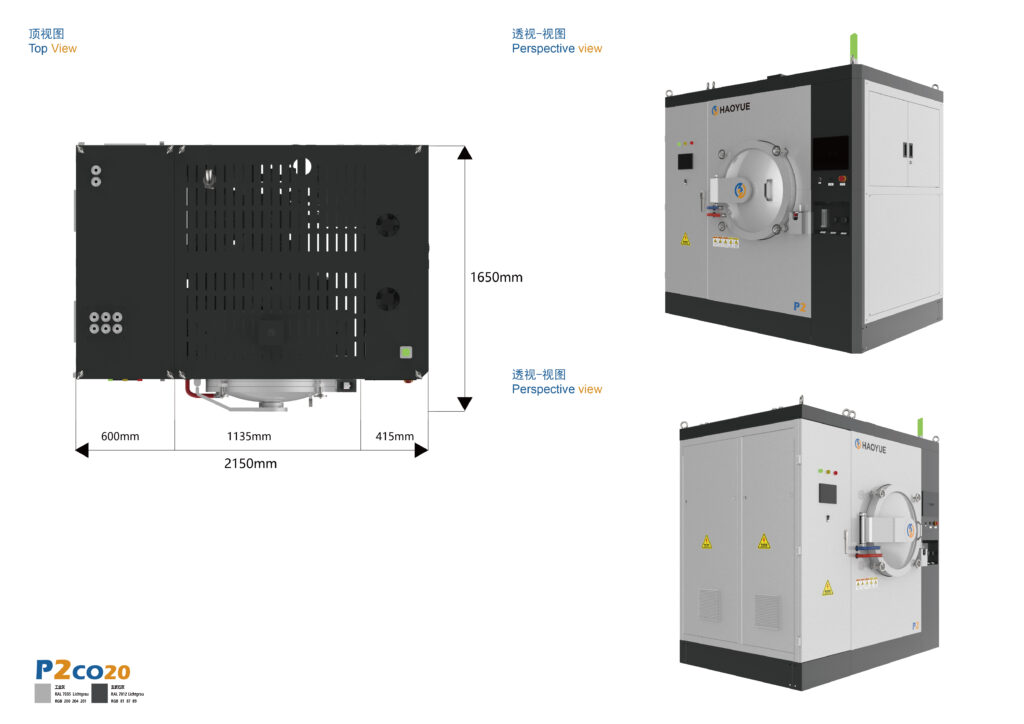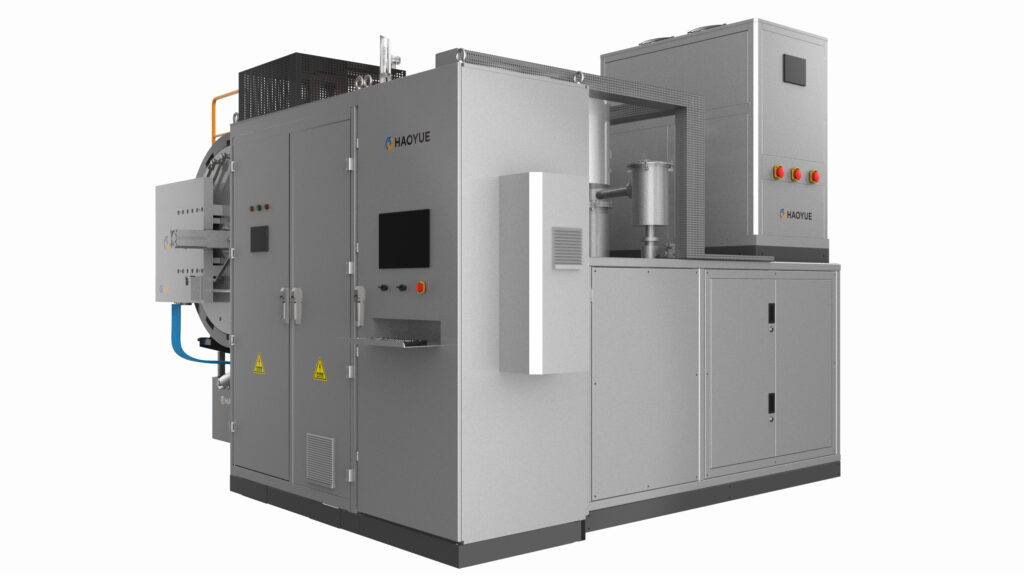






In modern industrial manufacturing, achieving superior material properties requires extreme precision, controlled atmospheres, and 先进热学 technologies. For engineers and procurement specialists, selecting the right 热处理 equipment is a critical decision. Partnering with an experienced, world-class 真空炉制造商 或者 真空烧结炉制造商 is the first step toward ensuring consistent metallurgical quality. When evaluating thermal systems, the fundamental debate of a 真空炉与气氛炉 often arises. While atmosphere furnaces introduce specific gases to protect parts, vacuum systems completely eliminate impurities, preventing oxidation and decarburization, which is essential for high-value engineering components.
Advanced Sintering Dynamics: Densifying Technical Ceramics and Hard Metals
Sintering is a crucial phase in producing high-performance ceramics and powder metallurgy parts. Processes like 碳化硅烧结, 氧化锆烧结工艺, , 和 氧化铝烧结工艺 demand ultra-high temperatures and precise atmosphere control to eliminate porosity. For instance, manufacturing wear-resistant components in a 硬质合金刀具烧结炉 relies heavily on a precise 真空烧结工艺 to achieve near-theoretical density. Similarly, medical-grade components processed in a 医用植入物烧结炉 must meet strict biocompatibility and structural integrity standards.
When choosing the optimal sintering technology, manufacturers must evaluate key processing methods:
- SPS 与热压法对比: Spark Plasma Sintering (SPS) utilizes pulsed direct current to achieve rapid densification at lower temperatures compared to conventional hot pressing. Consulting an experienced SPS炉制造商 或者 热压炉制造商 can help determine the best fit for your specific material throughput requirements.
- 热等静压烧结与真空烧结: While standard vacuum sintering is highly effective, Hot Isostatic Pressing (HIP) applies simultaneous high temperature and isostatic gas pressure to eliminate internal micro-voids. Working with an industry-leading HIP制造商 ensures your critical components achieve maximum fatigue resistance.
- Vacuum sintering vs pressure sintering: This comparison highlights the balance between cost and performance, where overpressure sintering is often utilized to suppress thermal decomposition of advanced nitride ceramics.
Refractory Metals and High-Temperature Configurations
Processing refractory metals like tungsten and molybdenum demands specialized thermal profiles. Achieving successful 碳化钨烧结 和 钼烧结 requires furnaces designed to withstand extreme thermal loads. When designing these systems, engineers must choose between a 石墨炉与钼炉. Graphite hot zones offer excellent thermal uniformity and cost-efficiency at extreme temperatures, whereas molybdenum hot zones are mandatory for cleanroom-compatible processes where carbon contamination must be entirely avoided.
For applications requiring reducing atmospheres to eliminate surface oxides, a specialized 真空氢气炉 is highly effective. In contrast, a 气体压力烧结炉 uses high-pressure inert gas to suppress material decomposition at elevated temperatures, proving indispensable for advanced silicon nitride ceramics.
Precision Joining and Surface Modification: Brazing and Heat Treatment
Beyond sintering, vacuum thermal systems are vital for joining and surface modification. The 真空钎焊工艺 offers clean, flux-free joints with exceptional strength, far surpassing the results of 真空钎焊与传统钎焊. Working with a dedicated 真空钎焊炉制造商 allows companies to design custom fixtures and hot zones that ensure uniform heat distribution across complex assemblies.
For structural metals, thermal processing determines final mechanical properties. A professional 真空热处理炉制造商 designs systems capable of executing precise thermal cycles, including:
- 这 真空退火工艺 to relieve internal stresses and improve ductility.
- 这 真空硬化工艺 to maximize wear resistance and tensile strength.
- Specialized 钛合金热处理 to prevent hydrogen embrittlement and maintain the high strength-to-weight ratio required in critical structural applications.
Industry-Specific Applications and Future Outlook
The selection of thermal processing equipment is highly dependent on the target industry vertical. In high-stakes sectors, the 航空航天真空炉 和 航空航天热处理炉 are subject to strict pyrometry standards (such as AMS2750) to guarantee the absolute safety of turbine blades and structural components. In the medical sector, a specialized 牙科植入体真空炉 ensures the sterile, defect-free production of titanium and zirconia prosthetics.
The rapidly expanding electronics and energy sectors also rely heavily on custom thermal solutions. A high-purity 半导体真空炉 is essential for wafer processing and thin-film deposition, while a high-throughput 电池材料烧结炉 is key to scaling up the production of advanced anode and cathode materials for next-generation energy storage. By aligning your material requirements with the correct furnace architecture, you ensure long-term operational efficiency, reduced scrap rates, and superior product performance.