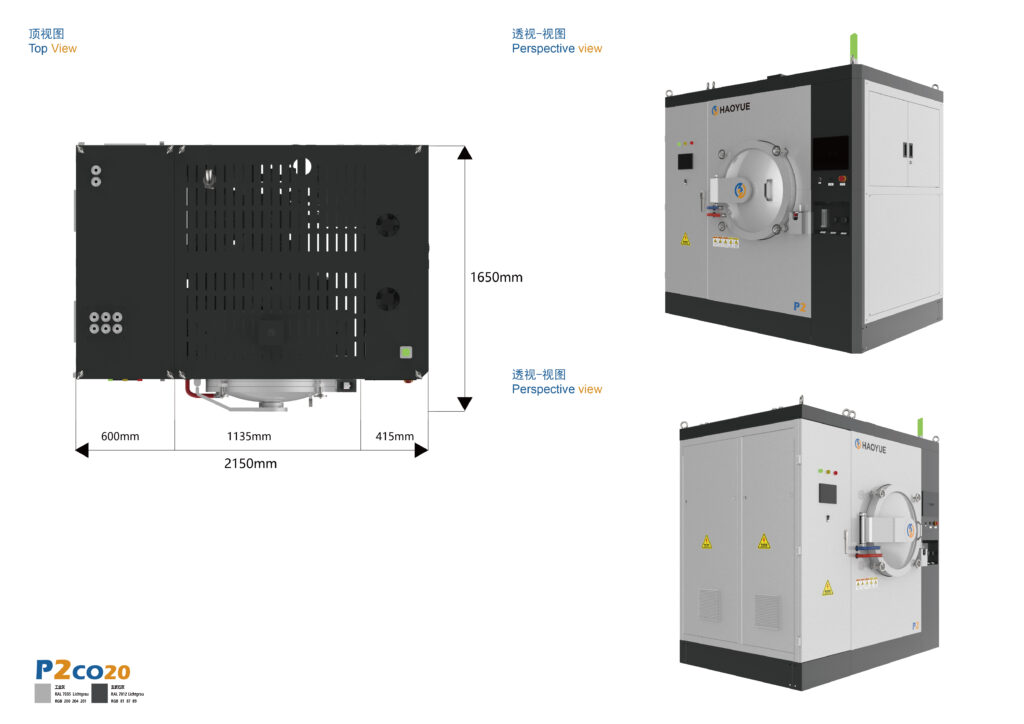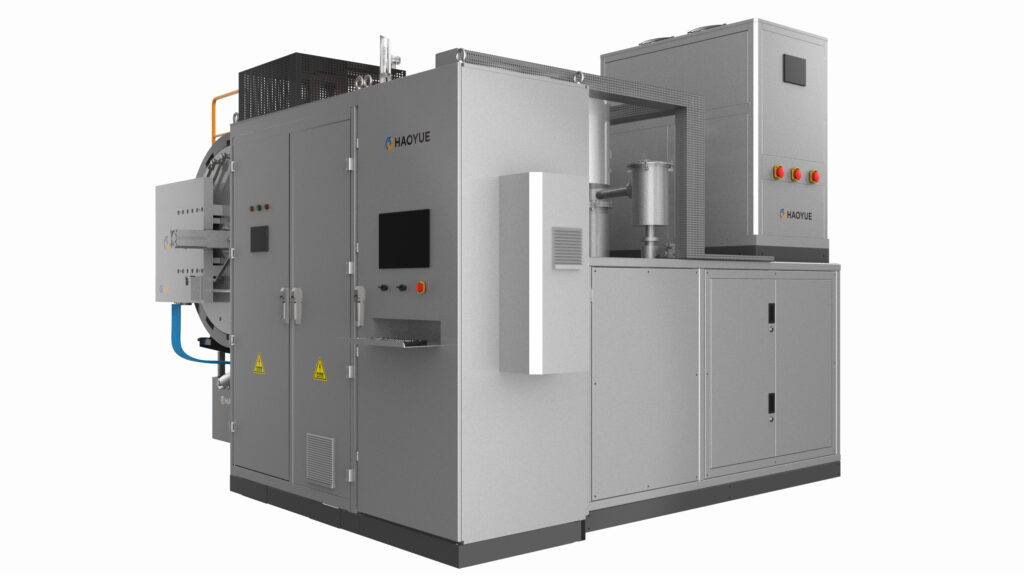






In high-performance industrial manufacturing, achieving precise material properties requires advanced 热处理 solutions. For engineers and procurement specialists, selecting the right equipment involves consulting an experienced vacuum furnace manufacturer to ensure optimal thermal cycle control. When evaluating the core thermodynamics of 热处理, the fundamental comparison of a vacuum furnace vs atmosphere furnace highlights the superior contamination control, temperature uniformity, and oxidation prevention offered by vacuum environments. By eliminating atmospheric gases, manufacturers can process sensitive alloys and advanced ceramics without risking degradation.
先进烧结工艺的力学原理
Sintering is a critical phase in powder metallurgy and technical ceramics production. Working with a dedicated vacuum sintering furnace manufacturer allows industries to customize thermal profiles for specific materials. For instance, the vacuum sintering process is widely utilized to achieve near-theoretical density in technical ceramics, such as in high-temperature silicon carbide sintering, the precise zirconia sintering process, and the high-purity alumina sintering process. For refractory metals and hard alloys, specialized configurations are required for tungsten carbide sintering and molybdenum sintering to prevent grain growth and preserve structural integrity.
When standard vacuum sintering is insufficient for extreme density requirements, engineers evaluate vacuum sintering vs pressure sintering. To achieve complete densification, a gas pressure sintering furnace can introduce controlled overpressure at peak temperatures. For even higher consolidation, comparing HIP vs vacuum sintering helps determine if a qualified HIP manufacturer is needed to provide Hot Isostatic Pressing, which uses high-pressure inert gas to eliminate internal micro-voids. Alternatively, for rapid consolidation of advanced materials, evaluating SPS vs hot pressing reveals that Spark Plasma Sintering offers significantly faster cycle times and lower sintering temperatures compared to traditional hot pressing. To implement these technologies, partnering with a specialized SPS furnace manufacturer or a hot pressing furnace manufacturer is essential.
精密连接和表面改性
Beyond sintering, thermal joining and surface modification are critical to structural components. Implementing a vacuum brazing process through an expert vacuum brazing furnace manufacturer ensures high-strength, flux-free joints that are highly resistant to corrosion and thermal fatigue. When examining vacuum brazing vs conventional brazing, the vacuum alternative eliminates the risk of entrapped flux residues and oxidation, producing clean, aesthetically perfect joints. For specialized reduction and cleaning processes, a vacuum hydrogen furnace is deployed to provide a highly reducing atmosphere that removes surface oxides from refractory metals.
To optimize mechanical properties, components must undergo precise post-processing. A certified vacuum heat treatment furnace manufacturer can supply systems optimized for the vacuum annealing process to relieve internal stresses, or the vacuum hardening process to drastically increase wear resistance. These thermal cycles are especially critical for titanium alloy heat treatment, where precise cooling rates prevent phase transformation issues and hydrogen embrittlement.
行业专用散热解决方案
Different sectors require tailored thermal processing equipment to meet strict regulatory and performance standards:
- 航天: Component integrity is paramount, relying on a high-specification aerospace vacuum furnace and an aerospace heat treatment furnace to process turbine blades and structural landing gear.
- 医疗和牙科: Biocompatible components are sintered using a medical implant sintering furnace, while dental restorations are fired in a specialized dental implant vacuum furnace to guarantee zero contamination.
- Electronics and Energy: Advanced energy storage materials are calcined in a high-throughput battery material sintering furnace, while ultra-pure wafer processing is executed utilizing a semiconductor vacuum furnace.
- 工具: High-performance cutting tools are consolidated in a heavy-duty carbide tool sintering furnace to ensure maximum hardness and toughness.
Selecting the Right Heating Chamber Configuration
A crucial step in equipment procurement is deciding between a graphite furnace vs molybdenum furnace. Graphite hot zones offer excellent thermal efficiency, cost-effectiveness, and durability at extreme temperatures, making them ideal for carbide sintering. However, for applications sensitive to carbon contamination, such as in semiconductor and medical industries, molybdenum hot zones are mandatory to maintain an ultra-clean, carbon-free vacuum environment. Consulting with a leading thermal processing partner ensures that your equipment configuration perfectly matches your material requirements and production goals.