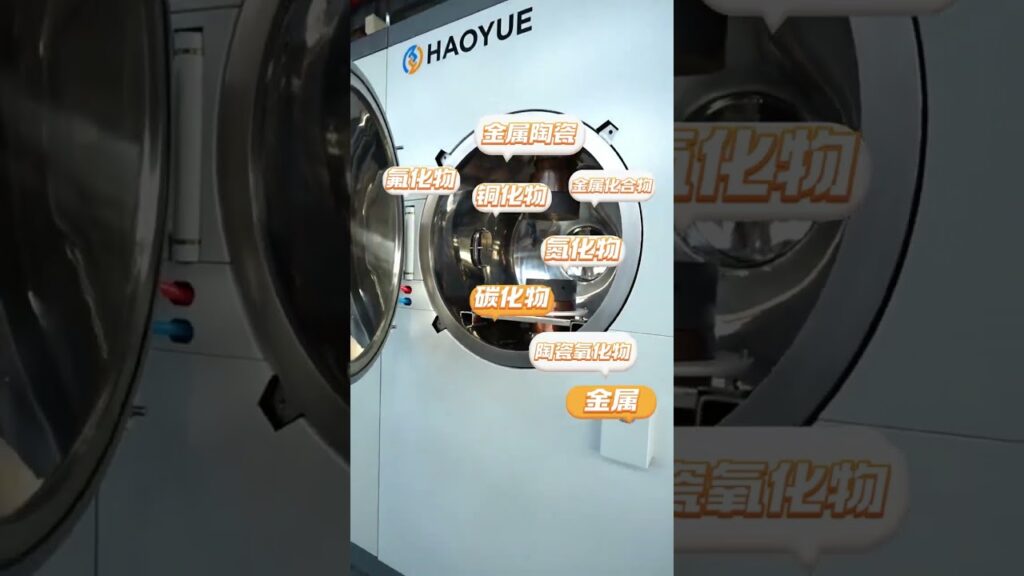




A vertical vacuum furnace is not a horizontal furnace with the door turned 90°. The charge enters from below or above, so the load becomes a column, the hearth support becomes a conduction path, and the seal moves into a different thermal and contamination environment. This 60-second explainer compares bottom-load and top-load machines — where the seal sits and where the debris falls, how chamber height sets the longest part you can process, and why vertical hot pressing keeps a tall billet straight.
Read the full comparison, the model table and the limitations in our vertical vacuum furnace guide.