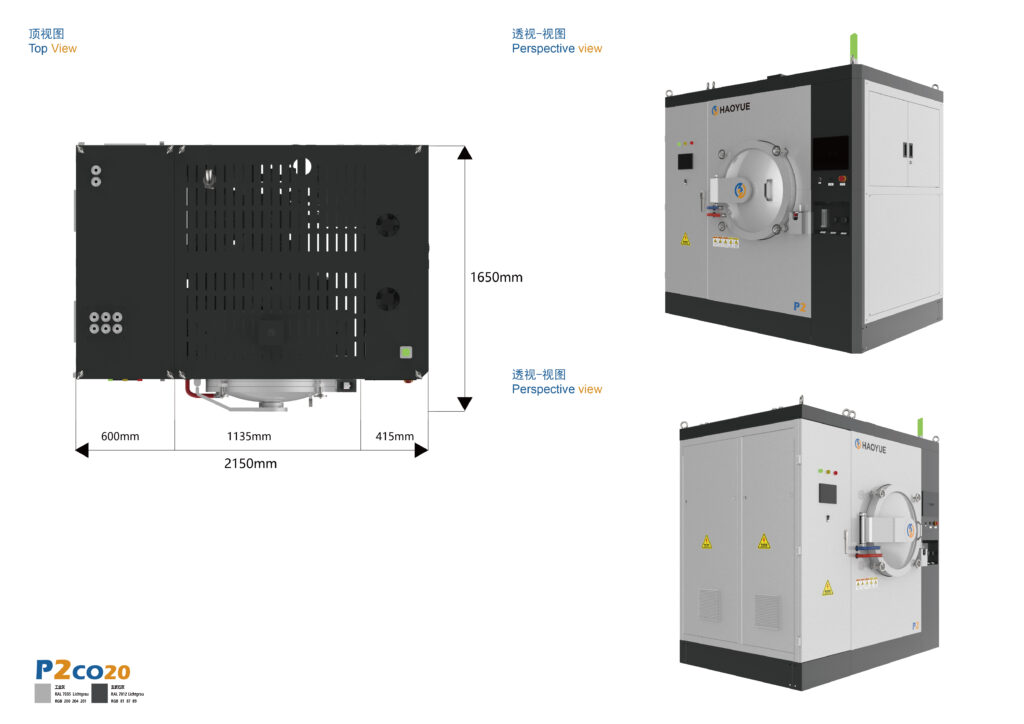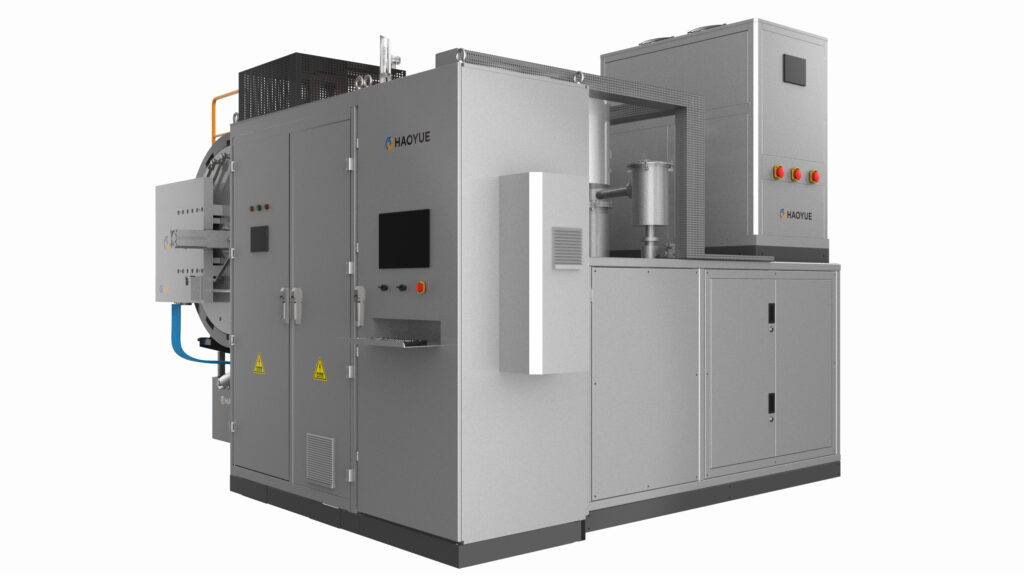






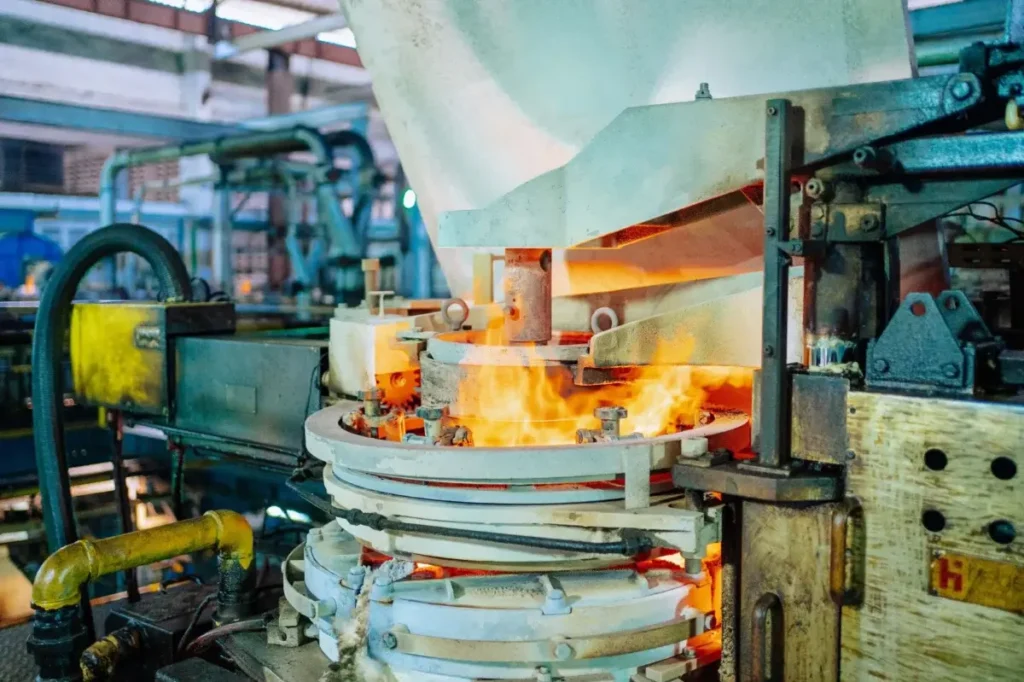
In the high-precision world of modern metallurgy and advanced ceramics, selecting the right thermal processing equipment is a critical decision for engineering teams. As a leading vacuum furnace manufacturer, we understand that achieving optimal material properties requires a deep understanding of thermal dynamics. Advancements in the vacuum sintering process have revolutionized how high-performance components are fabricated. Whether you are looking to partner with an established vacuum sintering furnace manufacturer or a specialized vacuum heat treatment furnace manufacturer, the goal remains the same: achieving flawless microstructural integrity, minimal distortion, and superior mechanical performance across diverse material grades.
Different materials demand highly customized thermal profiles. For instance, structural ceramics require precise atmospheres; silicon carbide sintering often demands ultra-high temperatures, while the zirconia sintering process and alumina sintering process require precise oxygen partial pressure controls to avoid discoloration and phase destabilization. In powder metallurgy, achieving high density during tungsten carbide sintering and molybdenum sintering is crucial for wear resistance. Utilizing a specialized carbide tool sintering furnace or a gas pressure sintering furnace ensures that these refractory materials reach near-theoretical density without grain overgrowth, preventing premature tool failure in demanding machining applications.
Beyond sintering, specialized joining and surface modification processes are vital. Working with a dedicated vacuum brazing furnace manufacturer allows industries to implement a precise vacuum brazing process, which eliminates flux contamination and ensures clean, high-strength joints. For stress-relieving and hardening, executing a controlled vacuum annealing process or a rapid-quench vacuum hardening process is essential to prevent oxidation. In specialized environments, a vacuum hydrogen furnace is employed to reduce oxides and facilitate clean sintering of active metals, ensuring pure, bright finishes on critical components.
The demands of high-tech industries have driven the specialization of thermal hardware. In aerospace, where component failure is not an option, utilizing an aerospace vacuum furnace or a dedicated aerospace heat treatment furnace is mandatory for executing precise titanium alloy heat treatment protocols. In the medical sector, a specialized medical implant sintering furnace ensures biocompatibility, while a compact dental implant vacuum furnace provides the extreme cleanliness required for dental prosthetics. Furthermore, the rapid growth of clean energy and electronics has heightened the demand for a precise semiconductor vacuum furnace and a high-throughput battery material sintering furnace to process advanced anodes and cathodes under strict atmospheric purity.
When selecting equipment, engineers must weigh several critical technological comparisons. A key debate in rapid consolidation is SPS vs hot pressing, where Spark Plasma Sintering offers faster cycle times compared to traditional hot pressing, leading buyers to consult either an SPS furnace manufacturer or a hot pressing furnace manufacturer. For extreme densification, comparing HIP vs vacuum sintering reveals that Hot Isostatic Pressing eliminates residual porosity more effectively than vacuum sintering alone, prompting collaborations with a specialized HIP manufacturer. Additionally, understanding vacuum sintering vs pressure sintering is vital for selecting the right overpressure parameters. When designing a facility, comparing a vacuum furnace vs atmosphere furnace helps determine if complete vacuum isolation is required over gas shielding, while choosing between a graphite furnace vs molybdenum furnace depends on the maximum operating temperature and carbon contamination sensitivity. Finally, evaluating vacuum brazing vs conventional brazing highlights the superior joint strength and aesthetic quality achieved in high-vacuum environments.
Ultimately, choosing the right thermal processing partner involves aligning your specific material requirements with the precise capabilities of modern furnace technology. From aerospace-grade titanium processing to high-volume semiconductor manufacturing, investing in the correct furnace design ensures long-term operational efficiency, unmatched product quality, and a distinct competitive advantage in the global industrial market.