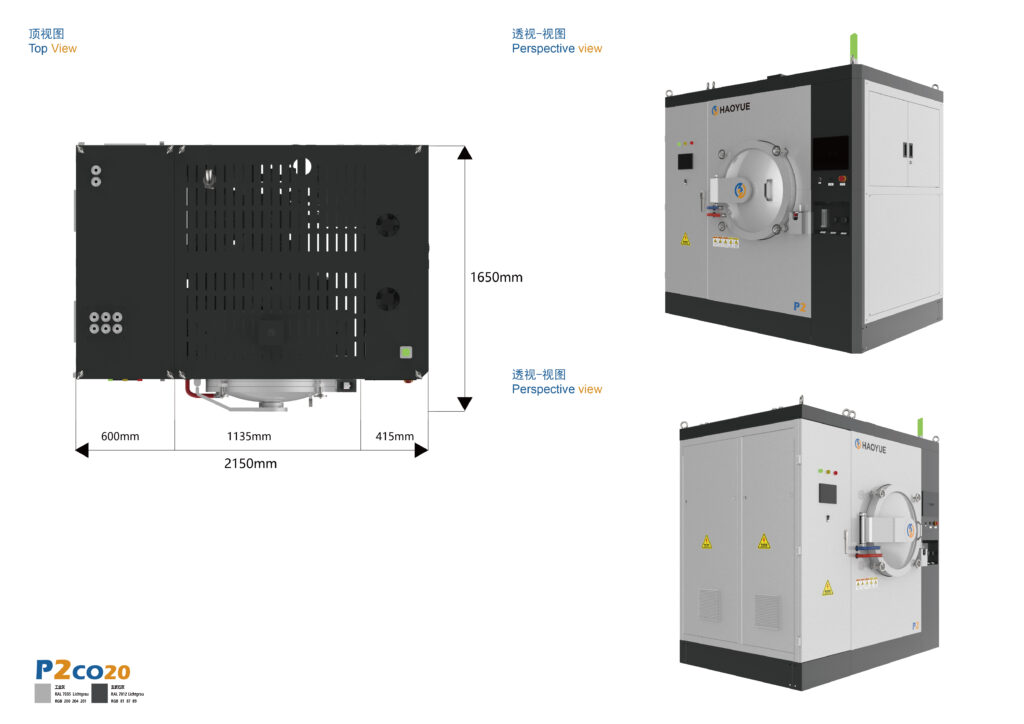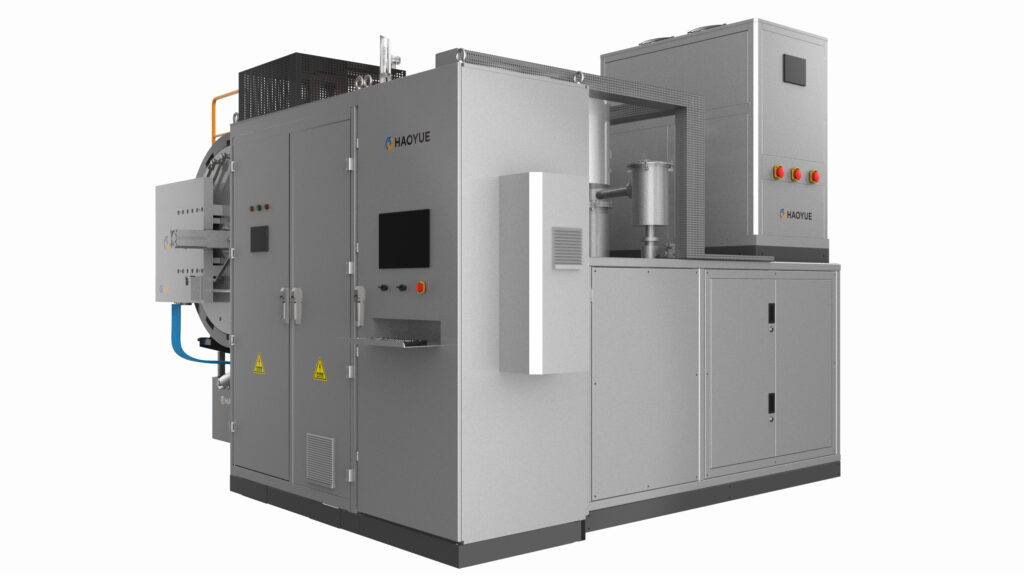






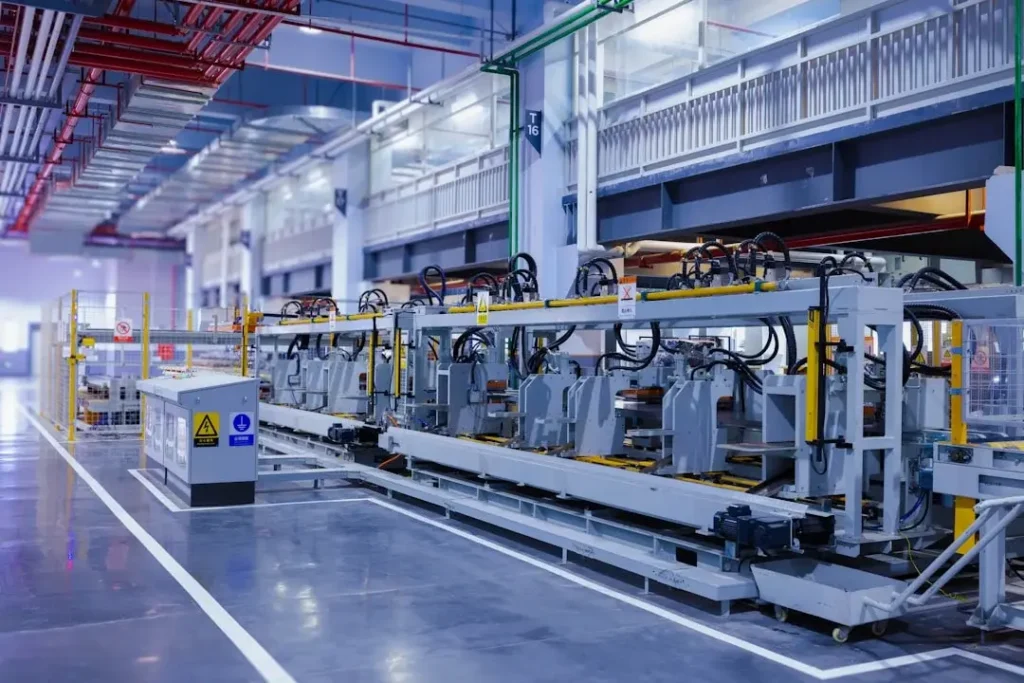
In modern industrial manufacturing, achieving superior material properties requires precise control over thermal environments. Advanced metallurgy, technical ceramics, and semiconductor manufacturing rely heavily on specialized thermal processing systems. For engineers and procurement specialists, partnering with an experienced vacuum sintering furnace manufacturer or a versatile vacuum furnace manufacturer is the first step toward securing high-yield, repeatable production outcomes. By deploying advanced thermal systems, industries can achieve exceptional material density, mechanical strength, and structural integrity across a diverse spectrum of applications.
Advanced Sintering Technologies and Material Optimization
Sintering is a critical phase in consolidating powder compacts into dense, high-performance components. The vacuum sintering process eliminates atmospheric contaminants, preventing oxidation and promoting uniform grain growth. This is particularly vital for technical ceramics and advanced composites. For instance, achieving high density in silicon carbide sintering requires extremely high temperatures and precise vacuum control. Similarly, medical and dental sectors rely on perfecting the zirconia sintering process and the alumina sintering process to produce biocompatible, wear-resistant prosthetics.
When evaluating sintering equipment, engineers often compare different consolidation methods. A common technical debate centers on SPS vs hot pressing. Spark Plasma Sintering (SPS) utilizes pulsed direct current to generate internal heating, allowing for rapid densification at lower temperatures. Consulting a specialized SPS furnace manufacturer can help determine if this technology is suitable for your materials, whereas a hot pressing furnace manufacturer offers systems that apply simultaneous uniaxial pressure and heat, which is ideal for large, simple geometries.
Refractory Metals and High-Pressure Consolidation
Refractory metals and hard metals present unique thermal processing challenges. For example, tungsten carbide sintering and high-temperature molybdenum sintering require robust thermal zones capable of operating under extreme conditions without degrading. To achieve near-theoretical density in these challenging materials, engineers often evaluate HIP vs vacuum sintering. Hot Isostatic Pressing (HIP), offered by a certified HIP manufacturer, utilizes high-pressure inert gas to eliminate internal porosity, whereas a standard gas pressure sintering furnace combines vacuum heating with overpressure gas to suppress thermal decomposition during the cycle. Understanding the nuances of vacuum sintering vs pressure sintering is essential for selecting the correct equipment configuration for high-stress industrial applications.
Precision Heat Treatment and Brazing Technologies
Beyond sintering, thermal modification of metal alloys requires highly specialized heat treatment systems. Partnering with an industry-leading vacuum heat treatment furnace manufacturer ensures access to systems designed for precise thermal cycles. These systems execute the vacuum annealing process to relieve internal stresses and improve ductility, as well as the vacuum hardening process to maximize wear resistance. These processes are highly critical when executing titanium alloy heat treatment, where any atmospheric contamination can lead to embrittlement.
For joining components, working with a dedicated vacuum brazing furnace manufacturer allows companies to master the vacuum brazing process. When comparing vacuum brazing vs conventional brazing, vacuum environments eliminate the need for corrosive fluxes, resulting in exceptionally clean, high-strength joints that are free of voids. Furthermore, when determining overall facility layout, engineers must analyze the benefits of a vacuum furnace vs atmosphere furnace. While atmosphere furnaces are suitable for basic protective environments, vacuum systems offer unparalleled purity. For specialized reduction and decarburization processes, incorporating a specialized vacuum hydrogen furnace provides the ultimate control over chemical reactions at elevated temperatures.
Material-Specific Furnace Configurations
The choice of heating elements and insulation materials significantly impacts operational costs and process compatibility. Deciding between a graphite furnace vs molybdenum furnace depends largely on the sensitivity of the process materials. Graphite hot zones are cost-effective and highly durable at extreme temperatures but can cause carbon contamination in certain alloys. Molybdenum hot zones, on the other hand, provide an ultra-clean environment suitable for medical, aerospace, and high-purity alloy processing.
Industry-Specific Thermal Solutions
Thermal processing systems must be tailored to meet the strict quality standards of their respective industries:
- Aerospace: Components must meet rigorous quality standards, requiring an ultra-reliable aerospace vacuum furnace and a certified aerospace heat treatment furnace to guarantee structural integrity.
- Medical & Dental: Biocompatible devices require high-purity processing, often achieved using a medical implant sintering furnace or a compact dental implant vacuum furnace.
- Semiconductors: High-purity electronic materials are synthesized utilizing a high-purity semiconductor vacuum furnace to prevent any trace contamination.
- Energy Storage: Advanced battery chemistries are synthesized and processed utilizing a high-efficiency battery material sintering furnace.
- Tooling & Machining: High-wear cutting tools are consolidated and hardened by operating a robust carbide tool sintering furnace.
By aligning your material requirements with the appropriate thermal technology, your facility can optimize energy efficiency, reduce cycle times, and achieve superior product quality.