





For procurement engineers tasked with acquiring critical manufacturing equipment, the selection of a furnace for processing advanced materials like titanium alloys is a decision of paramount importance. The unique properties of titanium, including its exceptional strength-to-weight ratio, corrosion resistance, and biocompatibility, make it indispensable across industries from aerospace and defense to medical and automotive. However, unlocking these optimal material properties hinges entirely on precise and controlled titanium alloy heat treatment. This comprehensive guide aims to illuminate the critical features and considerations necessary for selecting the ideal furnace, ensuring your investment yields superior material performance and operational efficiency.
Understanding Titanium Alloys and Their Processing Challenges
Titanium alloys are celebrated for their remarkable characteristics, but these very attributes also present significant challenges during processing. Their high reactivity with atmospheric gases, particularly oxygen and nitrogen, at elevated temperatures necessitates an inert or vacuum environment to prevent contamination, which can embrittle the material and degrade its mechanical properties. Furthermore, the precise control of heating and cooling rates is crucial to achieve the desired microstructure, influencing hardness, ductility, and fatigue resistance.
Common heat treatment processes for titanium alloys include annealing, which relieves internal stresses and enhances ductility; solution treatment, followed by aging, to precipitate strengthening phases; and stress relieving. Each process demands specific temperature profiles, holding times, and cooling rates. Any deviation can lead to undesirable microstructures, reduced performance, or even scrap. Therefore, the furnace chosen must offer unparalleled control and consistency, making the selection of a reputable vacuum furnace manufacturer or industrial vacuum furnace supplier a strategic imperative.
Critical Furnace Features for Optimal Titanium Alloy Heat Treatment
When evaluating furnaces for titanium alloy processing, several key features stand out as non-negotiable for achieving the desired material properties and ensuring process reliability.
Unrivaled Temperature Uniformity
Temperature uniformity within the hot zone is arguably the most critical factor for consistent titanium alloy heat treatment. Inconsistent temperatures can lead to localized overheating or underheating, resulting in varying grain structures, non-uniform precipitation, and ultimately, inconsistent mechanical properties across a single component or batch. A high-quality furnace should guarantee temperature deviations of no more than ±3°C to ±5°C, even at peak operating temperatures. This is typically achieved through:
- Advanced Heating Elements: Molybdenum, graphite, or tungsten elements designed for even heat distribution.
- Multi-Zone Control: Independent control of different heating zones within the chamber to compensate for heat losses and load variations.
- Robust Insulation: Multi-layer metallic or graphite felt insulation to minimize heat loss and maintain a stable thermal environment.
- Strategic Placement of Thermocouples: Ensuring accurate temperature monitoring at multiple points within the hot zone.
Superior Vacuum Capabilities
As mentioned, titanium’s reactivity with oxygen and nitrogen at high temperatures necessitates a high vacuum environment. A furnace designed for titanium alloy heat treatment must be capable of achieving and maintaining deep vacuum levels, typically in the range of 10-4 to 10-6 Torr. Key aspects to consider include:
- Pumping System Design: A combination of roughing pumps (e.g., rotary vane, screw) and high-vacuum pumps (e.g., diffusion, turbomolecular, cryogenic) to rapidly evacuate the chamber and maintain ultimate vacuum.
- Leak Rate: A low leak rate is indicative of a well-sealed chamber, minimizing the ingress of atmospheric contaminants.
- Vacuum Gauging: Accurate and reliable vacuum gauges (e.g., Pirani, cold cathode) to monitor vacuum levels throughout the cycle.
- Contamination Control: Features like an all-metal hot zone and careful selection of materials to prevent outgassing and contamination.
Efficient Rapid Cooling Systems
Many titanium alloy heat treatment processes, particularly solution treatment and aging, require precise control over cooling rates to achieve the desired microstructure and mechanical properties. Rapid cooling prevents undesirable phase transformations and preserves the supersaturated solid solution. Modern vacuum furnaces employ high-pressure gas quenching systems, typically using inert gases like argon or nitrogen, to achieve cooling rates comparable to oil quenching. Considerations include:
- Gas Quenching Pressure: Capabilities ranging from 2 bar to 10 bar or higher, with higher pressures facilitating faster cooling.
- Gas Flow Design: Optimized gas nozzles and baffles for uniform gas flow around the workpiece, ensuring even cooling.
- Heat Exchanger Efficiency: High-capacity heat exchangers to rapidly remove heat from the quenching gas.
- Turbine or Blower Power: Powerful internal blowers or external turbines to circulate the quenching gas effectively.
Advanced Control Systems and Automation
The complexity of titanium alloy heat treatment demands sophisticated control systems. Modern furnaces feature PLC-based (Programmable Logic Controller) or PC-based control systems that offer:
- Recipe Management: Storage and recall of multiple heat treatment recipes, ensuring repeatability.
- Real-time Monitoring: Continuous display of temperature, vacuum level, gas pressure, and cycle status.
- Data Logging and Analysis: Comprehensive recording of process parameters for quality control, traceability, and optimization.
- Alarm Systems: Alerts for deviations from set parameters, ensuring process safety and integrity.
- Remote Access and Diagnostics: For enhanced operational flexibility and troubleshooting.
Material Compatibility and Construction
The materials used in the furnace’s hot zone and chamber construction are critical for preventing contamination and ensuring longevity. For titanium, all contact surfaces should be made of materials that do not react with or contaminate titanium at high temperatures. Graphite or molybdenum hot zones are common, chosen for their high temperature capabilities and low reactivity. The chamber itself should be constructed from high-grade stainless steel, designed for deep vacuum and thermal cycling stability.
Beyond the Standard: Specialized Furnaces for Titanium
While general vacuum heat treatment furnaces are essential, specific titanium alloy applications might call for specialized equipment. For instance, processes involving the joining of titanium components often leverage a vacuum brazing furnace manufacturer‘s expertise, providing the controlled atmosphere necessary for strong, clean joints. Similarly, for applications requiring very high density or the healing of internal defects in complex titanium parts, a hot isostatic press manufacturer can offer solutions for post-treatment densification. Other specialized processes might involve a SPS furnace manufacturer for spark plasma sintering or a hot pressing furnace manufacturer for compaction under heat and pressure, further extending the capabilities for advanced titanium material processing.
Partnering with a Reputable Furnace Manufacturer
The choice of a furnace manufacturer is as crucial as the furnace’s specifications. A seasoned vacuum heat treatment furnace manufacturer or industrial vacuum furnace supplier with a proven track record in titanium processing brings invaluable experience. Look for partners who offer:
- Extensive Experience: Specific expertise in designing and manufacturing furnaces for titanium alloys.
- Customization Capabilities: The ability to tailor furnace dimensions, heating elements, cooling systems, and control logic to your specific process requirements.
- After-Sales Support: Comprehensive installation, training, maintenance, and readily available spare parts to minimize downtime.
- Technical Consultation: Expertise to help optimize your titanium alloy heat treatment processes.
- Quality Certifications: Adherence to international quality and safety standards.
HAOYUE Furnace Technical Parameters for Titanium Alloy Heat Treatment
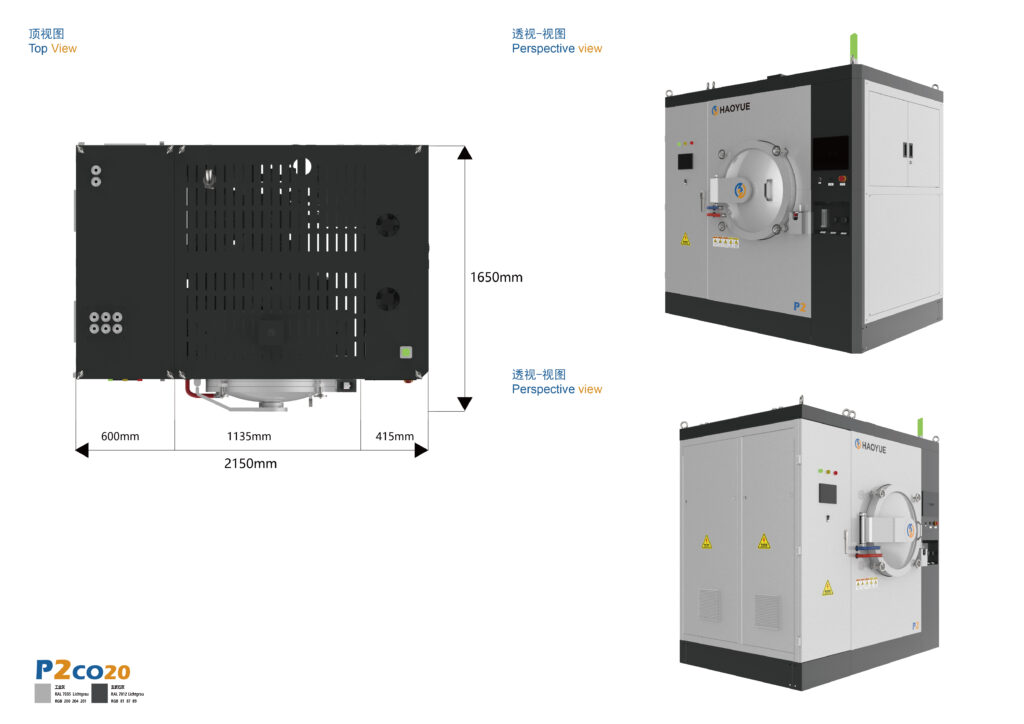
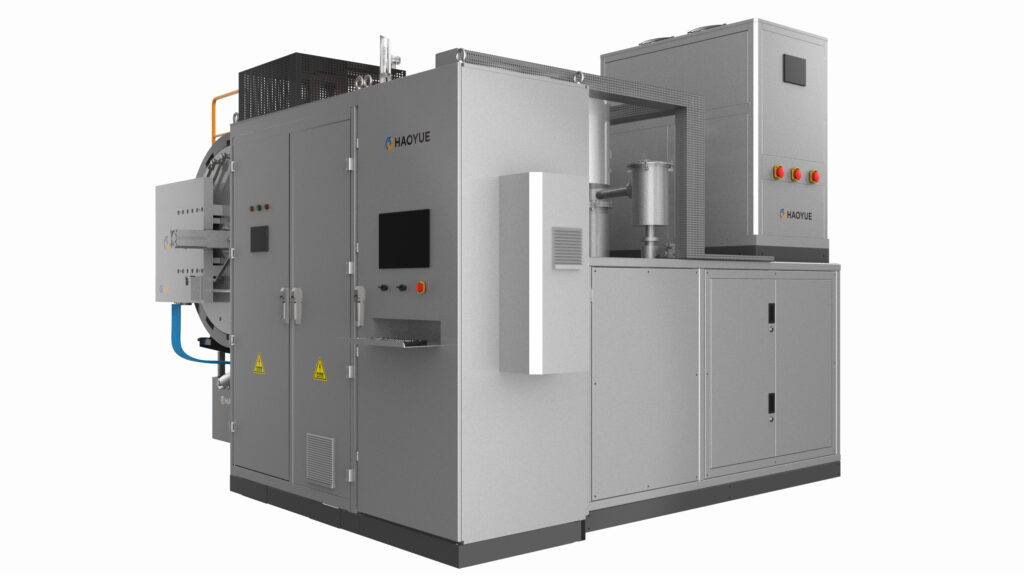
HAOYUE, a leading vacuum furnace manufacturer, offers a range of furnaces ideally suited for demanding titanium alloy heat treatment applications. Our systems are engineered to meet the stringent requirements of aerospace, medical, and other high-tech industries. Key technical parameters include:
- Maximum Temperature: Up to 1600°C (or higher with specific configurations), ensuring suitability for various titanium alloy grades.
- Vacuum Level: Achievable ultimate vacuum of 5 x 10⁻⁵ Pa (3.75 x 10⁻⁷ Torr) or better, crucial for preventing titanium contamination.
- Temperature Uniformity: Excellent uniformity within ±3°C across the working zone at peak temperatures, verified by rigorous testing.
- Rapid Cooling: High-pressure gas quenching systems (up to 10 bar) with optimized gas flow for cooling rates customizable to specific alloy needs.
- Hot Zone Materials: Standard options include all-graphite or all-molybdenum hot zones, selected based on process purity and temperature requirements.
- Chamber Size: Customizable working dimensions to accommodate a wide range of part sizes and batch volumes.
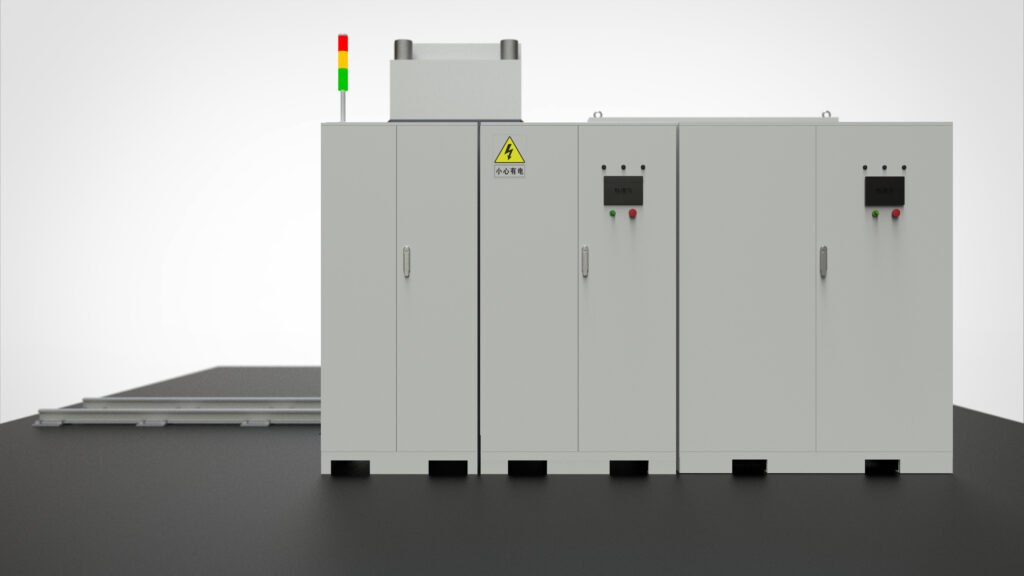
- Control System: Siemens PLC with HMI interface, offering intuitive recipe management, real-time monitoring, data logging, and remote diagnostic capabilities.
Real Overseas Project Cases
HAOYUE has successfully deployed advanced vacuum furnaces for titanium alloy heat treatment in diverse global markets. For instance, a major aerospace component manufacturer in Europe utilizes our high-vacuum, high-pressure quench furnaces for solution treating and aging critical titanium landing gear components, achieving superior fatigue life and strength. In Asia, a leading medical device producer relies on our precision vacuum furnaces for the annealing and stress relieving of titanium implants, ensuring biocompatibility and mechanical integrity. Furthermore, a specialized automotive supplier in North America employs HAOYUE systems for the heat treatment of lightweight titanium exhaust components, demonstrating the versatility and reliability of our equipment across various demanding applications requiring precise titanium alloy heat treatment.
Frequently Asked Questions (FAQ)
Q1: What is the ideal vacuum level for titanium alloy heat treatment?
A1: For most titanium alloy heat treatment processes, an ultimate vacuum level of 10-4 to 10-6 Torr (or 10-2 to 10-4 Pa) is considered ideal. This minimizes the presence of oxygen and nitrogen, preventing surface contamination and ensuring the desired material properties.
Q2: How important is temperature uniformity in a titanium heat treatment furnace?
A2: Temperature uniformity is extremely critical. Deviations of even a few degrees can lead to inconsistent microstructures, localized stresses, and non-uniform mechanical properties across the workpiece, potentially compromising part performance and reliability.
Q3: Can different titanium alloys be treated in the same vacuum furnace?
A3: Yes, a versatile vacuum furnace can treat different titanium alloys, provided its temperature range, vacuum capabilities, and cooling systems meet the specific requirements of each alloy. It’s essential to program distinct recipes for each alloy to ensure optimal results.
Q4: What maintenance is typically required for a vacuum furnace used for titanium?
A4: Regular maintenance includes checking and replacing vacuum pump oil, inspecting heating elements and insulation for wear, cleaning the chamber, verifying thermocouple calibration, and ensuring the integrity of vacuum seals. Adhering to the manufacturer’s recommended maintenance schedule is crucial.
Q5: What are the benefits of rapid cooling in titanium alloy heat treatment?
A5: Rapid cooling, or quenching, is vital for
Related Products & Services
- SPS Spark Plasma Sintering System – High-performance SPS solutions from HaoYue Group.
- SPS Spark Plasma Sintering System
- Vacuum Hot Press Furnace
Looking for high-quality vacuum furnace solutions? Contact HaoYue Group today.
Related Products & Services
- SPS Spark Plasma Sintering System – High-performance SPS solutions from HaoYue Group.
- SPS Spark Plasma Sintering System
- Vacuum Hot Press Furnace
Looking for high-quality vacuum furnace solutions? Contact HaoYue Group for more information.
Related Products & Services
Looking for high-quality vacuum furnace solutions? Contact HaoYue Group for more information.
Frequently Asked Questions
Why is a vacuum environment crucial for titanium alloy heat treatment?
Titanium's high reactivity with oxygen and nitrogen at elevated temperatures can lead to contamination, embrittling the material and degrading its mechanical properties. A vacuum environment prevents this by removing atmospheric gases, ensuring the alloy retains its optimal characteristics during processing.
What are the consequences of inconsistent temperature within the furnace during titanium alloy processing?
Inconsistent temperature can result in localized overheating or underheating, leading to uneven grain structures and non-uniform precipitation. This inconsistency affects the mechanical properties of the alloy, potentially causing reduced performance and even rendering components unusable.
How do advanced heating elements contribute to temperature uniformity in furnaces?
Advanced heating elements, such as molybdenum, graphite, or tungsten, are designed to distribute heat evenly throughout the furnace. This uniform distribution is critical to maintaining consistent temperatures, which is essential for achieving the desired microstructure in titanium alloys.
What role does multi-zone control play in titanium alloy heat treatment?
Multi-zone control allows for independent regulation of different heating zones within the furnace chamber. This flexibility helps compensate for heat losses and variations in the load, ensuring consistent temperature uniformity essential for optimal titanium alloy processing.
Why is the choice of vacuum pump important for titanium alloy furnaces?
The vacuum pump system's design and efficiency are crucial for achieving the deep vacuum levels required for titanium processing. A combination of roughing and high-vacuum pumps is necessary to rapidly evacuate the chamber and maintain the ultimate vacuum, preventing contamination.
What are the key indicators of a well-sealed furnace chamber for titanium alloy processing?
A low leak rate is a key indicator of a well-sealed furnace chamber. This minimizes the ingress of atmospheric gases, maintaining the required vacuum levels essential for preventing contamination and ensuring the integrity of titanium alloys during heat treatment.