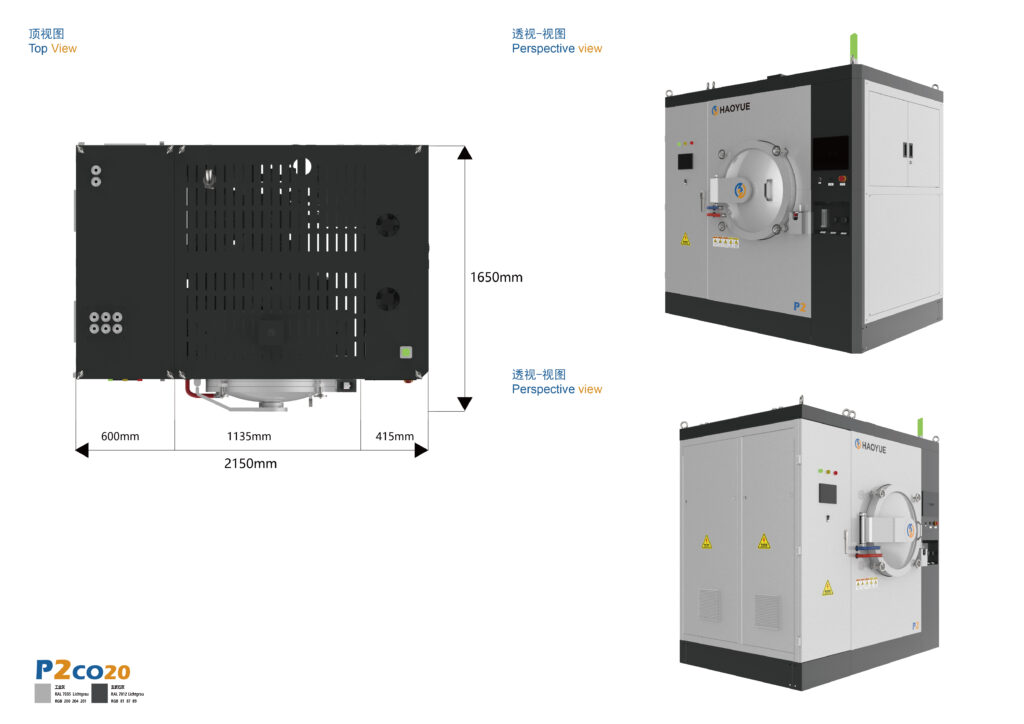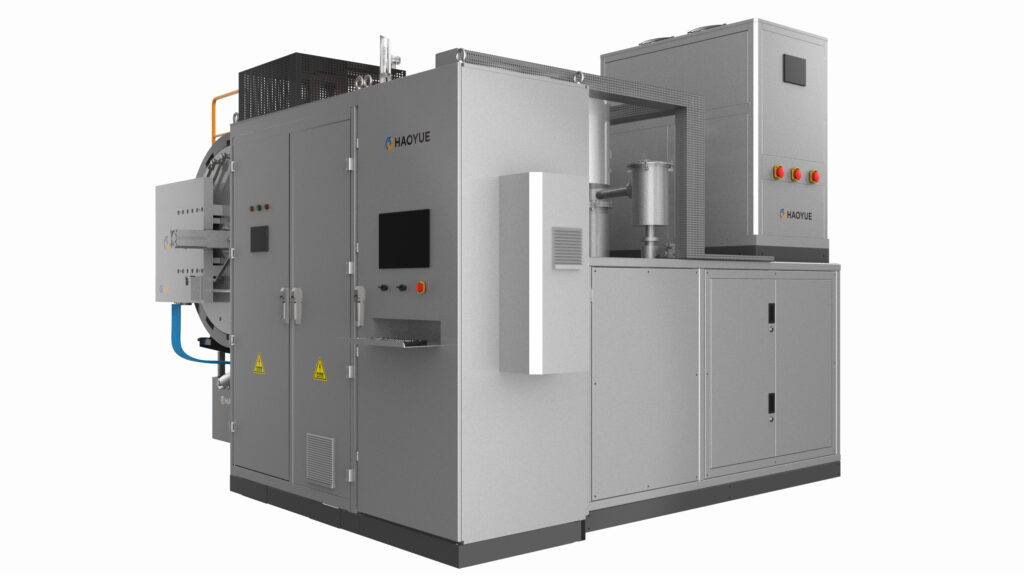





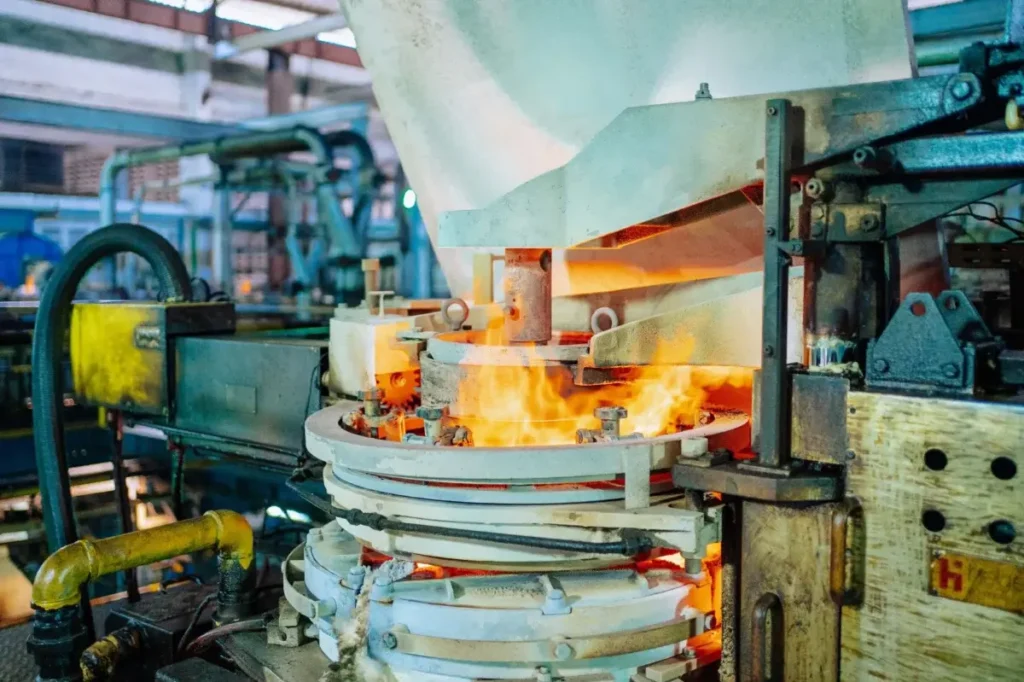
Dans la fabrication industrielle moderne, l'obtention de propriétés de matériaux précises nécessite des procédés avancés. traitement thermique technologies. For metallurgical engineers and procurement specialists, selecting the right traitement thermique system is a critical decision that directly impacts product quality and operational efficiency. When evaluating thermal options, understanding the fundamental differences between a four sous vide vs four à atmosphère contrôlée is the first step. While atmosphere furnaces introduce specific gases to protect parts, a vacuum environment eliminates residual gases entirely, preventing oxidation, decarburization, and contamination. Partnering with a premier fabricant de fours sous vide ensures that your facility obtains the exact thermal profile and vacuum levels required for high-performance materials.
Advanced Sintering Technologies: Selecting the Right Method
Sintering is vital for consolidating powder compacts into dense, high-strength components. Choosing the optimal method requires a deep understanding of advanced thermodynamics. For instance, when evaluating spark plasma sintering versus uniaxial hot pressing, engineers often compare SPS vs pressage à chaud to determine the fastest consolidation pathway with minimal grain growth. Consulting an experienced Fabricant de fours SPS can reveal how pulsed direct current accelerates densification, whereas working with a specialized fabricant de fours de pressage à chaud can provide systems designed for continuous pressure and temperature application over longer cycles.
For critical components requiring near-theoretical density, comparing frittage HIP vs frittage sous vide is essential. Hot Isostatic Pressing (HIP) utilizes simultaneous high temperature and isostatic gas pressure to eliminate internal voids, whereas the standard procédé de frittage sous vide relies on thermal energy alone. A reputable Fabricant de hanches can design systems that post-treat sintered parts to achieve 100% density. Alternatively, for applications where mechanical pressure must be applied during thermal cycles, a four de frittage sous pression de gaz offers an intermediate solution, bridging the gap in the Frittage sous vide versus frittage sous pression debate by combining vacuum heating with overpressure gas stages to prevent thermal decomposition.
Procédés de frittage spécifiques aux matériaux
Different advanced materials demand highly customized thermal profiles. For ultra-high-temperature ceramics, successful frittage du carbure de silicium requires precise atmosphere control and temperatures exceeding 2000°C. In contrast, the medical and dental fields rely on the procédé de frittage de la zircone et le procédé de frittage de l'alumine to produce bio-inert, highly translucent, and mechanically robust prosthetics. Achieving these properties requires a reliable fabricant de fours de frittage sous vide capable of delivering precise temperature uniformity.
Pour l'outillage industriel lourd, frittage du carbure de tungstène et de haute pureté frittage du molybdène require robust chamber designs. When selecting equipment for these refractory metals, engineers must evaluate a four à graphite contre four à molybdène. Graphite hot zones offer cost-effective, high-temperature capabilities but may introduce carbon contamination, whereas molybdenum hot zones provide an ultra-clean environment essential for sensitive alloy processing.
Solutions de traitement thermique et de brasage de précision
Beyond sintering, vacuum thermal processing is crucial for joining and surface modification. The industrial advantages of brasage sous vide versus brasage conventionnel are clear: vacuum brazing eliminates the need for corrosive fluxes, resulting in clean, high-strength joints free of oxidation. Working with a specialist fabricant de fours de brasage sous vide allows companies to optimize the procédé de brasage sous vide for complex assemblies, such as heat exchangers and electronic packages.
For structural modifications, executing a precise procédé de recuit sous vide relieves internal stresses in cold-worked metals, while a controlled procédé de durcissement sous vide dramatically increases wear resistance without surface scaling. These processes are particularly vital for reactive metals, where traitement thermique de l'alliage de titane must be performed in high-vacuum conditions to prevent hydrogen embrittlement. For processes requiring active reducing atmospheres, a specialized four à hydrogène sous vide is utilized to clean oxides and heat treat sensitive alloys under dry hydrogen gas. Partnering with an established fabricant de fours de traitement thermique sous vide ensures compliance with strict aerospace and medical standards.
Industry-Specific Applications and Equipment Matching
Thermal processing requirements vary greatly across high-tech sectors. In the aerospace sector, safety-critical components must be processed in a certified four sous vide aérospatial ou un dédié four de traitement thermique aérospatial that complies with AMS2750 standards. In the biomedical sector, maintaining ultra-clean environments is paramount; thus, manufacturers utilize a cleanroom-compatible four de frittage pour implants médicaux ou un compact four sous vide pour implants dentaires to ensure the bio-compatibility of titanium and zirconia prosthetics.
The rapidly expanding energy and electronics sectors also rely heavily on specialized vacuum systems. A high-throughput four de frittage de matériaux de batterie is essential for synthesizing advanced anode and cathode powders, while a high-purity four sous vide pour semi-conducteurs is critical for wafer processing, crystal growth, and thin-film deposition. Finally, the cutting tool industry relies on a heavy-duty four de frittage d'outils en carbure to produce wear-resistant drilling and milling inserts. By matching your specific material and industry requirements with the correct furnace configuration, you ensure optimal mechanical properties, minimal scrap rates, and maximum return on investment.