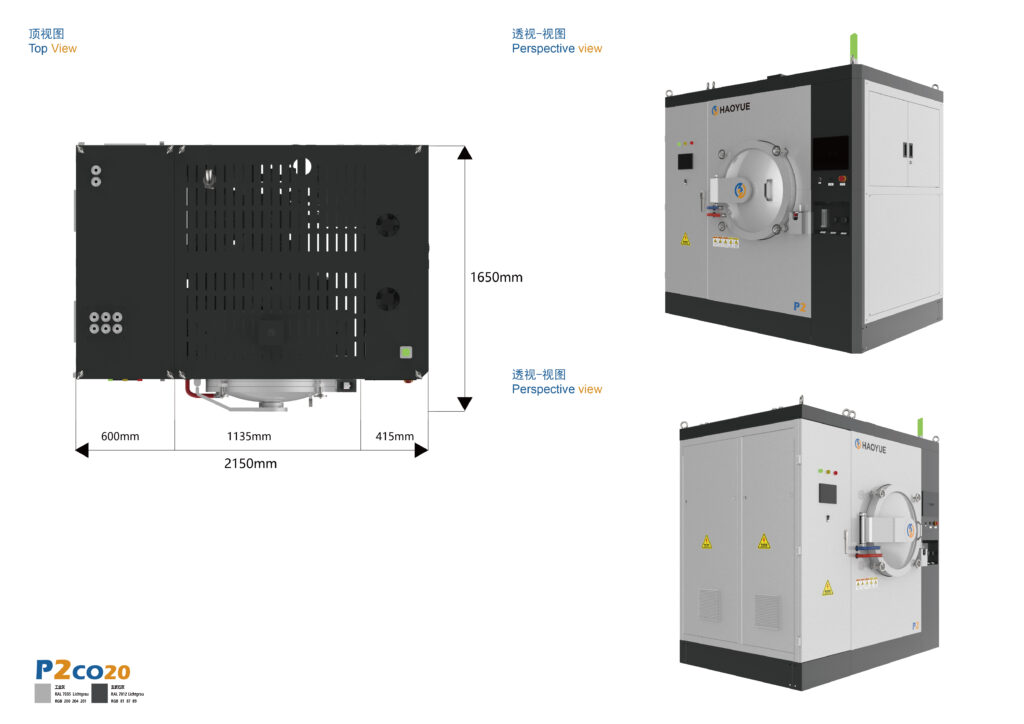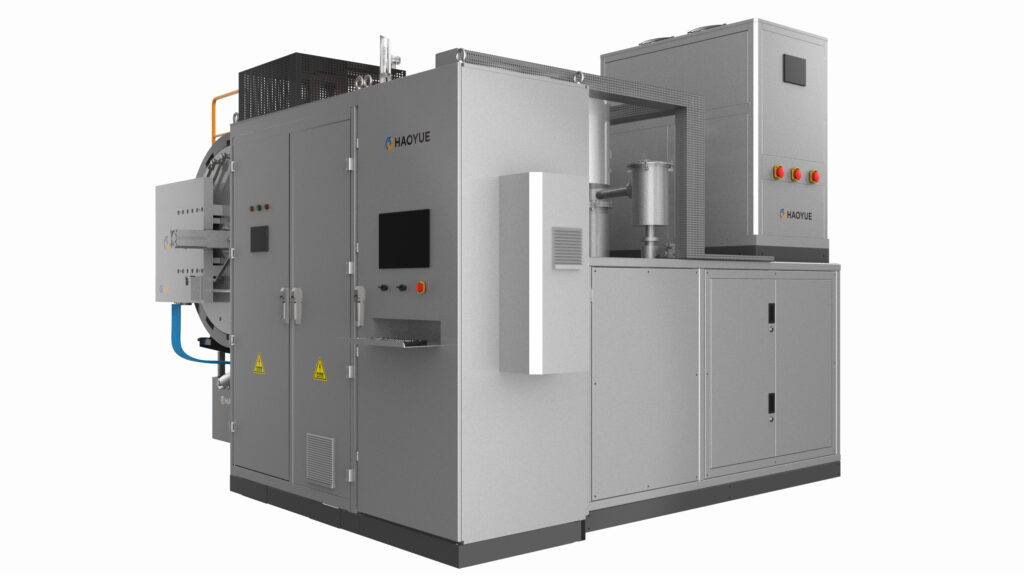






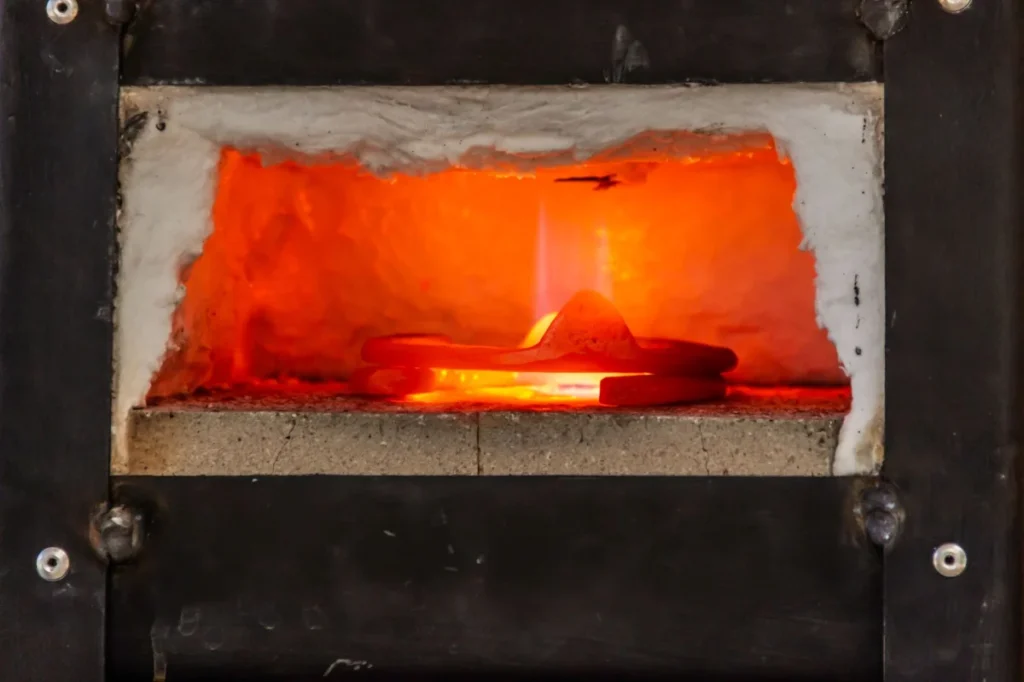
In the rapidly evolving landscape of advanced metallurgy and high-performance ceramics, selecting the optimal thermal processing technology is paramount to achieving superior material properties. For engineers and procurement specialists, partnering with a leading fabricant de fours sous vide is not just about purchasing equipment; it is about mastering precise thermal dynamics. Modern manufacturing demands extreme purity, uniform temperature distribution, and precise atmosphere control—requirements that only vide avancé systems can deliver.
Understanding Advanced Consolidation: Key Technology Comparisons
When evaluating consolidation methods for advanced materials, understanding the nuances of SPS vs pressage à chaud is crucial. Spark Plasma Sintering (SPS) offers rapid heating rates and shorter cycle times compared to traditional hot pressing, making an experienced Fabricant de fours SPS ou un spécialiste fabricant de fours de pressage à chaud an invaluable asset for research and production. For component densification, comparing HIP vs frittage sous vide reveals that Hot Isostatic Pressing (HIP) excels in eliminating internal porosity under high pressure, whereas standard vacuum sintering is highly cost-effective for complex geometries. Choosing a qualified Fabricant de hanches ensures your high-stress components meet rigorous density standards.
Furthermore, analyzing Frittage sous vide versus frittage sous pression helps determine if overpressure gas is required to suppress thermal decomposition, often necessitating a high-performance four de frittage sous pression de gaz. For general heat treatment, the debate of four sous vide vs four à atmosphère contrôlée highlights that vacuum environments prevent oxidation and decarburization, offering unmatched surface finishes and dimensional stability.
Tailoring Thermal Processes to Advanced Materials
The core of modern material science lies in specialized thermal cycles. Achieving high-density technical ceramics requires precise control over the frittage du carbure de silicium et procédé de frittage de la zircone, as well as the demanding procédé de frittage de l'alumine used in electronic substrates and wear-resistant components. In the powder metallurgy sector, optimizing the frittage du carbure de tungstène et frittage du molybdène processes is vital for producing high-durability tooling and refractory parts. These materials rely heavily on a highly controlled procédé de frittage sous vide to prevent carbon loss and contamination.
For metallic components, implementing a precise procédé de recuit sous vide or a rigorous procédé de durcissement sous vide ensures optimal mechanical properties, particularly during critical traitement thermique de l'alliage de titane cycles where gas contamination can cause severe hydrogen embrittlement or alpha-case formation.
Solutions thermiques spécifiques à l'industrie
Different industries demand tailor-made thermal solutions designed for their unique regulatory and material requirements:
- Aérospatial: Where component failure is not an option, utilizing a certified four sous vide aérospatial et un four de traitement thermique aérospatial is mandatory to meet stringent AMS2750 specifications.
- Médical et dentaire : In medical technology, a specialized four de frittage pour implants médicaux ou une haute précision four sous vide pour implants dentaires is required to process biocompatible titanium and zirconia structures.
- Énergie et outillage : The energy sector relies on a dedicated four de frittage de matériaux de batterie to synthesize advanced anode and cathode powders, while the machining industry utilizes a robust four de frittage d'outils en carbure pour produire des plaquettes de coupe à haute durabilité.
- Microelectronics: In the microelectronics sector, a specialized four sous vide pour semi-conducteurs ensures contamination-free wafer processing, often integrated with a four à hydrogène sous vide for reducing oxides at high temperatures.
Selecting the Right Equipment and Manufacturing Partner
For specialized joining, choosing brasage sous vide versus brasage conventionnel offers superior joint strength and cleanliness without flux residues, requiring collaboration with an expert fabricant de fours de brasage sous vide to design custom thermal profiles for a flawless procédé de brasage sous vide. Additionally, selecting the right heating chamber construction is vital; comparing a four à graphite contre four à molybdène depends on the specific temperature and contamination tolerances of your process, as molybdenum elements are preferred for ultra-clean semiconductor and medical applications.
Ultimately, whether you are sourcing from a specialized fabricant de fours de traitement thermique sous vide ou un complet fabricant de fours de frittage sous vide, understanding these technical variables ensures your capital investment yields maximum efficiency, repeatability, and product quality.