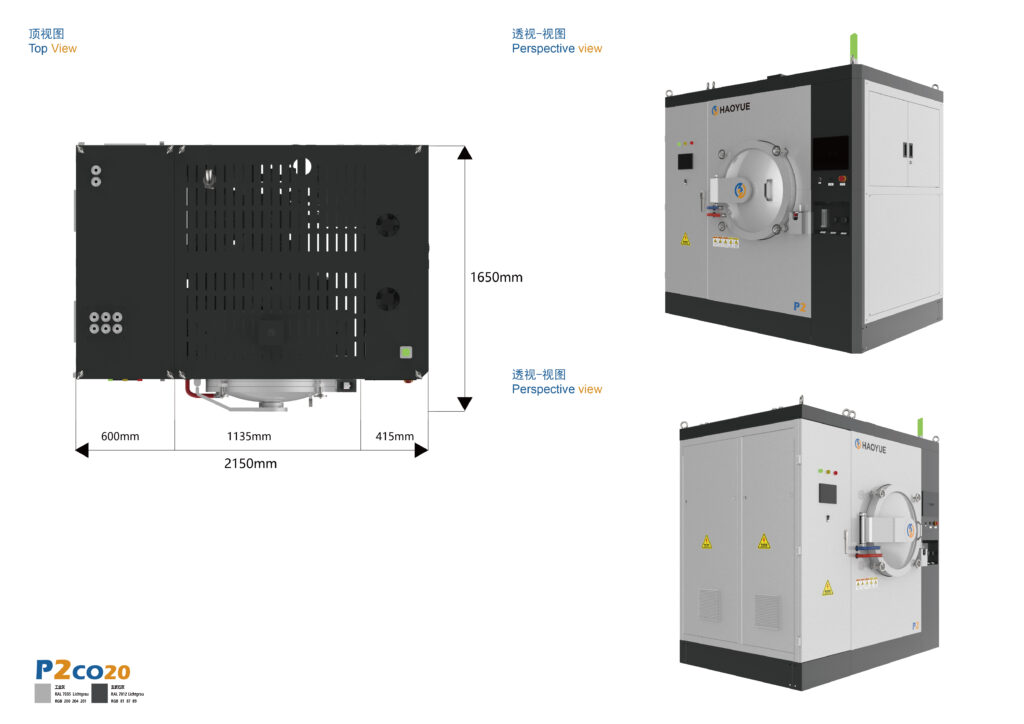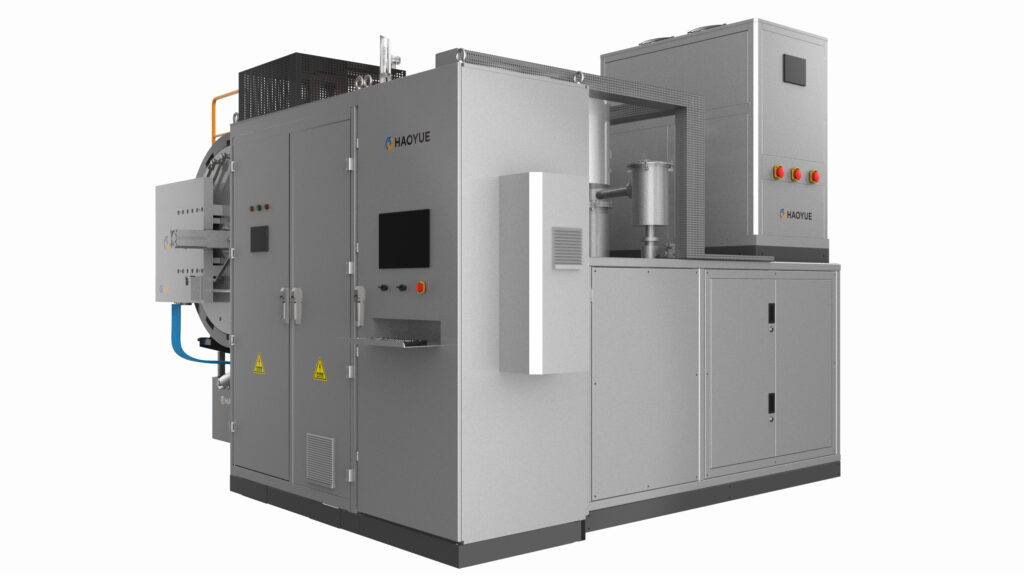





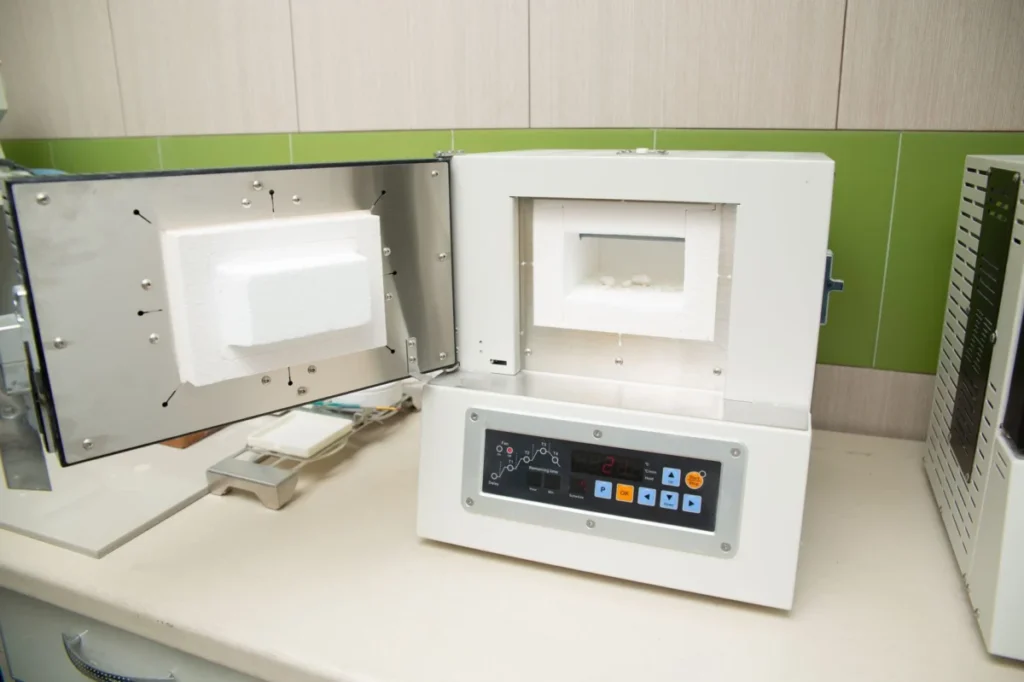
Dans la fabrication industrielle moderne, l'obtention de propriétés de matériaux précises nécessite des procédés avancés. traitement thermique solutions. For engineers and procurement specialists, selecting the right equipment begins with choosing an experienced fabricant de fours sous vide ou un spécialiste fabricant de fours de frittage sous vide. When evaluating traitement thermique setups, the first critical comparison often lies in choosing a four sous vide vs four à atmosphère contrôlée. While atmosphere furnaces introduce specific gases to protect parts, vacuum systems completely eliminate atmospheric contaminants, providing an ultra-clean environment essential for high-performance metallurgy, advanced ceramics, and cleanroom-compatible applications.
Technologies de frittage avancées et optimisation des matériaux
Sintering is a foundational process for producing dense, high-strength components from powder compacts. Depending on the material, the procédé de frittage sous vide must be tailored precisely. For instance, structural ceramics require specialized profiles, such as those used in frittage du carbure de silicium, le procédé de frittage de la zircone, et le procédé de frittage de l'alumine. For refractory metals and hardmetals, precise thermal profiles are essential for frittage du carbure de tungstène et à haute température frittage du molybdène. Achieving theoretical density in these materials often involves advanced compaction technologies.
When selecting equipment, buyers often evaluate competing technologies like SPS vs pressage à chaud. Spark Plasma Sintering (SPS) offers rapid heating rates and shorter cycle times, prompting many to consult an expert Fabricant de fours SPS. Conversely, traditional hot pressing remains a robust choice for large-scale, uniform components, making a partnership with a reliable fabricant de fours de pressage à chaud highly valuable. For post-processing and eliminating residual porosity, engineers frequently compare frittage HIP vs frittage sous vide. While hot isostatic pressing (HIP) from a reputable Fabricant de hanches applies multi-directional gas pressure to eliminate internal voids, a standard vacuum furnace relies on thermal consolidation alone. Similarly, differentiating between Frittage sous vide versus frittage sous pression is crucial when selecting a four de frittage sous pression de gaz, which combines vacuum heating with overpressure gas to suppress thermal decomposition in advanced silicon nitrides and ceramics.
Precision Heat Treatment and High-Vacuum Brazing
Beyond sintering, precise thermal cycles are necessary to alter the physical and chemical properties of metals. Working with a specialized fabricant de fours de traitement thermique sous vide allows facilities to implement exact heating and quenching profiles. For example, the procédé de recuit sous vide restores ductility and relieves internal stresses in cold-worked metals, while the procédé de durcissement sous vide dramatically improves wear resistance and tensile strength without surface oxidation. These processes are critical for advanced metallurgy, including high-precision traitement thermique de l'alliage de titane.
For joining assembly components, partnering with a qualified fabricant de fours de brasage sous vide is essential. The clean environment of a vacuum furnace enables the procédé de brasage sous vide to join dissimilar metals with exceptionally strong, leak-proof joints. When comparing brasage sous vide versus brasage conventionnel, vacuum systems eliminate the need for corrosive fluxes, preventing post-braze cleaning steps and reducing joint contamination. For specialized applications requiring reducing atmospheres, a controlled-atmosphere four à hydrogène sous vide is used to clean oxide layers from metal surfaces during thermal processing. Additionally, in the microelectronics sector, a high-purity four sous vide pour semi-conducteurs is vital for wafer processing, annealing, and thin-film crystallization under strict contamination controls.
Industry-Specific Thermal Solutions and Equipment Selection
Different industrial sectors demand highly customized thermal processing equipment. In the aerospace sector, safety and component integrity are paramount, relying on an four sous vide aérospatial et un certifié four de traitement thermique aérospatial to meet strict Nadcap standards. In the medical sector, bio-compatible materials require specialized thermal profiles; dental laboratories utilize a high-precision four sous vide pour implants dentaires, while orthopedic manufacturers rely on a larger four de frittage pour implants médicaux to process titanium and cobalt-chromium implants. Additionally, the green energy sector utilizes a specialized four de frittage de matériaux de batterie to synthesize high-purity cathode and anode powders, while tool manufacturers require a heavy-duty four de frittage d'outils en carbure pour produire des plaquettes de coupe durables.
When configuring these advanced systems, choosing the correct heating chamber materials is a critical engineering decision. The debate of a four à graphite contre four à molybdène centers on temperature requirements and contamination sensitivity. Graphite hot zones offer excellent thermal uniformity and cost-efficiency at extreme temperatures, but can cause carbon contamination in certain alloys. Molybdenum hot zones, while more expensive, provide an ultra-clean, metal-sealed environment ideal for medical, aerospace, and semiconductor applications where carbon pickup is strictly prohibited.
Conclusion
Selecting the ideal thermal processing technology requires a deep understanding of material requirements, throughput goals, and industry standards. Whether you are optimizing a complex sintering cycle or selecting a highly specialized furnace for aerospace or medical applications, partnering with an industry-leading manufacturer ensures your equipment delivers the precise control, reliability, and thermal uniformity required for modern manufacturing excellence.